- Serving Boston and the Greater Boston Area

- Home
- Services
- Garden Design Services
- Landscape Design
- Urban Garden Design
- Rooftop Garden Installation
- Roof Deck Planting
- Container Gardening Services
- Seasonal Container Planting
- Window Boxes
- Fine Gardening
- Garden Maintenance
- Planting Maintenance
- Flower & Plant Installation
- Drip Irrigation Installation
- Landscape Lighting
- Service Areas
Charlestown, MA
- Garden Services in Charlestown, MA
- Garden Design in Charlestown, MA
- Landscape Design in Charlestown, MA
- Urban Garden Design in Charlestown, MA
- Rooftop Garden Installation in Charlestown, MA
- Roof Deck Planting in Charlestown, MA
- Container Gardening in Charlestown, MA
- Seasonal Container Planting in Charlestown, MA
- Flower & Plant Installation in Charlestown, MA
- Window Boxes in Charlestown, MA
- Fine Gardening in Charlestown, MA
- Garden Maintenance in Charlestown, MA
- Planting & Maintenance in Charlestown, MA
- Drip Irrigation Installation in Charlestown, MA
- Landscape Lighting in Charlestown, MA
North End, MA
- Garden Services in north-end, MA
- Garden Design in north-end, MA
- Landscape Design in north-end, MA
- Urban Garden Design in north-end, MA
- Rooftop Garden Installation in north-end, MA
- Roof Deck Planting in north-end, MA
- Container Gardening in north-end, MA
- Seasonal Container Planting in north-end, MA
- Flower & Plant Installation in north-end, MA
- Window Boxes in north-end, MA
- Fine Gardening in north-end, MA
- Garden Maintenance in north-end, MA
- Planting & Maintenance in north-end, MA
- Drip Irrigation Installation in north-end, MA
- Landscape Lighting in north-end, MA
Downtown Boston, MA
- Garden Services in downtown boston, MA
- Garden Design in downtown boston, MA
- Landscape Design in downtown boston, MA
- Urban Garden Design in downtown boston, MA
- Rooftop Garden Installation in downtown boston, MA
- Roof Deck Planting in downtown boston, MA
- Container Gardening in downtown boston, MA
- Seasonal Container Planting in downtown boston, MA
- Flower & Plant Installation in downtown boston, MA
- Window Boxes in downtown boston, MA
- Fine Gardening in downtown boston, MA
- Garden Maintenance in downtown boston, MA
- Planting & Maintenance in downtown boston, MA
- Drip Irrigation Installation in downtown boston, MA
- Landscape Lighting in downtown boston, MA
Beacon Hill, MA
- Garden Services in beacon hill, MA
- Garden Design in beacon hill, MA
- Landscape Design in beacon hill, MA
- Urban Garden Design in beacon hill, MA
- Rooftop Garden Installation in beacon hill, MA
- Roof Deck Planting in beacon hill, MA
- Container Gardening in beacon hill, MA
- Seasonal Container Planting in beacon hill, MA
- Flower & Plant Installation in beacon hill, MA
- Window Boxes in beacon hill, MA
- Fine Gardening in beacon hill, MA
- Garden Maintenance in beacon hill, MA
- Planting & Maintenance in beacon hill, MA
- Drip Irrigation Installation in beacon hill, MA
- Landscape Lighting in beacon hill, MA
Boston, MA
- Garden Services in boston, MA
- Garden Design in boston, MA
- Landscape Design in boston, MA
- Urban Garden Design in boston, MA
- Rooftop Garden Installation in boston, MA
- Roof Deck Planting in boston, MA
- Container Gardening in boston, MA
- Seasonal Container Planting in boston, MA
- Flower & Plant Installation in boston, MA
- Window Boxes in boston, MA
- Fine Gardening in boston, MA
- Garden Maintenance in boston, MA
- Planting & Maintenance in boston, MA
- Drip Irrigation Installation in boston, MA
- Landscape Lighting in boston, MA
seaport, MA
- Garden Services in seaport, MA
- Garden Design in seaport, MA
- Landscape Design in seaport, MA
- Urban Garden Design in seaport, MA
- Rooftop Garden Installation in seaport, MA
- Roof Deck Planting in seaport, MA
- Container Gardening in seaport, MA
- Seasonal Container Planting in seaport, MA
- Flower & Plant Installation in seaport, MA
- Window Boxes in seaport, MA
- Fine Gardening in seaport, MA
- Garden Maintenance in seaport, MA
- Planting & Maintenance in seaport, MA
- Drip Irrigation Installation in seaport, MA
- Landscape Lighting in seaport, MA
back bay, MA
- Garden Services in back bay, MA
- Garden Design in back bay, MA
- Landscape Design in back bay, MA
- Urban Garden Design in back bay, MA
- Rooftop Garden Installation in back bay, MA
- Roof Deck Planting in back bay, MA
- Container Gardening in back bay, MA
- Seasonal Container Planting in back bay, MA
- Flower & Plant Installation in back bay, MA
- Window Boxes in back bay, MA
- Fine Gardening in back bay, MA
- Garden Maintenance in back bay, MA
- Planting & Maintenance in back bay, MA
- Drip Irrigation Installation in back bay, MA
- Landscape Lighting in back bay, MA
cambridge, MA
- Garden Services in cambridge, MA
- Garden Design in cambridge, MA
- Landscape Design in cambridge, MA
- Urban Garden Design in cambridge, MA
- Rooftop Garden Installation in cambridge, MA
- Roof Deck Planting in cambridge, MA
- Container Gardening in cambridge, MA
- Seasonal Container Planting in cambridge, MA
- Flower & Plant Installation in cambridge, MA
- Window Boxes in cambridge, MA
- Fine Gardening in cambridge, MA
- Garden Maintenance in cambridge, MA
- Planting & Maintenance in cambridge, MA
- Drip Irrigation Installation in cambridge, MA
- Landscape Lighting in cambridge, MA
south-end, MA
- Garden Services in south-end, MA
- Garden Design in south-end, MA
- Landscape Design in south-end, MA
- Urban Garden Design in south-end, MA
- Rooftop Garden Installation in south-end, MA
- Roof Deck Planting in south-end, MA
- Container Gardening in south-end, MA
- Seasonal Container Planting in south-end, MA
- Flower & Plant Installation in south-end, MA
- Window Boxes in south-end, MA
- Fine Gardening in south-end, MA
- Garden Maintenance in south-end, MA
- Planting & Maintenance in south-end, MA
- Drip Irrigation Installation in south-end, MA
- Landscape Lighting in south-end, MA
brookline, MA
- Garden Services in brookline, MA
- Garden Design in brookline, MA
- Landscape Design in brookline, MA
- Urban Garden Design in brookline, MA
- Rooftop Garden Installation in brookline, MA
- Roof Deck Planting in brookline, MA
- Container Gardening in brookline, MA
- Seasonal Container Planting in brookline, MA
- Flower & Plant Installation in brookline, MA
- Window Boxes in brookline, MA
- Fine Gardening in brookline, MA
- Garden Maintenance in brookline, MA
- Planting & Maintenance in brookline, MA
- Drip Irrigation Installation in brookline, MA
- Landscape Lighting in brookline, MA
winchester, MA
- Garden Services in winchester, MA
- Garden Design in winchester, MA
- Landscape Design in winchester, MA
- Urban Garden Design in winchester, MA
- Rooftop Garden Installation in winchester, MA
- Roof Deck Planting in winchester, MA
- Container Gardening in winchester, MA
- Seasonal Container Planting in winchester, MA
- Flower & Plant Installation in winchester, MA
- Window Boxes in winchester, MA
- Fine Gardening in winchester, MA
- Garden Maintenance in winchester, MA
- Planting & Maintenance in winchester, MA
- Drip Irrigation Installation in winchester, MA
- Landscape Lighting in winchester, MA
newton, MA
- Garden Services in newton, MA
- Garden Design in newton, MA
- Landscape Design in newton, MA
- Urban Garden Design in newton, MA
- Rooftop Garden Installation in newton, MA
- Roof Deck Planting in newton, MA
- Container Gardening in newton, MA
- Seasonal Container Planting in newton, MA
- Flower & Plant Installation in newton, MA
- Window Boxes in newton, MA
- Fine Gardening in newton, MA
- Garden Maintenance in newton, MA
- Planting & Maintenance in newton, MA
- Drip Irrigation Installation in newton, MA
- Landscape Lighting in newton, MA
lexington, MA
- Garden Services in lexington, MA
- Garden Design in lexington, MA
- Landscape Design in lexington, MA
- Urban Garden Design in lexington, MA
- Rooftop Garden Installation in lexington, MA
- Roof Deck Planting in lexington, MA
- Container Gardening in lexington, MA
- Seasonal Container Planting newton, MA
- Flower & Plant Installation in lexington, MA
- Window Boxes in lexington, MA
- Fine Gardening in lexington, MA
- Garden Maintenance in lexington, MA
- Planting & Maintenance in lexington, MA
- Drip Irrigation Installation in lexington, MA
- Landscape Lighting in lexington, MA
weston, MA
- Garden Services in weston, MA
- Garden Design in weston, MA
- Landscape Design in weston, MA
- Urban Garden Design in weston, MA
- Rooftop Garden Installation in weston, MA
- Roof Deck Planting in weston, MA
- Container Gardening in weston, MA
- Seasonal Container Planting weston, MA
- Flower & Plant Installation in weston, MA
- Window Boxes in weston, MA
- Fine Gardening in weston, MA
- Garden Maintenance in weston, MA
- Planting & Maintenance in weston, MA
- Drip Irrigation Installation in weston, MA
- Landscape Lighting in weston, MA
wellesley, MA
- Garden Services in wellesley, MA
- Garden Design in wellesley, MA
- Landscape Design in wellesley, MA
- Urban Garden Design in wellesley, MA
- Rooftop Garden Installation in wellesley, MA
- Roof Deck Planting in wellesley, MA
- Container Gardening in wellesley, MA
- Seasonal Container Planting wellesley, MA
- Flower & Plant Installation in wellesley, MA
- Window Boxes in wellesley, MA
- Fine Gardening in wellesley, MA
- Garden Maintenance in wellesley, MA
- Planting & Maintenance in wellesley, MA
- Drip Irrigation Installation in wellesley, MA
- Landscape Lighting in wellesley, MA
- Portfolio
- About us
- Blog
- Contact
- Flower Delivery
- Home
- Services
- Garden Design Services
- Landscape Design
- Urban Garden Design
- Rooftop Garden Installation
- Roof Deck Planting
- Container Gardening Services
- Seasonal Container Planting
- Window Boxes
- Fine Gardening
- Garden Maintenance
- Planting Maintenance
- Flower & Plant Installation
- Drip Irrigation Installation
- Landscape Lighting
- Service Areas
Charlestown, MA
- Garden Services in Charlestown, MA
- Garden Design in Charlestown, MA
- Landscape Design in Charlestown, MA
- Urban Garden Design in Charlestown, MA
- Rooftop Garden Installation in Charlestown, MA
- Roof Deck Planting in Charlestown, MA
- Container Gardening in Charlestown, MA
- Seasonal Container Planting in Charlestown, MA
- Flower & Plant Installation in Charlestown, MA
- Window Boxes in Charlestown, MA
- Fine Gardening in Charlestown, MA
- Garden Maintenance in Charlestown, MA
- Planting & Maintenance in Charlestown, MA
- Drip Irrigation Installation in Charlestown, MA
- Landscape Lighting in Charlestown, MA
North End, MA
- Garden Services in north-end, MA
- Garden Design in north-end, MA
- Landscape Design in north-end, MA
- Urban Garden Design in north-end, MA
- Rooftop Garden Installation in north-end, MA
- Roof Deck Planting in north-end, MA
- Container Gardening in north-end, MA
- Seasonal Container Planting in north-end, MA
- Flower & Plant Installation in north-end, MA
- Window Boxes in north-end, MA
- Fine Gardening in north-end, MA
- Garden Maintenance in north-end, MA
- Planting & Maintenance in north-end, MA
- Drip Irrigation Installation in north-end, MA
- Landscape Lighting in north-end, MA
Downtown Boston, MA
- Garden Services in downtown boston, MA
- Garden Design in downtown boston, MA
- Landscape Design in downtown boston, MA
- Urban Garden Design in downtown boston, MA
- Rooftop Garden Installation in downtown boston, MA
- Roof Deck Planting in downtown boston, MA
- Container Gardening in downtown boston, MA
- Seasonal Container Planting in downtown boston, MA
- Flower & Plant Installation in downtown boston, MA
- Window Boxes in downtown boston, MA
- Fine Gardening in downtown boston, MA
- Garden Maintenance in downtown boston, MA
- Planting & Maintenance in downtown boston, MA
- Drip Irrigation Installation in downtown boston, MA
- Landscape Lighting in downtown boston, MA
Beacon Hill, MA
- Garden Services in beacon hill, MA
- Garden Design in beacon hill, MA
- Landscape Design in beacon hill, MA
- Urban Garden Design in beacon hill, MA
- Rooftop Garden Installation in beacon hill, MA
- Roof Deck Planting in beacon hill, MA
- Container Gardening in beacon hill, MA
- Seasonal Container Planting in beacon hill, MA
- Flower & Plant Installation in beacon hill, MA
- Window Boxes in beacon hill, MA
- Fine Gardening in beacon hill, MA
- Garden Maintenance in beacon hill, MA
- Planting & Maintenance in beacon hill, MA
- Drip Irrigation Installation in beacon hill, MA
- Landscape Lighting in beacon hill, MA
Boston, MA
- Garden Services in boston, MA
- Garden Design in boston, MA
- Landscape Design in boston, MA
- Urban Garden Design in boston, MA
- Rooftop Garden Installation in boston, MA
- Roof Deck Planting in boston, MA
- Container Gardening in boston, MA
- Seasonal Container Planting in boston, MA
- Flower & Plant Installation in boston, MA
- Window Boxes in boston, MA
- Fine Gardening in boston, MA
- Garden Maintenance in boston, MA
- Planting & Maintenance in boston, MA
- Drip Irrigation Installation in boston, MA
- Landscape Lighting in boston, MA
seaport, MA
- Garden Services in seaport, MA
- Garden Design in seaport, MA
- Landscape Design in seaport, MA
- Urban Garden Design in seaport, MA
- Rooftop Garden Installation in seaport, MA
- Roof Deck Planting in seaport, MA
- Container Gardening in seaport, MA
- Seasonal Container Planting in seaport, MA
- Flower & Plant Installation in seaport, MA
- Window Boxes in seaport, MA
- Fine Gardening in seaport, MA
- Garden Maintenance in seaport, MA
- Planting & Maintenance in seaport, MA
- Drip Irrigation Installation in seaport, MA
- Landscape Lighting in seaport, MA
back bay, MA
- Garden Services in back bay, MA
- Garden Design in back bay, MA
- Landscape Design in back bay, MA
- Urban Garden Design in back bay, MA
- Rooftop Garden Installation in back bay, MA
- Roof Deck Planting in back bay, MA
- Container Gardening in back bay, MA
- Seasonal Container Planting in back bay, MA
- Flower & Plant Installation in back bay, MA
- Window Boxes in back bay, MA
- Fine Gardening in back bay, MA
- Garden Maintenance in back bay, MA
- Planting & Maintenance in back bay, MA
- Drip Irrigation Installation in back bay, MA
- Landscape Lighting in back bay, MA
cambridge, MA
- Garden Services in cambridge, MA
- Garden Design in cambridge, MA
- Landscape Design in cambridge, MA
- Urban Garden Design in cambridge, MA
- Rooftop Garden Installation in cambridge, MA
- Roof Deck Planting in cambridge, MA
- Container Gardening in cambridge, MA
- Seasonal Container Planting in cambridge, MA
- Flower & Plant Installation in cambridge, MA
- Window Boxes in cambridge, MA
- Fine Gardening in cambridge, MA
- Garden Maintenance in cambridge, MA
- Planting & Maintenance in cambridge, MA
- Drip Irrigation Installation in cambridge, MA
- Landscape Lighting in cambridge, MA
south-end, MA
- Garden Services in south-end, MA
- Garden Design in south-end, MA
- Landscape Design in south-end, MA
- Urban Garden Design in south-end, MA
- Rooftop Garden Installation in south-end, MA
- Roof Deck Planting in south-end, MA
- Container Gardening in south-end, MA
- Seasonal Container Planting in south-end, MA
- Flower & Plant Installation in south-end, MA
- Window Boxes in south-end, MA
- Fine Gardening in south-end, MA
- Garden Maintenance in south-end, MA
- Planting & Maintenance in south-end, MA
- Drip Irrigation Installation in south-end, MA
- Landscape Lighting in south-end, MA
brookline, MA
- Garden Services in brookline, MA
- Garden Design in brookline, MA
- Landscape Design in brookline, MA
- Urban Garden Design in brookline, MA
- Rooftop Garden Installation in brookline, MA
- Roof Deck Planting in brookline, MA
- Container Gardening in brookline, MA
- Seasonal Container Planting in brookline, MA
- Flower & Plant Installation in brookline, MA
- Window Boxes in brookline, MA
- Fine Gardening in brookline, MA
- Garden Maintenance in brookline, MA
- Planting & Maintenance in brookline, MA
- Drip Irrigation Installation in brookline, MA
- Landscape Lighting in brookline, MA
winchester, MA
- Garden Services in winchester, MA
- Garden Design in winchester, MA
- Landscape Design in winchester, MA
- Urban Garden Design in winchester, MA
- Rooftop Garden Installation in winchester, MA
- Roof Deck Planting in winchester, MA
- Container Gardening in winchester, MA
- Seasonal Container Planting in winchester, MA
- Flower & Plant Installation in winchester, MA
- Window Boxes in winchester, MA
- Fine Gardening in winchester, MA
- Garden Maintenance in winchester, MA
- Planting & Maintenance in winchester, MA
- Drip Irrigation Installation in winchester, MA
- Landscape Lighting in winchester, MA
newton, MA
- Garden Services in newton, MA
- Garden Design in newton, MA
- Landscape Design in newton, MA
- Urban Garden Design in newton, MA
- Rooftop Garden Installation in newton, MA
- Roof Deck Planting in newton, MA
- Container Gardening in newton, MA
- Seasonal Container Planting in newton, MA
- Flower & Plant Installation in newton, MA
- Window Boxes in newton, MA
- Fine Gardening in newton, MA
- Garden Maintenance in newton, MA
- Planting & Maintenance in newton, MA
- Drip Irrigation Installation in newton, MA
- Landscape Lighting in newton, MA
lexington, MA
- Garden Services in lexington, MA
- Garden Design in lexington, MA
- Landscape Design in lexington, MA
- Urban Garden Design in lexington, MA
- Rooftop Garden Installation in lexington, MA
- Roof Deck Planting in lexington, MA
- Container Gardening in lexington, MA
- Seasonal Container Planting newton, MA
- Flower & Plant Installation in lexington, MA
- Window Boxes in lexington, MA
- Fine Gardening in lexington, MA
- Garden Maintenance in lexington, MA
- Planting & Maintenance in lexington, MA
- Drip Irrigation Installation in lexington, MA
- Landscape Lighting in lexington, MA
weston, MA
- Garden Services in weston, MA
- Garden Design in weston, MA
- Landscape Design in weston, MA
- Urban Garden Design in weston, MA
- Rooftop Garden Installation in weston, MA
- Roof Deck Planting in weston, MA
- Container Gardening in weston, MA
- Seasonal Container Planting weston, MA
- Flower & Plant Installation in weston, MA
- Window Boxes in weston, MA
- Fine Gardening in weston, MA
- Garden Maintenance in weston, MA
- Planting & Maintenance in weston, MA
- Drip Irrigation Installation in weston, MA
- Landscape Lighting in weston, MA
wellesley, MA
- Garden Services in wellesley, MA
- Garden Design in wellesley, MA
- Landscape Design in wellesley, MA
- Urban Garden Design in wellesley, MA
- Rooftop Garden Installation in wellesley, MA
- Roof Deck Planting in wellesley, MA
- Container Gardening in wellesley, MA
- Seasonal Container Planting wellesley, MA
- Flower & Plant Installation in wellesley, MA
- Window Boxes in wellesley, MA
- Fine Gardening in wellesley, MA
- Garden Maintenance in wellesley, MA
- Planting & Maintenance in wellesley, MA
- Drip Irrigation Installation in wellesley, MA
- Landscape Lighting in wellesley, MA
- Portfolio
- About us
- Blog
- Contact
- Flower Delivery
Window Boxes in Charlestown, MA

What Window Boxes looks like in Charlestown
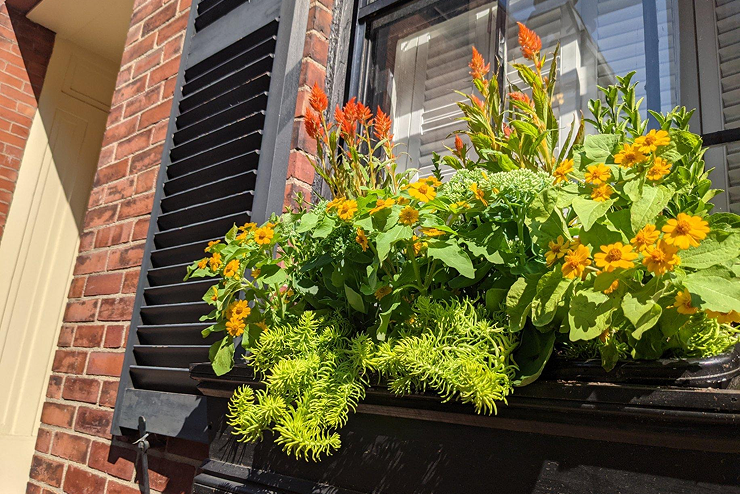
Most Charlestown window boxes sit on brick or granite-trimmed row houses, on narrow streets where a delivery truck blocks the lane and a ladder has nowhere to stand. The work begins with that reality. We measure each window opening on site, note the sill depth and the brick coursing, and plan the install around the street as it is: resident permit parking, tight sidewalks, and neighbors on both sides who will notice scaffolding within the hour.
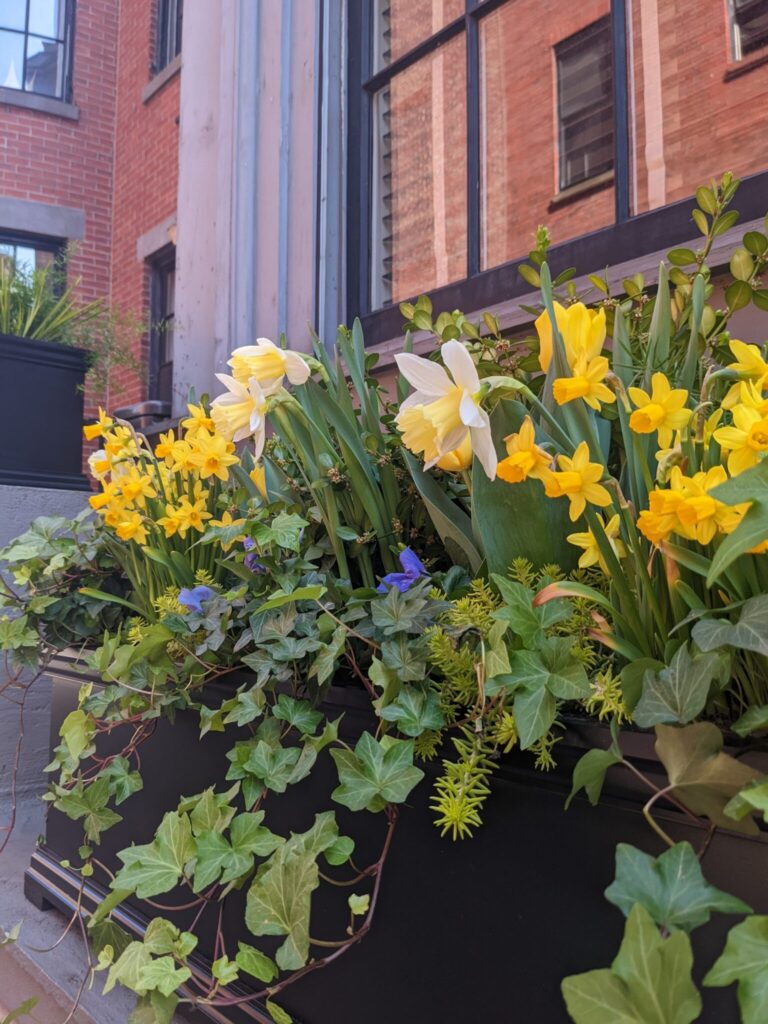
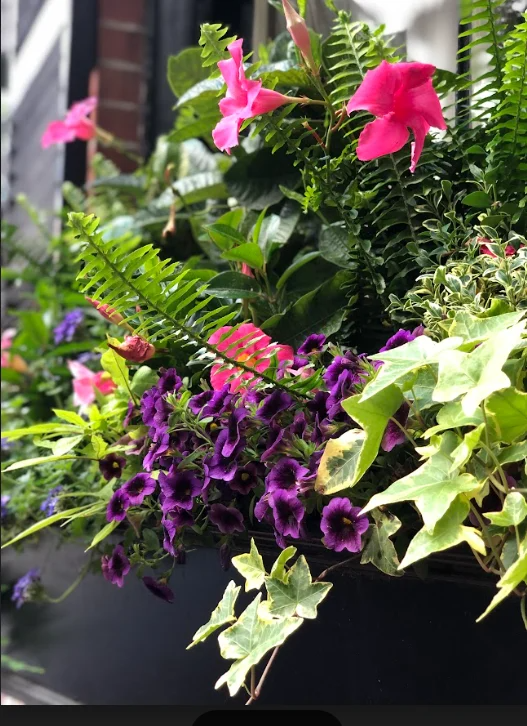
Light varies more than people expect. A south-facing parlor floor on a Monument Square side street can get six hours of hard sun reflected off masonry, while the same house’s rear elevation onto a shaded courtyard may get two. We plant to each face separately. Sun-facing boxes carry drought-tolerant structure such as sedum, dwarf grasses, trailing thyme and silver foliage that tolerates reflected heat. Courtyard-facing boxes take ferns, heuchera, ivy and shade-tolerant annuals, and they hold color where sun-loving plants would sulk.
Wind is the quiet failure point. A box that sits securely in Back Bay can rock loose on an exposed slope, and tall, top-heavy planting turns a gust into a lever. We keep profiles low and layered, choose stems that flex instead of snap, and mount every box to the building rather than resting it on a sill.
Soil is the other decision. Boxes on a south wall dry out fast, and salt in the air and on winter runoff builds up in the mix over time. We use a free-draining, lightweight medium with a reservoir liner, and we flush the boxes on a maintenance schedule so salt does not accumulate at the root zone. Where a box is out of easy reach, we fit a concealed drip line so watering does not depend on someone leaning out of a second-floor window.
The design itself stays quiet.
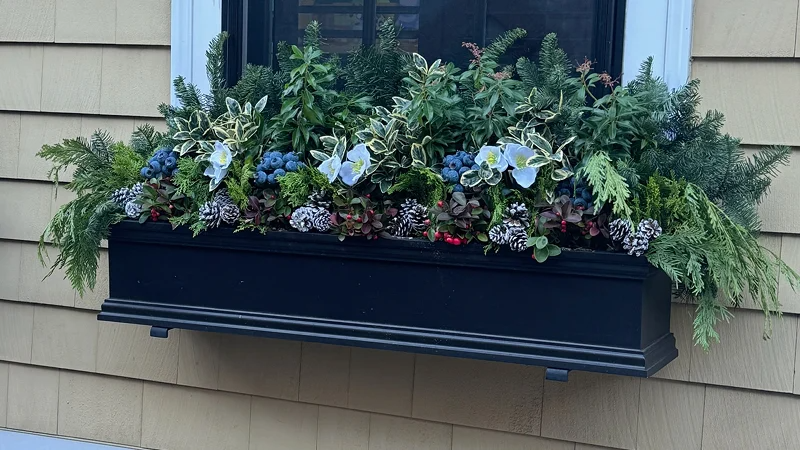
Charlestown’s streetscape rewards restraint: painted or dark-finished boxes in materials that suit the period, planting that reads as tended rather than showy, and seasonal changes at a pace the street will accept. If you want it noticed from the sidewalk, we plan it. If you want it to look as though it has always been there, we plan that instead.
What we account for here
Historic District review on street-facing elevations
Salt air and winter runoff
Access on narrow streets and steep slopes
Rear courtyards and shade
Recent Charlestown work
Other services we provide in Charlestown
Window boxes are one part of how we look after a Charlestown property. If the front of the house is only half the picture, our garden services in Charlestown are the place to start. For a courtyard that needs a plan, garden design and garden installation cover the drawings and the build, and courtyard garden design deals with the tight, walled spaces typical of the neighborhood. Once a garden is in, fine gardening and garden maintenance keep it in order through the seasons, with seasonal planting and spring and fall cleanups timed to the calendar.
For pots and planters at the doorstep, see container gardens. For roofs and upper levels, we handle roof deck planting and terrace planting. Watering that does not depend on anyone remembering is the job of drip irrigation, and low-voltage landscape lighting makes the whole planting readable after dark. If you are planning a larger reworking of a garden, garden renovation covers it.
Have the same idea for a property elsewhere in the city? See our window box work in the North End and in Downtown Boston, or read the Boston overview.
Start with a consultation
Call us at (617) 555-0134 or request a consultation. We visit Charlestown, 0.0 miles from our door at 5 Crescent St, so there is no travel charge for a first look. Within two business days of your call, we will confirm a time to view the windows, measure them and talk through your plan. After the visit, you will receive a written proposal covering the design, the review paperwork if your property needs it, the installation and the seasonal care.