- Serving Boston and the Greater Boston Area

- Home
- Services
- Garden Design Services
- Landscape Design
- Urban Garden Design
- Rooftop Garden Installation
- Roof Deck Planting
- Container Gardening Services
- Seasonal Container Planting
- Window Boxes
- Fine Gardening
- Garden Maintenance
- Planting Maintenance
- Flower & Plant Installation
- Drip Irrigation Installation
- Landscape Lighting
- Service Areas
Charlestown, MA
- Garden Services in Charlestown, MA
- Garden Design in Charlestown, MA
- Landscape Design in Charlestown, MA
- Urban Garden Design in Charlestown, MA
- Rooftop Garden Installation in Charlestown, MA
- Roof Deck Planting in Charlestown, MA
- Container Gardening in Charlestown, MA
- Seasonal Container Planting in Charlestown, MA
- Flower & Plant Installation in Charlestown, MA
- Window Boxes in Charlestown, MA
- Fine Gardening in Charlestown, MA
- Garden Maintenance in Charlestown, MA
- Planting & Maintenance in Charlestown, MA
- Drip Irrigation Installation in Charlestown, MA
- Landscape Lighting in Charlestown, MA
North End, MA
- Garden Services in north-end, MA
- Garden Design in north-end, MA
- Landscape Design in north-end, MA
- Urban Garden Design in north-end, MA
- Rooftop Garden Installation in north-end, MA
- Roof Deck Planting in north-end, MA
- Container Gardening in north-end, MA
- Seasonal Container Planting in north-end, MA
- Flower & Plant Installation in north-end, MA
- Window Boxes in north-end, MA
- Fine Gardening in north-end, MA
- Garden Maintenance in north-end, MA
- Planting & Maintenance in north-end, MA
- Drip Irrigation Installation in north-end, MA
- Landscape Lighting in north-end, MA
Downtown Boston, MA
- Garden Services in downtown boston, MA
- Garden Design in downtown boston, MA
- Landscape Design in downtown boston, MA
- Urban Garden Design in downtown boston, MA
- Rooftop Garden Installation in downtown boston, MA
- Roof Deck Planting in downtown boston, MA
- Container Gardening in downtown boston, MA
- Seasonal Container Planting in downtown boston, MA
- Flower & Plant Installation in downtown boston, MA
- Window Boxes in downtown boston, MA
- Fine Gardening in downtown boston, MA
- Garden Maintenance in downtown boston, MA
- Planting & Maintenance in downtown boston, MA
- Drip Irrigation Installation in downtown boston, MA
- Landscape Lighting in downtown boston, MA
Beacon Hill, MA
- Garden Services in beacon hill, MA
- Garden Design in beacon hill, MA
- Landscape Design in beacon hill, MA
- Urban Garden Design in beacon hill, MA
- Rooftop Garden Installation in beacon hill, MA
- Roof Deck Planting in beacon hill, MA
- Container Gardening in beacon hill, MA
- Seasonal Container Planting in beacon hill, MA
- Flower & Plant Installation in beacon hill, MA
- Window Boxes in beacon hill, MA
- Fine Gardening in beacon hill, MA
- Garden Maintenance in beacon hill, MA
- Planting & Maintenance in beacon hill, MA
- Drip Irrigation Installation in beacon hill, MA
- Landscape Lighting in beacon hill, MA
Boston, MA
- Garden Services in boston, MA
- Garden Design in boston, MA
- Landscape Design in boston, MA
- Urban Garden Design in boston, MA
- Rooftop Garden Installation in boston, MA
- Roof Deck Planting in boston, MA
- Container Gardening in boston, MA
- Seasonal Container Planting in boston, MA
- Flower & Plant Installation in boston, MA
- Window Boxes in boston, MA
- Fine Gardening in boston, MA
- Garden Maintenance in boston, MA
- Planting & Maintenance in boston, MA
- Drip Irrigation Installation in boston, MA
- Landscape Lighting in boston, MA
seaport, MA
- Garden Services in seaport, MA
- Garden Design in seaport, MA
- Landscape Design in seaport, MA
- Urban Garden Design in seaport, MA
- Rooftop Garden Installation in seaport, MA
- Roof Deck Planting in seaport, MA
- Container Gardening in seaport, MA
- Seasonal Container Planting in seaport, MA
- Flower & Plant Installation in seaport, MA
- Window Boxes in seaport, MA
- Fine Gardening in seaport, MA
- Garden Maintenance in seaport, MA
- Planting & Maintenance in seaport, MA
- Drip Irrigation Installation in seaport, MA
- Landscape Lighting in seaport, MA
back bay, MA
- Garden Services in back bay, MA
- Garden Design in back bay, MA
- Landscape Design in back bay, MA
- Urban Garden Design in back bay, MA
- Rooftop Garden Installation in back bay, MA
- Roof Deck Planting in back bay, MA
- Container Gardening in back bay, MA
- Seasonal Container Planting in back bay, MA
- Flower & Plant Installation in back bay, MA
- Window Boxes in back bay, MA
- Fine Gardening in back bay, MA
- Garden Maintenance in back bay, MA
- Planting & Maintenance in back bay, MA
- Drip Irrigation Installation in back bay, MA
- Landscape Lighting in back bay, MA
cambridge, MA
- Garden Services in cambridge, MA
- Garden Design in cambridge, MA
- Landscape Design in cambridge, MA
- Urban Garden Design in cambridge, MA
- Rooftop Garden Installation in cambridge, MA
- Roof Deck Planting in cambridge, MA
- Container Gardening in cambridge, MA
- Seasonal Container Planting in cambridge, MA
- Flower & Plant Installation in cambridge, MA
- Window Boxes in cambridge, MA
- Fine Gardening in cambridge, MA
- Garden Maintenance in cambridge, MA
- Planting & Maintenance in cambridge, MA
- Drip Irrigation Installation in cambridge, MA
- Landscape Lighting in cambridge, MA
south-end, MA
- Garden Services in south-end, MA
- Garden Design in south-end, MA
- Landscape Design in south-end, MA
- Urban Garden Design in south-end, MA
- Rooftop Garden Installation in south-end, MA
- Roof Deck Planting in south-end, MA
- Container Gardening in south-end, MA
- Seasonal Container Planting in south-end, MA
- Flower & Plant Installation in south-end, MA
- Window Boxes in south-end, MA
- Fine Gardening in south-end, MA
- Garden Maintenance in south-end, MA
- Planting & Maintenance in south-end, MA
- Drip Irrigation Installation in south-end, MA
- Landscape Lighting in south-end, MA
brookline, MA
- Garden Services in brookline, MA
- Garden Design in brookline, MA
- Landscape Design in brookline, MA
- Urban Garden Design in brookline, MA
- Rooftop Garden Installation in brookline, MA
- Roof Deck Planting in brookline, MA
- Container Gardening in brookline, MA
- Seasonal Container Planting in brookline, MA
- Flower & Plant Installation in brookline, MA
- Window Boxes in brookline, MA
- Fine Gardening in brookline, MA
- Garden Maintenance in brookline, MA
- Planting & Maintenance in brookline, MA
- Drip Irrigation Installation in brookline, MA
- Landscape Lighting in brookline, MA
winchester, MA
- Garden Services in winchester, MA
- Garden Design in winchester, MA
- Landscape Design in winchester, MA
- Urban Garden Design in winchester, MA
- Rooftop Garden Installation in winchester, MA
- Roof Deck Planting in winchester, MA
- Container Gardening in winchester, MA
- Seasonal Container Planting in winchester, MA
- Flower & Plant Installation in winchester, MA
- Window Boxes in winchester, MA
- Fine Gardening in winchester, MA
- Garden Maintenance in winchester, MA
- Planting & Maintenance in winchester, MA
- Drip Irrigation Installation in winchester, MA
- Landscape Lighting in winchester, MA
newton, MA
- Garden Services in newton, MA
- Garden Design in newton, MA
- Landscape Design in newton, MA
- Urban Garden Design in newton, MA
- Rooftop Garden Installation in newton, MA
- Roof Deck Planting in newton, MA
- Container Gardening in newton, MA
- Seasonal Container Planting in newton, MA
- Flower & Plant Installation in newton, MA
- Window Boxes in newton, MA
- Fine Gardening in newton, MA
- Garden Maintenance in newton, MA
- Planting & Maintenance in newton, MA
- Drip Irrigation Installation in newton, MA
- Landscape Lighting in newton, MA
lexington, MA
- Garden Services in lexington, MA
- Garden Design in lexington, MA
- Landscape Design in lexington, MA
- Urban Garden Design in lexington, MA
- Rooftop Garden Installation in lexington, MA
- Roof Deck Planting in lexington, MA
- Container Gardening in lexington, MA
- Seasonal Container Planting newton, MA
- Flower & Plant Installation in lexington, MA
- Window Boxes in lexington, MA
- Fine Gardening in lexington, MA
- Garden Maintenance in lexington, MA
- Planting & Maintenance in lexington, MA
- Drip Irrigation Installation in lexington, MA
- Landscape Lighting in lexington, MA
weston, MA
- Garden Services in weston, MA
- Garden Design in weston, MA
- Landscape Design in weston, MA
- Urban Garden Design in weston, MA
- Rooftop Garden Installation in weston, MA
- Roof Deck Planting in weston, MA
- Container Gardening in weston, MA
- Seasonal Container Planting weston, MA
- Flower & Plant Installation in weston, MA
- Window Boxes in weston, MA
- Fine Gardening in weston, MA
- Garden Maintenance in weston, MA
- Planting & Maintenance in weston, MA
- Drip Irrigation Installation in weston, MA
- Landscape Lighting in weston, MA
wellesley, MA
- Garden Services in wellesley, MA
- Garden Design in wellesley, MA
- Landscape Design in wellesley, MA
- Urban Garden Design in wellesley, MA
- Rooftop Garden Installation in wellesley, MA
- Roof Deck Planting in wellesley, MA
- Container Gardening in wellesley, MA
- Seasonal Container Planting wellesley, MA
- Flower & Plant Installation in wellesley, MA
- Window Boxes in wellesley, MA
- Fine Gardening in wellesley, MA
- Garden Maintenance in wellesley, MA
- Planting & Maintenance in wellesley, MA
- Drip Irrigation Installation in wellesley, MA
- Landscape Lighting in wellesley, MA
- Portfolio
- About us
- Blog
- Contact
- Flower Delivery
Fine Gardening in Boston, MA
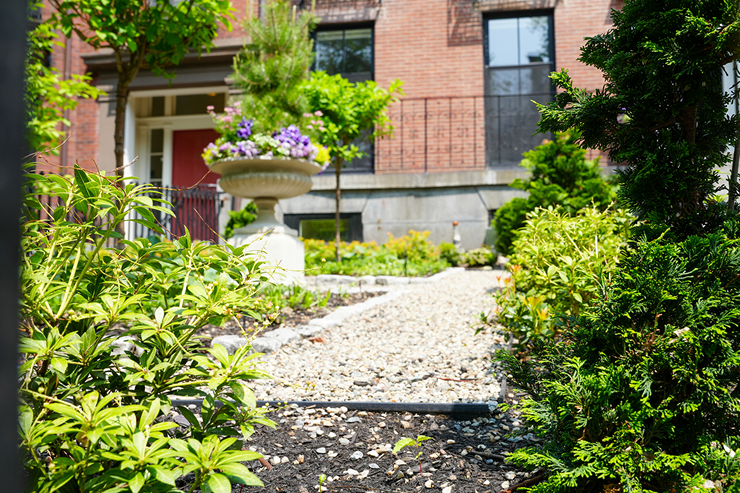
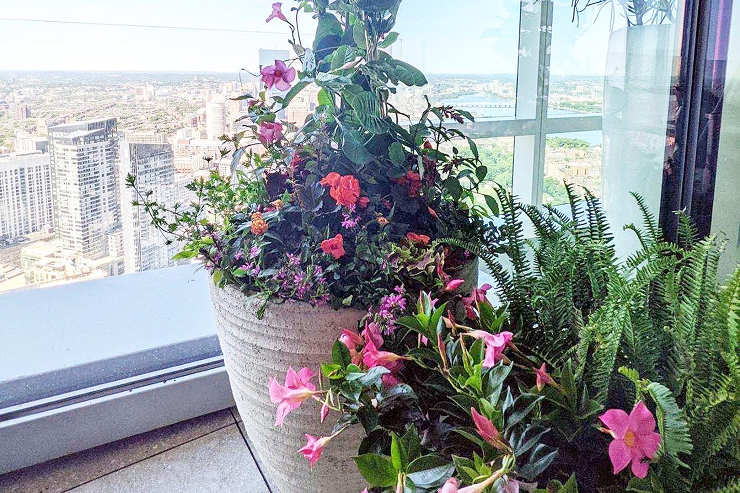
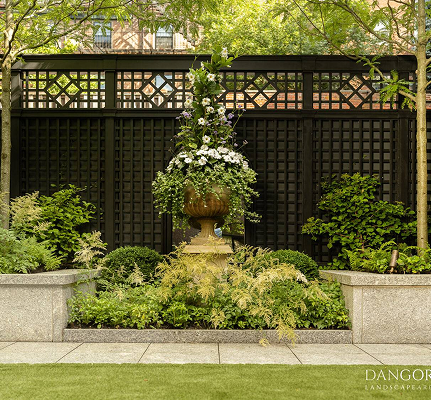
Your historic Boston property deserves garden care that respects its character while bringing vibrant life to every season. Our fine gardening services blend traditional horticultural knowledge with modern sustainable practices, creating outdoor spaces that complement the elegant architecture and intimate scale of this treasured Boston neighborhood. Gardens here face unique challenges, from limited sunlight on narrow streets to compact spaces demanding creative solutions. We specialize in fine gardening Boston, MA properties, understanding how to work with brick patios, wrought-iron fencing, and microclimates created by historic buildings. Whether maintaining a formal courtyard, cultivating a rooftop container garden, or restoring a hidden back garden, our approach combines artistry with practical expertise.

What's included
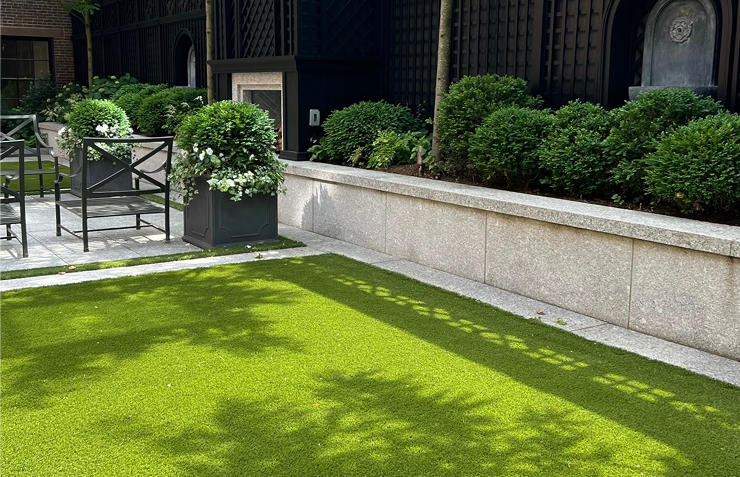
Seasonal Bed & Border Care
Pruning & Structural Maintenance
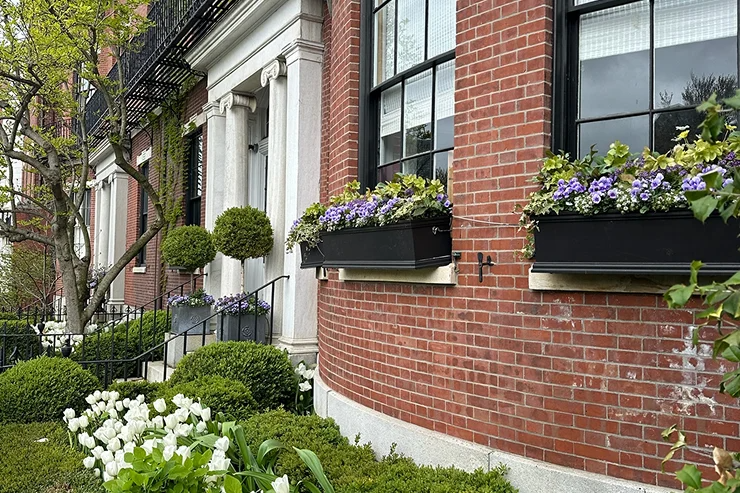
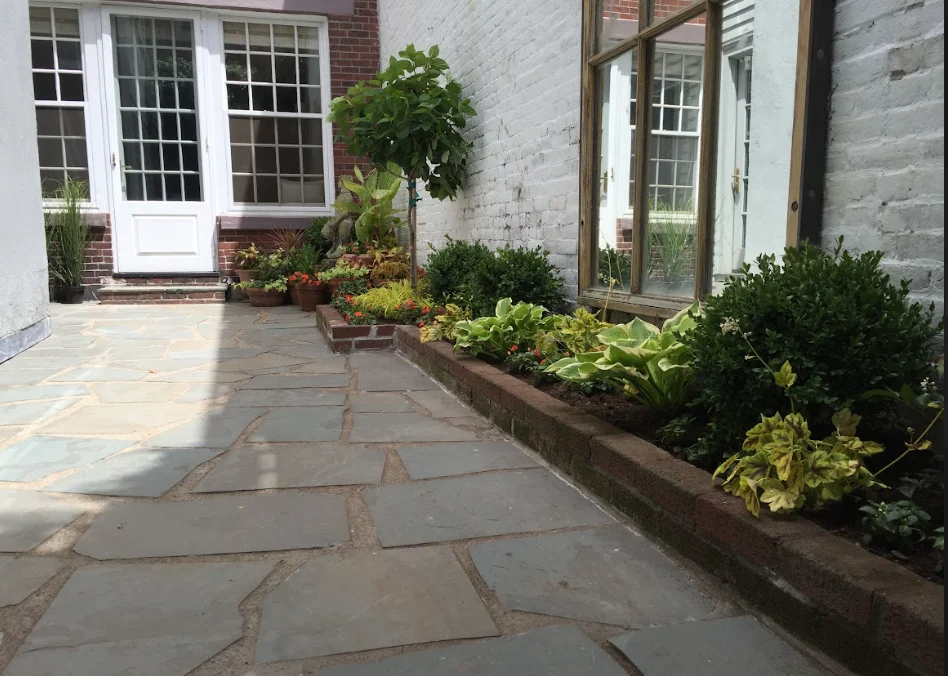
Container & Window Box Upkeep
Soil, Mulch & Feeding Program
Annual soil testing where warranted, targeted amendment, and a mulch and feeding schedule matched to what’s actually planted rather than a flat citywide default. A shaded Cambridge border, a full-sun Wellesley cutting garden, and a rooftop container garden all need different pH targets, feeding rates, and mulch depth, and the program is built to the property rather than applied uniformly across a route.
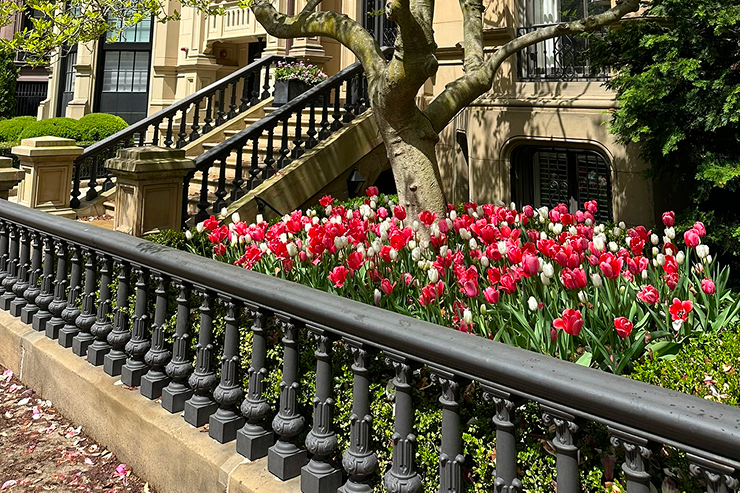
Irrigation Monitoring & Adjustment
Seasonal Transition & Cutback
Why fine gardening matters in Boston specifically
A national maintenance template does not hold up here, for reasons specific to this region.
The growing season is short and front-loaded. Boston typically has a reliable frost-free window of about five months, which means spring planting, first pruning, and early feeding all compress into a few weeks rather than spreading out the way they would in a longer-season climate. A maintenance schedule built for a Mid-Atlantic or Southern property will have the crew arriving late for the first two or three visits of the year, and a Boston garden does not recover from that gap the way a garden further south would.
Properties near the harbor and along the waterfront neighborhoods carry salt spray damage that inland maintenance programs are not built to catch. Salt-tolerant plant selection only goes so far — broadleaf evergreens and newer plantings within a few blocks of the water need rinsing and monitoring after winter storm cycles and nor’easters, and a maintenance visit that skips this is missing the actual risk to the planting.
Mature tree canopy in Cambridge and Brookline puts a large share of the city’s designed gardens into deep shade for most of the day, which changes watering rates, feeding schedules, and what can be planted at all. A one-size program written for full-sun borders will overwater and overfeed a shaded Cambridge garden and still leave it looking thin.
Deer pressure from Newton west is serious and specific to that geography. Properties in Newton, Wellesley, Weston, and Lincoln routinely lose new plantings to browsing within the first season if the maintenance plan doesn’t include deer-resistant selection review, repellent rotation, or protective staking during establishment — this is a line item we build into the plan for western suburb properties, not an afterthought. A plant list that performs well in a Beacon Hill container garden can be stripped overnight on a Weston property with no deer management built in, which is why the western suburb plans and the Boston-proper plans are not interchangeable templates.
Winters here also bring freeze-thaw cycles rather than one long stable cold season, which is harder on containers, root systems, and newly installed plants than a consistently cold climate would be. Repeated freezing and thawing heaves soil, cracks unglazed terracotta, and stresses root balls that haven’t fully established, so fall preparation and container selection both account for it rather than assuming a single hard freeze and a stable winter.
Our process
Walk-through and assessment
Care plan and schedule
First-season calibration
Ongoing visits and reporting
Scheduled visits proceed through the season with the same crew lead assigned to the property, and a short visit note after each stop covering what was done and anything to watch — an emerging pest issue, a plant that’s struggling, a section that’s ready for its next pruning cycle. Deliverable: visit notes after every appointment.
Annual review
Where we do this work
We maintain gardens across Boston’s historic neighborhoods and the western suburbs, and the approach above is calibrated differently for each. In Beacon Hill and Back Bay, the work is mostly container, window box, and small-footprint garden care on properties under historic district review, where plant selection and even the containers themselves often need to clear a design guideline before installation. In the South End and Charlestown, we see a similar mix of rowhouse gardens and roof decks, with Charlestown’s harbor proximity adding salt exposure to the maintenance plan.
Across the river, Cambridge and Somerville properties tend toward deep shade under mature canopy, which shapes both plant selection and the feeding and watering schedule. In Brookline and Chestnut Hill, larger perennial borders and estate-scale properties are common, with maintenance scoped closer to a full fine-gardening program than a container-only visit.
Moving west, Newton, Wellesley, Weston, Lincoln, Concord, Lexington, Belmont, and Dover make up the western suburb portion of the service area, where deer pressure is the defining maintenance variable and plans are built around resistant plant selection and repellent rotation from the outset.
Related services
Fine gardening is usually one piece of a broader garden care plan. Related services we provide:
- Rooftop Garden Installation
- Seasonal Container Planting
- Planting & Maintenance
- Drip Irrigation Installation
- Low-Voltage Landscape Lighting
Start with a walk-through
The next step is a site visit, not a phone quote. Call (617) 555-0142 to schedule a walk-through — we’ll assess the property, put together a written care plan and schedule, and confirm pricing before any work begins.