- Serving Boston and the Greater Boston Area

- Home
- Services
- Garden Design Services
- Landscape Design
- Urban Garden Design
- Rooftop Garden Installation
- Roof Deck Planting
- Container Gardening Services
- Seasonal Container Planting
- Window Boxes
- Fine Gardening
- Garden Maintenance
- Planting Maintenance
- Flower & Plant Installation
- Drip Irrigation Installation
- Landscape Lighting
- Service Areas
Charlestown, MA
- Garden Services in Charlestown, MA
- Garden Design in Charlestown, MA
- Landscape Design in Charlestown, MA
- Urban Garden Design in Charlestown, MA
- Rooftop Garden Installation in Charlestown, MA
- Roof Deck Planting in Charlestown, MA
- Container Gardening in Charlestown, MA
- Seasonal Container Planting in Charlestown, MA
- Flower & Plant Installation in Charlestown, MA
- Window Boxes in Charlestown, MA
- Fine Gardening in Charlestown, MA
- Garden Maintenance in Charlestown, MA
- Planting & Maintenance in Charlestown, MA
- Drip Irrigation Installation in Charlestown, MA
- Landscape Lighting in Charlestown, MA
North End, MA
- Garden Services in north-end, MA
- Garden Design in north-end, MA
- Landscape Design in north-end, MA
- Urban Garden Design in north-end, MA
- Rooftop Garden Installation in north-end, MA
- Roof Deck Planting in north-end, MA
- Container Gardening in north-end, MA
- Seasonal Container Planting in north-end, MA
- Flower & Plant Installation in north-end, MA
- Window Boxes in north-end, MA
- Fine Gardening in north-end, MA
- Garden Maintenance in north-end, MA
- Planting & Maintenance in north-end, MA
- Drip Irrigation Installation in north-end, MA
- Landscape Lighting in north-end, MA
Downtown Boston, MA
- Garden Services in downtown boston, MA
- Garden Design in downtown boston, MA
- Landscape Design in downtown boston, MA
- Urban Garden Design in downtown boston, MA
- Rooftop Garden Installation in downtown boston, MA
- Roof Deck Planting in downtown boston, MA
- Container Gardening in downtown boston, MA
- Seasonal Container Planting in downtown boston, MA
- Flower & Plant Installation in downtown boston, MA
- Window Boxes in downtown boston, MA
- Fine Gardening in downtown boston, MA
- Garden Maintenance in downtown boston, MA
- Planting & Maintenance in downtown boston, MA
- Drip Irrigation Installation in downtown boston, MA
- Landscape Lighting in downtown boston, MA
Beacon Hill, MA
- Garden Services in beacon hill, MA
- Garden Design in beacon hill, MA
- Landscape Design in beacon hill, MA
- Urban Garden Design in beacon hill, MA
- Rooftop Garden Installation in beacon hill, MA
- Roof Deck Planting in beacon hill, MA
- Container Gardening in beacon hill, MA
- Seasonal Container Planting in beacon hill, MA
- Flower & Plant Installation in beacon hill, MA
- Window Boxes in beacon hill, MA
- Fine Gardening in beacon hill, MA
- Garden Maintenance in beacon hill, MA
- Planting & Maintenance in beacon hill, MA
- Drip Irrigation Installation in beacon hill, MA
- Landscape Lighting in beacon hill, MA
Boston, MA
- Garden Services in boston, MA
- Garden Design in boston, MA
- Landscape Design in boston, MA
- Urban Garden Design in boston, MA
- Rooftop Garden Installation in boston, MA
- Roof Deck Planting in boston, MA
- Container Gardening in boston, MA
- Seasonal Container Planting in boston, MA
- Flower & Plant Installation in boston, MA
- Window Boxes in boston, MA
- Fine Gardening in boston, MA
- Garden Maintenance in boston, MA
- Planting & Maintenance in boston, MA
- Drip Irrigation Installation in boston, MA
- Landscape Lighting in boston, MA
seaport, MA
- Garden Services in seaport, MA
- Garden Design in seaport, MA
- Landscape Design in seaport, MA
- Urban Garden Design in seaport, MA
- Rooftop Garden Installation in seaport, MA
- Roof Deck Planting in seaport, MA
- Container Gardening in seaport, MA
- Seasonal Container Planting in seaport, MA
- Flower & Plant Installation in seaport, MA
- Window Boxes in seaport, MA
- Fine Gardening in seaport, MA
- Garden Maintenance in seaport, MA
- Planting & Maintenance in seaport, MA
- Drip Irrigation Installation in seaport, MA
- Landscape Lighting in seaport, MA
back bay, MA
- Garden Services in back bay, MA
- Garden Design in back bay, MA
- Landscape Design in back bay, MA
- Urban Garden Design in back bay, MA
- Rooftop Garden Installation in back bay, MA
- Roof Deck Planting in back bay, MA
- Container Gardening in back bay, MA
- Seasonal Container Planting in back bay, MA
- Flower & Plant Installation in back bay, MA
- Window Boxes in back bay, MA
- Fine Gardening in back bay, MA
- Garden Maintenance in back bay, MA
- Planting & Maintenance in back bay, MA
- Drip Irrigation Installation in back bay, MA
- Landscape Lighting in back bay, MA
cambridge, MA
- Garden Services in cambridge, MA
- Garden Design in cambridge, MA
- Landscape Design in cambridge, MA
- Urban Garden Design in cambridge, MA
- Rooftop Garden Installation in cambridge, MA
- Roof Deck Planting in cambridge, MA
- Container Gardening in cambridge, MA
- Seasonal Container Planting in cambridge, MA
- Flower & Plant Installation in cambridge, MA
- Window Boxes in cambridge, MA
- Fine Gardening in cambridge, MA
- Garden Maintenance in cambridge, MA
- Planting & Maintenance in cambridge, MA
- Drip Irrigation Installation in cambridge, MA
- Landscape Lighting in cambridge, MA
south-end, MA
- Garden Services in south-end, MA
- Garden Design in south-end, MA
- Landscape Design in south-end, MA
- Urban Garden Design in south-end, MA
- Rooftop Garden Installation in south-end, MA
- Roof Deck Planting in south-end, MA
- Container Gardening in south-end, MA
- Seasonal Container Planting in south-end, MA
- Flower & Plant Installation in south-end, MA
- Window Boxes in south-end, MA
- Fine Gardening in south-end, MA
- Garden Maintenance in south-end, MA
- Planting & Maintenance in south-end, MA
- Drip Irrigation Installation in south-end, MA
- Landscape Lighting in south-end, MA
brookline, MA
- Garden Services in brookline, MA
- Garden Design in brookline, MA
- Landscape Design in brookline, MA
- Urban Garden Design in brookline, MA
- Rooftop Garden Installation in brookline, MA
- Roof Deck Planting in brookline, MA
- Container Gardening in brookline, MA
- Seasonal Container Planting in brookline, MA
- Flower & Plant Installation in brookline, MA
- Window Boxes in brookline, MA
- Fine Gardening in brookline, MA
- Garden Maintenance in brookline, MA
- Planting & Maintenance in brookline, MA
- Drip Irrigation Installation in brookline, MA
- Landscape Lighting in brookline, MA
winchester, MA
- Garden Services in winchester, MA
- Garden Design in winchester, MA
- Landscape Design in winchester, MA
- Urban Garden Design in winchester, MA
- Rooftop Garden Installation in winchester, MA
- Roof Deck Planting in winchester, MA
- Container Gardening in winchester, MA
- Seasonal Container Planting in winchester, MA
- Flower & Plant Installation in winchester, MA
- Window Boxes in winchester, MA
- Fine Gardening in winchester, MA
- Garden Maintenance in winchester, MA
- Planting & Maintenance in winchester, MA
- Drip Irrigation Installation in winchester, MA
- Landscape Lighting in winchester, MA
newton, MA
- Garden Services in newton, MA
- Garden Design in newton, MA
- Landscape Design in newton, MA
- Urban Garden Design in newton, MA
- Rooftop Garden Installation in newton, MA
- Roof Deck Planting in newton, MA
- Container Gardening in newton, MA
- Seasonal Container Planting in newton, MA
- Flower & Plant Installation in newton, MA
- Window Boxes in newton, MA
- Fine Gardening in newton, MA
- Garden Maintenance in newton, MA
- Planting & Maintenance in newton, MA
- Drip Irrigation Installation in newton, MA
- Landscape Lighting in newton, MA
lexington, MA
- Garden Services in lexington, MA
- Garden Design in lexington, MA
- Landscape Design in lexington, MA
- Urban Garden Design in lexington, MA
- Rooftop Garden Installation in lexington, MA
- Roof Deck Planting in lexington, MA
- Container Gardening in lexington, MA
- Seasonal Container Planting newton, MA
- Flower & Plant Installation in lexington, MA
- Window Boxes in lexington, MA
- Fine Gardening in lexington, MA
- Garden Maintenance in lexington, MA
- Planting & Maintenance in lexington, MA
- Drip Irrigation Installation in lexington, MA
- Landscape Lighting in lexington, MA
weston, MA
- Garden Services in weston, MA
- Garden Design in weston, MA
- Landscape Design in weston, MA
- Urban Garden Design in weston, MA
- Rooftop Garden Installation in weston, MA
- Roof Deck Planting in weston, MA
- Container Gardening in weston, MA
- Seasonal Container Planting weston, MA
- Flower & Plant Installation in weston, MA
- Window Boxes in weston, MA
- Fine Gardening in weston, MA
- Garden Maintenance in weston, MA
- Planting & Maintenance in weston, MA
- Drip Irrigation Installation in weston, MA
- Landscape Lighting in weston, MA
wellesley, MA
- Garden Services in wellesley, MA
- Garden Design in wellesley, MA
- Landscape Design in wellesley, MA
- Urban Garden Design in wellesley, MA
- Rooftop Garden Installation in wellesley, MA
- Roof Deck Planting in wellesley, MA
- Container Gardening in wellesley, MA
- Seasonal Container Planting wellesley, MA
- Flower & Plant Installation in wellesley, MA
- Window Boxes in wellesley, MA
- Fine Gardening in wellesley, MA
- Garden Maintenance in wellesley, MA
- Planting & Maintenance in wellesley, MA
- Drip Irrigation Installation in wellesley, MA
- Landscape Lighting in wellesley, MA
- Portfolio
- About us
- Blog
- Contact
- Flower Delivery
Planting & Maintenance in Beacon Hill, MA
A window box on Chestnut Street and one on Mount Vernon Street are not the same growing environment, even though they sit a five-minute walk apart. Beacon Hill’s south-facing brick facades radiate heat back into containers for hours after direct sun has moved on, cobbled sidewalks and single-lane streets rule out any vehicle larger than a hand truck, and anything visible from the public way answers to the Beacon Hill Architectural Commission before it answers to the calendar. Planting and maintenance here is a different discipline than in a suburban yard, and it has to be treated that way from the first site visit.

What Planting & Maintenance looks like in Beacon Hill
Most of our work in Beacon Hill happens in three zones: iron window boxes mounted on original brackets, small brick or granite-paved front areas that double as the public face of the house, and rear gardens accessed only through the house itself or down a shared brick passage. None of these forgive a generic planting plan. A box bolted to south-facing brick on Beacon Street can run ten to fifteen degrees hotter at the root zone than the same box on a shaded north elevation two blocks over, which changes both plant selection and watering frequency substantially.
Soil is rarely native. Front gardens are frequently built up over old coal-chute fill or construction backfill from nineteenth-century renovations, and drainage varies block to block. We test before we plant rather than assume. Light is dictated as much by the building across the street as by compass direction — a four-story brick facade can throw a garden into afternoon shade regardless of orientation, so plant selection is done against actual measured light, not a general Boston hardiness assumption.
Because so much of Beacon Hill’s plant material is visible from the sidewalk, we also maintain on a tighter grooming cycle than a typical suburban account. Deadheading, boxwood shaping, and window box refreshes happen on a schedule built around the neighborhood’s foot traffic and the owner’s own sense of how the house should present, not a generic monthly visit.
What we account for here
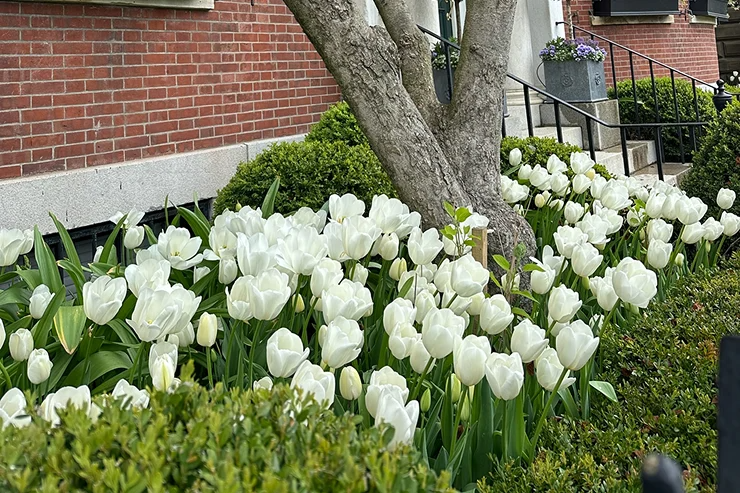
What we account for here
Four constraints come up on nearly every Beacon Hill property we service. Each has a specific, repeatable answer.
Historic District Commission review on anything street-facing
Window boxes, front-garden plantings, and any fixture visible from the street fall under Beacon Hill Architectural Commission purview. Bracket style, box material, and even plant palette can be subject to review depending on the property’s designation. We design within commission expectations from the start — appropriate box proportions, historically consistent materials, and plant choices that read as considered rather than commercial — so installations move through approval rather than stalling on it.

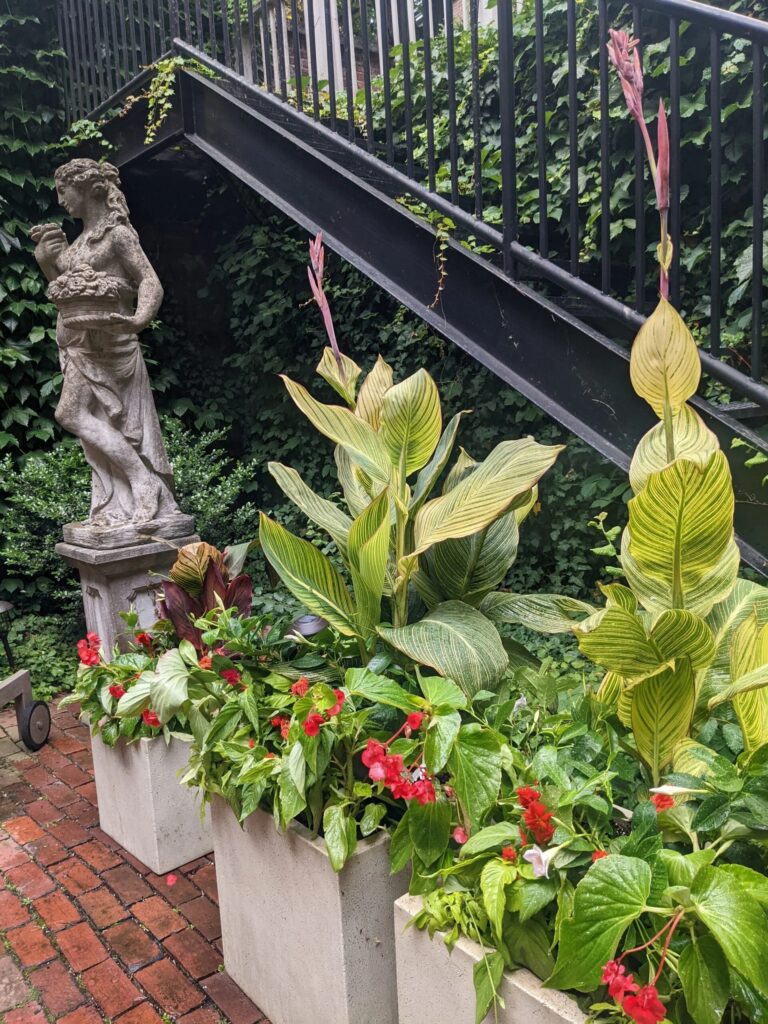
South-facing brick that bakes containers
A window box or container mounted against south-facing brick on Mount Vernon, Chestnut, or Beacon Street absorbs radiant heat well past sunset. Standard potting mixes dry out fast in that environment and standard bedding plants scorch. We build container soil with extra water-holding amendment for these exposures and select heat-tolerant plant material for street-facing brick walls, then adjust watering frequency by exposure rather than applying one schedule to every box on the block.
Cobbled sidewalks and no vehicle access on the narrow lanes
Acorn Street, Willow Street, and most of the numbered courts off Chestnut and Mount Vernon are impassable to trucks, and cobblestones are unforgiving to wheeled equipment generally. Soil, mulch, and plant material for these addresses are broken down into hand-carried loads and brought in on foot, and larger jobs are staged from the nearest legal loading point, sometimes a full block away. Scheduling accounts for this reality rather than treating it as a surprise on install day.
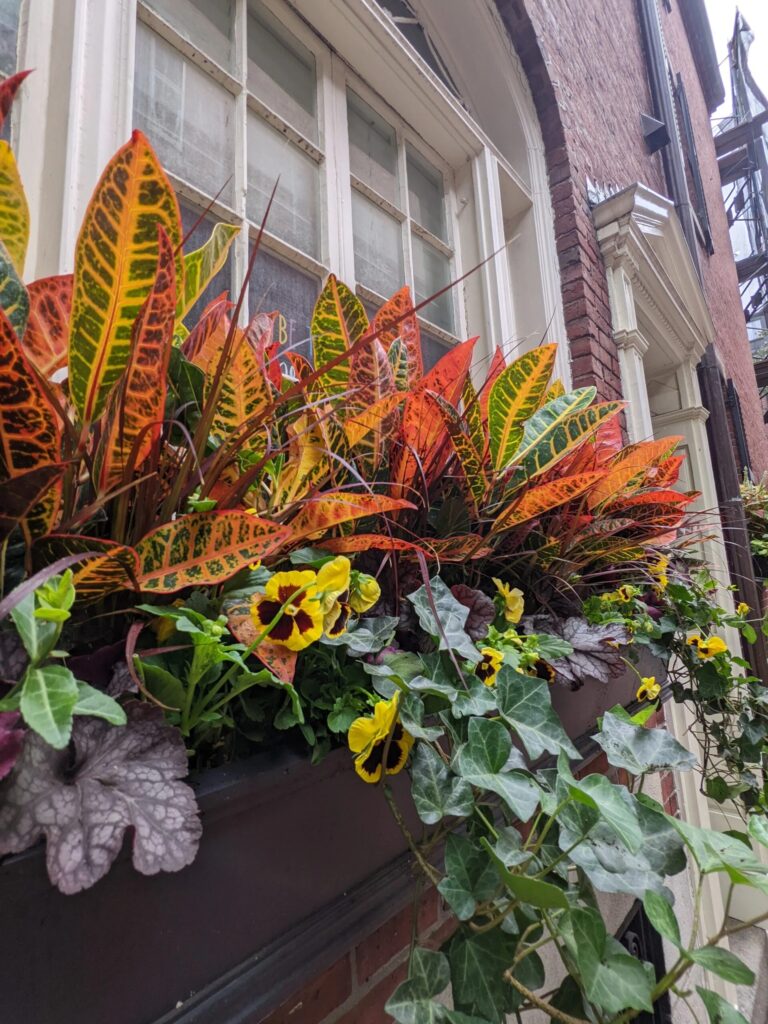
Iron window-box brackets original to the building
Many Beacon Hill townhouses still carry their original iron window-box brackets, some over a century old. Before we install or refresh a box, we inspect the bracket itself — rust, mortar attachment, load capacity — because a heavy, saturated planting can overload hardware that was never engineered for modern soil mixes. Where a bracket needs reinforcement or a period-appropriate replacement, we coordinate that as part of the planting project rather than discovering the problem after a box is already full.
Recent Beacon Hill work
A recurring project type on the Hill is the full seasonal turnover of street-facing window boxes on a townhouse row — commission-appropriate plant palettes swapped four times a year to keep the facade consistent with neighboring properties, paired with a rear courtyard maintained on a weekly fine-gardening visit. We’ve also handled brick-terrace container plantings for owners who wanted a private garden feel on a footprint of a few hundred square feet, where every plant had to be selected against south-facing heat and hand-carried in through a front hallway. These are the two shapes most Beacon Hill work takes: the public-facing box program and the private, tightly bounded garden behind it.
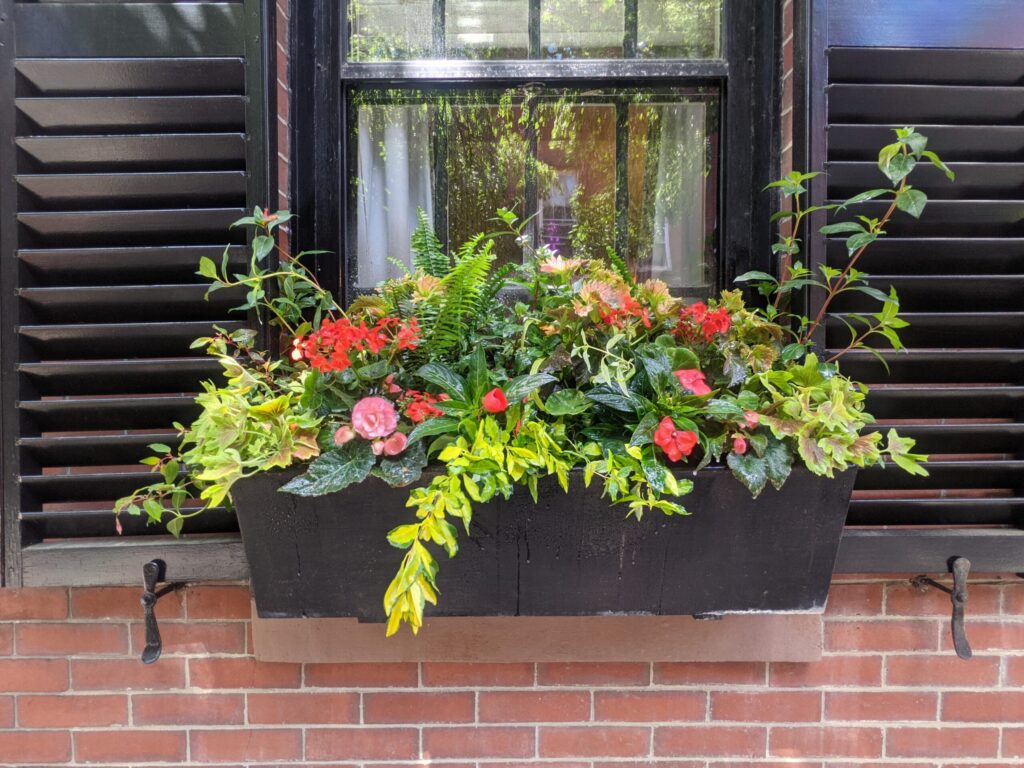
Other services we provide in Beacon Hill
Planting and maintenance is usually the starting point, but most Beacon Hill properties end up using more of what we do. That includes full garden design and installation for owners renovating a rear yard or rooftop from scratch, custom containers and window boxes built to commission-appropriate proportions, roof deck and terrace planting for the Hill’s flat-roof additions, drip irrigation systems run discreetly to avoid disturbing brick and cobble, and low-voltage landscape lighting designed to meet historic district standards for fixture visibility. If your project spans several of these, we scope it as one plan rather than a string of separate visits.
Rouvalis Gardens is based nearby, in Beacon Hill
Rouvalis Gardens works out of 5 Crescent St in Beacon Hill, about 1.9 miles from Beacon Hill. That proximity matters on a street grid like this one — it means a crew can respond quickly to a storm-damaged window box or a commission deadline without the lead time a farther-out contractor would need. We also maintain properties in Downtown Boston and across other Beacon Hill service lines, so a Beacon Hill account is never an isolated stop on someone’s route.
What Our Customers Say
Frequently Asked Questions
Do window boxes on Beacon Hill need Historic District Commission approval?
Anything visible from the public way, including window boxes and front-garden plantings, can fall under Beacon Hill Architectural Commission review depending on the property's designation. We design within those expectations from the outset — bracket style, box proportions, and plant palette — so most installations move through approval without delay.
How do you get soil and plants to a house on a street trucks can't access?
On streets like Acorn, Willow, or the narrow courts off Chestnut and Mount Vernon, materials are broken into hand-carried loads and brought in on foot from the nearest legal loading point. We account for this in scheduling so it doesn't add unplanned time to a project.
Why do my window boxes dry out faster than my neighbor's?
South-facing brick radiates stored heat well after direct sun has passed, which dries container soil far faster than a shaded north-facing exposure a block away. We build soil mixes and watering schedules around each box's actual exposure rather than one general routine.
Can you work with the original iron brackets on my building?
Yes. We inspect bracket condition and load capacity before installing or refreshing a box, since older hardware wasn't engineered for modern soil weights. Where reinforcement is needed we coordinate that as part of the project.
How often do you visit for maintenance in Beacon Hill?
Street-facing plantings are typically kept on a tighter grooming cycle than a suburban property, given how visible they are from the sidewalk. Visit frequency is set by exposure and the owner's expectations, then confirmed at the initial consultation.