- Serving Boston and the Greater Boston Area

- Home
- Services
- Garden Design Services
- Landscape Design
- Urban Garden Design
- Rooftop Garden Installation
- Roof Deck Planting
- Container Gardening Services
- Seasonal Container Planting
- Window Boxes
- Fine Gardening
- Garden Maintenance
- Planting Maintenance
- Flower & Plant Installation
- Drip Irrigation Installation
- Landscape Lighting
- Service Areas
Charlestown, MA
- Garden Services in Charlestown, MA
- Garden Design in Charlestown, MA
- Landscape Design in Charlestown, MA
- Urban Garden Design in Charlestown, MA
- Rooftop Garden Installation in Charlestown, MA
- Roof Deck Planting in Charlestown, MA
- Container Gardening in Charlestown, MA
- Seasonal Container Planting in Charlestown, MA
- Flower & Plant Installation in Charlestown, MA
- Window Boxes in Charlestown, MA
- Fine Gardening in Charlestown, MA
- Garden Maintenance in Charlestown, MA
- Planting & Maintenance in Charlestown, MA
- Drip Irrigation Installation in Charlestown, MA
- Landscape Lighting in Charlestown, MA
North End, MA
- Garden Services in north-end, MA
- Garden Design in north-end, MA
- Landscape Design in north-end, MA
- Urban Garden Design in north-end, MA
- Rooftop Garden Installation in north-end, MA
- Roof Deck Planting in north-end, MA
- Container Gardening in north-end, MA
- Seasonal Container Planting in north-end, MA
- Flower & Plant Installation in north-end, MA
- Window Boxes in north-end, MA
- Fine Gardening in north-end, MA
- Garden Maintenance in north-end, MA
- Planting & Maintenance in north-end, MA
- Drip Irrigation Installation in north-end, MA
- Landscape Lighting in north-end, MA
Downtown Boston, MA
- Garden Services in downtown boston, MA
- Garden Design in downtown boston, MA
- Landscape Design in downtown boston, MA
- Urban Garden Design in downtown boston, MA
- Rooftop Garden Installation in downtown boston, MA
- Roof Deck Planting in downtown boston, MA
- Container Gardening in downtown boston, MA
- Seasonal Container Planting in downtown boston, MA
- Flower & Plant Installation in downtown boston, MA
- Window Boxes in downtown boston, MA
- Fine Gardening in downtown boston, MA
- Garden Maintenance in downtown boston, MA
- Planting & Maintenance in downtown boston, MA
- Drip Irrigation Installation in downtown boston, MA
- Landscape Lighting in downtown boston, MA
Beacon Hill, MA
- Garden Services in beacon hill, MA
- Garden Design in beacon hill, MA
- Landscape Design in beacon hill, MA
- Urban Garden Design in beacon hill, MA
- Rooftop Garden Installation in beacon hill, MA
- Roof Deck Planting in beacon hill, MA
- Container Gardening in beacon hill, MA
- Seasonal Container Planting in beacon hill, MA
- Flower & Plant Installation in beacon hill, MA
- Window Boxes in beacon hill, MA
- Fine Gardening in beacon hill, MA
- Garden Maintenance in beacon hill, MA
- Planting & Maintenance in beacon hill, MA
- Drip Irrigation Installation in beacon hill, MA
- Landscape Lighting in beacon hill, MA
Boston, MA
- Garden Services in boston, MA
- Garden Design in boston, MA
- Landscape Design in boston, MA
- Urban Garden Design in boston, MA
- Rooftop Garden Installation in boston, MA
- Roof Deck Planting in boston, MA
- Container Gardening in boston, MA
- Seasonal Container Planting in boston, MA
- Flower & Plant Installation in boston, MA
- Window Boxes in boston, MA
- Fine Gardening in boston, MA
- Garden Maintenance in boston, MA
- Planting & Maintenance in boston, MA
- Drip Irrigation Installation in boston, MA
- Landscape Lighting in boston, MA
seaport, MA
- Garden Services in seaport, MA
- Garden Design in seaport, MA
- Landscape Design in seaport, MA
- Urban Garden Design in seaport, MA
- Rooftop Garden Installation in seaport, MA
- Roof Deck Planting in seaport, MA
- Container Gardening in seaport, MA
- Seasonal Container Planting in seaport, MA
- Flower & Plant Installation in seaport, MA
- Window Boxes in seaport, MA
- Fine Gardening in seaport, MA
- Garden Maintenance in seaport, MA
- Planting & Maintenance in seaport, MA
- Drip Irrigation Installation in seaport, MA
- Landscape Lighting in seaport, MA
back bay, MA
- Garden Services in back bay, MA
- Garden Design in back bay, MA
- Landscape Design in back bay, MA
- Urban Garden Design in back bay, MA
- Rooftop Garden Installation in back bay, MA
- Roof Deck Planting in back bay, MA
- Container Gardening in back bay, MA
- Seasonal Container Planting in back bay, MA
- Flower & Plant Installation in back bay, MA
- Window Boxes in back bay, MA
- Fine Gardening in back bay, MA
- Garden Maintenance in back bay, MA
- Planting & Maintenance in back bay, MA
- Drip Irrigation Installation in back bay, MA
- Landscape Lighting in back bay, MA
cambridge, MA
- Garden Services in cambridge, MA
- Garden Design in cambridge, MA
- Landscape Design in cambridge, MA
- Urban Garden Design in cambridge, MA
- Rooftop Garden Installation in cambridge, MA
- Roof Deck Planting in cambridge, MA
- Container Gardening in cambridge, MA
- Seasonal Container Planting in cambridge, MA
- Flower & Plant Installation in cambridge, MA
- Window Boxes in cambridge, MA
- Fine Gardening in cambridge, MA
- Garden Maintenance in cambridge, MA
- Planting & Maintenance in cambridge, MA
- Drip Irrigation Installation in cambridge, MA
- Landscape Lighting in cambridge, MA
south-end, MA
- Garden Services in south-end, MA
- Garden Design in south-end, MA
- Landscape Design in south-end, MA
- Urban Garden Design in south-end, MA
- Rooftop Garden Installation in south-end, MA
- Roof Deck Planting in south-end, MA
- Container Gardening in south-end, MA
- Seasonal Container Planting in south-end, MA
- Flower & Plant Installation in south-end, MA
- Window Boxes in south-end, MA
- Fine Gardening in south-end, MA
- Garden Maintenance in south-end, MA
- Planting & Maintenance in south-end, MA
- Drip Irrigation Installation in south-end, MA
- Landscape Lighting in south-end, MA
brookline, MA
- Garden Services in brookline, MA
- Garden Design in brookline, MA
- Landscape Design in brookline, MA
- Urban Garden Design in brookline, MA
- Rooftop Garden Installation in brookline, MA
- Roof Deck Planting in brookline, MA
- Container Gardening in brookline, MA
- Seasonal Container Planting in brookline, MA
- Flower & Plant Installation in brookline, MA
- Window Boxes in brookline, MA
- Fine Gardening in brookline, MA
- Garden Maintenance in brookline, MA
- Planting & Maintenance in brookline, MA
- Drip Irrigation Installation in brookline, MA
- Landscape Lighting in brookline, MA
winchester, MA
- Garden Services in winchester, MA
- Garden Design in winchester, MA
- Landscape Design in winchester, MA
- Urban Garden Design in winchester, MA
- Rooftop Garden Installation in winchester, MA
- Roof Deck Planting in winchester, MA
- Container Gardening in winchester, MA
- Seasonal Container Planting in winchester, MA
- Flower & Plant Installation in winchester, MA
- Window Boxes in winchester, MA
- Fine Gardening in winchester, MA
- Garden Maintenance in winchester, MA
- Planting & Maintenance in winchester, MA
- Drip Irrigation Installation in winchester, MA
- Landscape Lighting in winchester, MA
newton, MA
- Garden Services in newton, MA
- Garden Design in newton, MA
- Landscape Design in newton, MA
- Urban Garden Design in newton, MA
- Rooftop Garden Installation in newton, MA
- Roof Deck Planting in newton, MA
- Container Gardening in newton, MA
- Seasonal Container Planting in newton, MA
- Flower & Plant Installation in newton, MA
- Window Boxes in newton, MA
- Fine Gardening in newton, MA
- Garden Maintenance in newton, MA
- Planting & Maintenance in newton, MA
- Drip Irrigation Installation in newton, MA
- Landscape Lighting in newton, MA
lexington, MA
- Garden Services in lexington, MA
- Garden Design in lexington, MA
- Landscape Design in lexington, MA
- Urban Garden Design in lexington, MA
- Rooftop Garden Installation in lexington, MA
- Roof Deck Planting in lexington, MA
- Container Gardening in lexington, MA
- Seasonal Container Planting newton, MA
- Flower & Plant Installation in lexington, MA
- Window Boxes in lexington, MA
- Fine Gardening in lexington, MA
- Garden Maintenance in lexington, MA
- Planting & Maintenance in lexington, MA
- Drip Irrigation Installation in lexington, MA
- Landscape Lighting in lexington, MA
weston, MA
- Garden Services in weston, MA
- Garden Design in weston, MA
- Landscape Design in weston, MA
- Urban Garden Design in weston, MA
- Rooftop Garden Installation in weston, MA
- Roof Deck Planting in weston, MA
- Container Gardening in weston, MA
- Seasonal Container Planting weston, MA
- Flower & Plant Installation in weston, MA
- Window Boxes in weston, MA
- Fine Gardening in weston, MA
- Garden Maintenance in weston, MA
- Planting & Maintenance in weston, MA
- Drip Irrigation Installation in weston, MA
- Landscape Lighting in weston, MA
wellesley, MA
- Garden Services in wellesley, MA
- Garden Design in wellesley, MA
- Landscape Design in wellesley, MA
- Urban Garden Design in wellesley, MA
- Rooftop Garden Installation in wellesley, MA
- Roof Deck Planting in wellesley, MA
- Container Gardening in wellesley, MA
- Seasonal Container Planting wellesley, MA
- Flower & Plant Installation in wellesley, MA
- Window Boxes in wellesley, MA
- Fine Gardening in wellesley, MA
- Garden Maintenance in wellesley, MA
- Planting & Maintenance in wellesley, MA
- Drip Irrigation Installation in wellesley, MA
- Landscape Lighting in wellesley, MA
- Portfolio
- About us
- Blog
- Contact
- Flower Delivery
Develop Your Outdoor Space with Professional Roof Deck Planting

What Our Customers Say
Professional Roof Deck Planting Services
Successful Rooftop Gardens: Professional Planning & Care
Rooftop gardening needs more than pots on a deck, it requires proper weight distribution, drainage, climate-appropriate plants, and regular maintenance. Our roof deck planting services handle everything from design to seasonal upkeep.
Our Process:
- We start by assessing your roof’s structural capacity and Boston’s building codes, especially important for historic properties. Each project balances building integrity with maximum planting potential.
- During design, we focus on your goals: seasonal flowers, kitchen herbs and vegetables, or low-maintenance evergreens. Your vision shapes our plant selection and layout.
- Installation includes selecting proper containers, premium soil, irrigation systems, and strategic placement. We source locally-grown plants already adapted to New England’s climate, improving survival rates and reducing adjustment time.
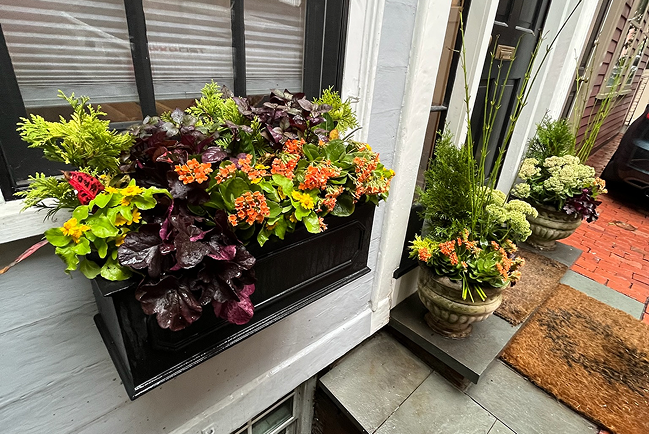
Advantages of Roof Deck Planting
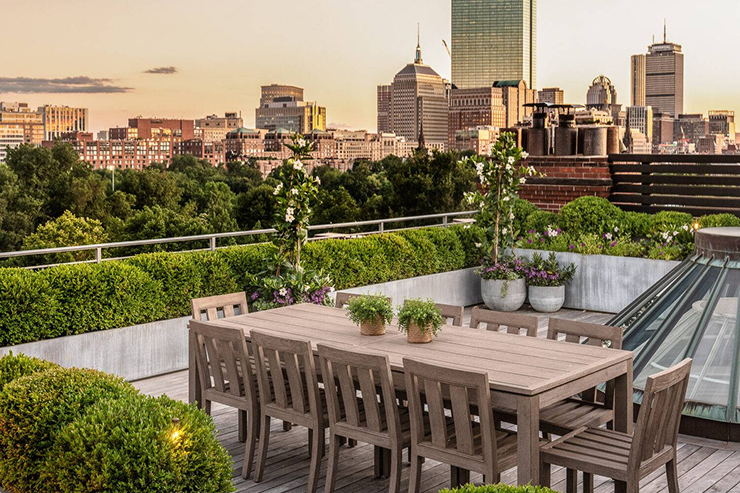
The benefits of rooftop gardens extend far beyond aesthetic appeal. Plants on your roof deck create multiple layers of value that improve both your immediate environment and the broader urban ecosystem.
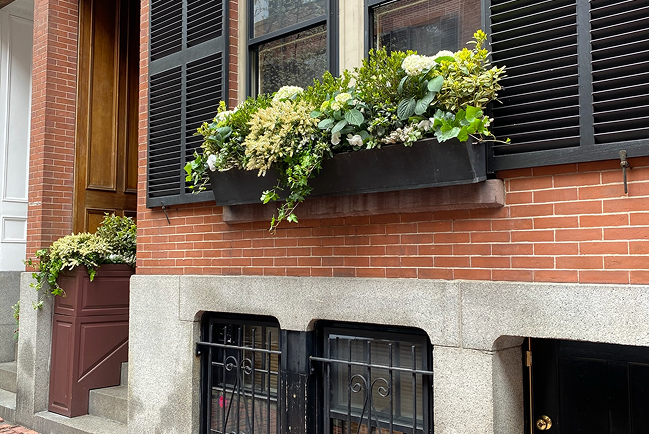
Temperature Regulation
Living plants naturally cool the surrounding air through evapotranspiration. During Boston’s hot summer months, a planted roof deck can be several degrees cooler than one with only hardscaping. This cooling effect extends into your home, potentially reducing air conditioning costs while creating more comfortable outdoor living conditions.
Air Quality Improvement
Stormwater Management
Noise Reduction
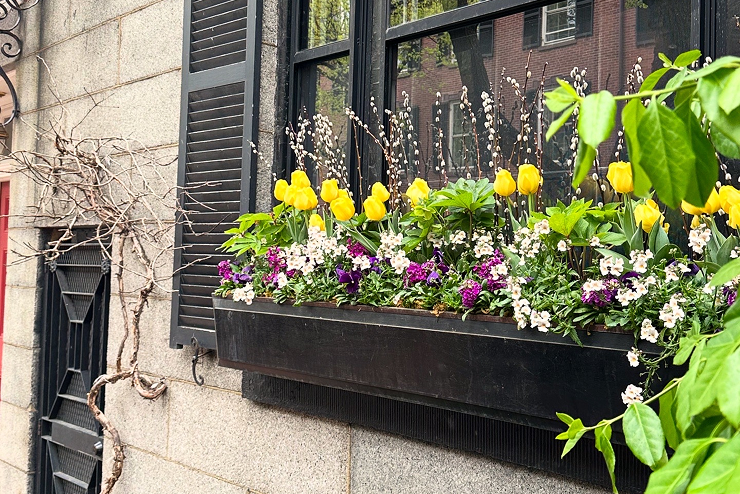
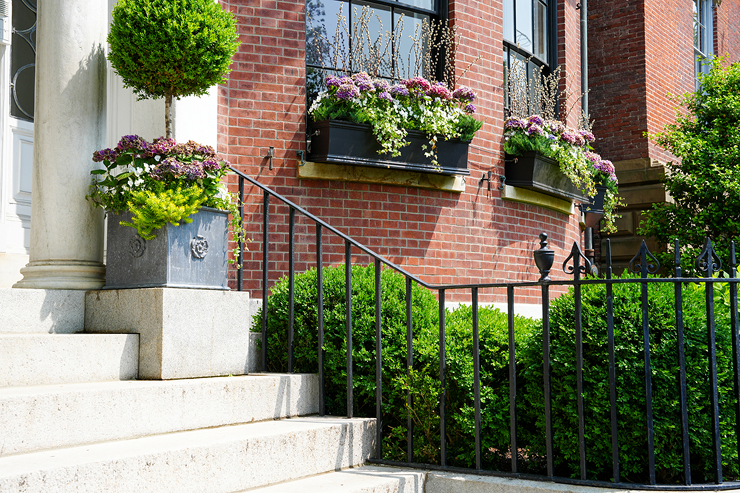
Privacy Screening
Mental Health Benefits
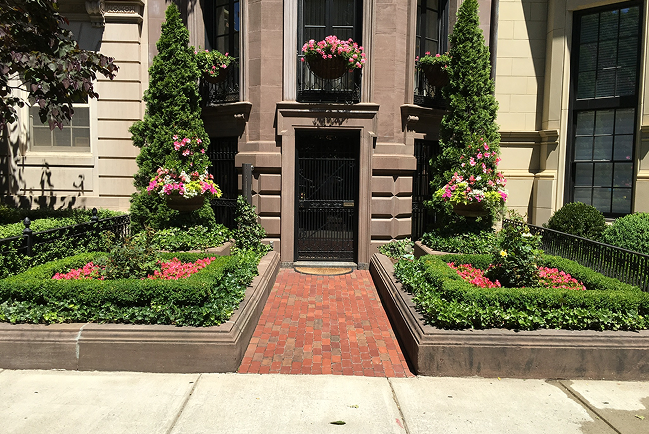
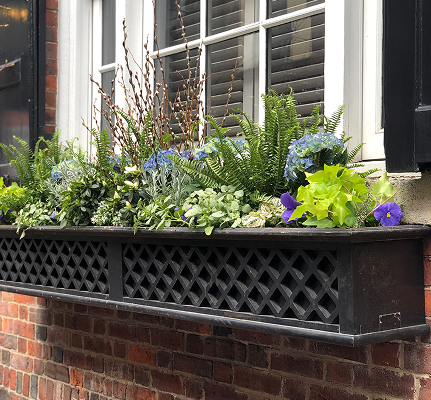
Property Value
Biodiversity Support
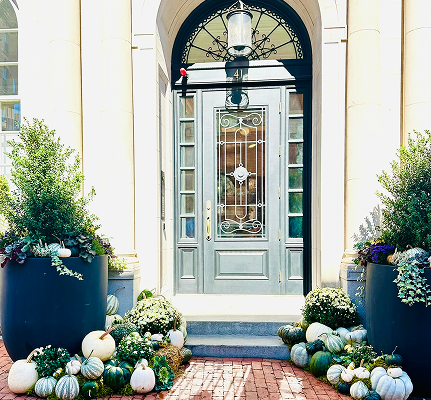
Creating Four-Season Interest on Your Roof Deck
Boston’s distinct seasons present both challenges and opportunities for roof deck planting where thoughtfully planned rooftop gardens provide year-round beauty rather than looking vibrant only during summer months. Spring arrives with early bulbs planted in fall, crocuses, daffodils, and tulips that signal winter’s end, while cool-season pansies and violas add color when most perennials are just emerging, and flowering shrubs like rhododendrons and azaleas thrive in large containers with spectacular displays that transform exposed rooftops into seasonal showcases.
Plant Selection for Rooftop Conditions
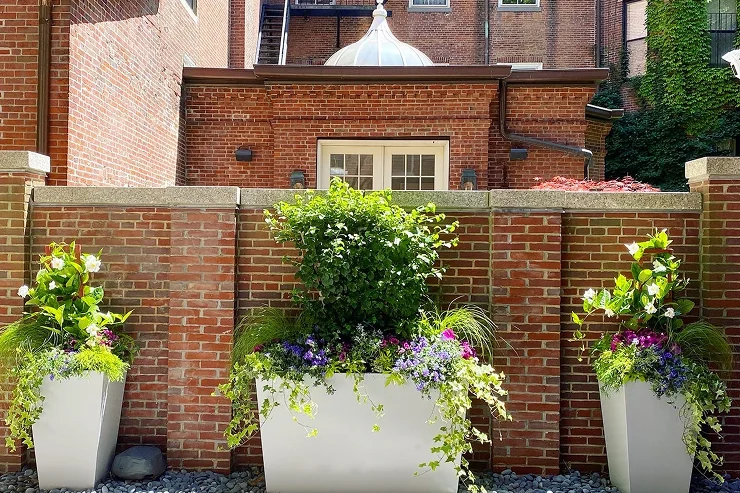
Choosing plants for roof deck planting requires understanding the specific challenges of elevated gardens, where rooftop conditions differ dramatically from ground-level environments in ways that critically affect plant survival and performance. Wind exposure intensifies on roof decks as buildings no longer provide the ground-level protection that shelters traditional gardens, forcing plants to withstand gusty conditions that rapidly dry foliage and snap weak stems. Successful rooftop gardeners select species with flexible stems, compact leaves, or naturally low-growing habits, characteristics that help plants bend rather than break in wind, retain moisture more effectively, and maintain their structure despite constant air movement that would quickly damage large-leaved or tall, spindly varieties.
Container and Soil Considerations for Rooftop Success
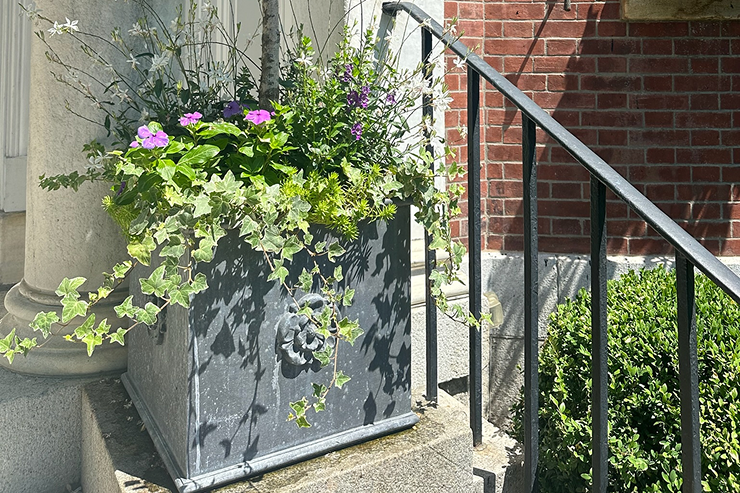
The containers and growing media you select are fundamental to your garden’s success, directly affecting plant health, growth rates, and how much maintenance you’ll need to provide. Quality pots with proper drainage, appropriate size, and durable materials paired with well-formulated growing media that balances water retention, aeration, and nutrition create the foundation for vigorous root development and healthy plants. Cutting corners on these basics often leads to struggling plants plagued by poor drainage, compacted roots, or nutrient deficiencies, while investing in proper containers and quality growing media sets up your garden to thrive with less intervention and better results.
Irrigation Systems for Roof Decks
Seasonal Maintenance for Roof Deck Gardens
Roof deck planting requires different maintenance approaches across Boston’s four distinct seasons. Understanding these seasonal needs helps keep your rooftop garden healthy and attractive throughout the year.
Spring Maintenance
Summer Care
Fall Preparation
Winter Protection
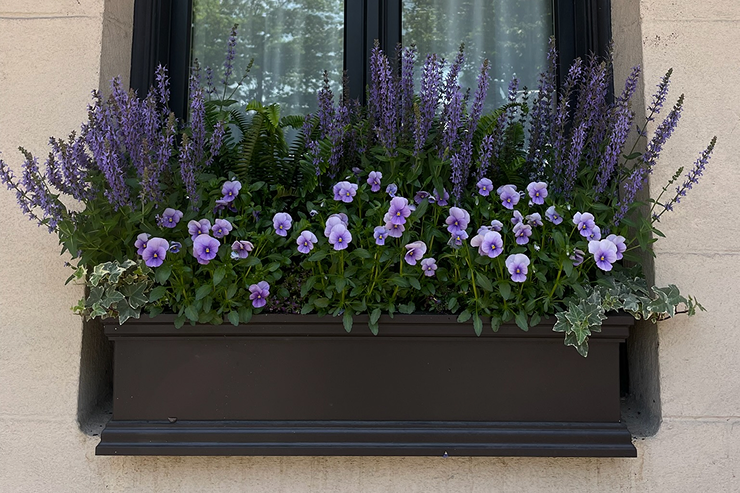
Get Started with Your Roof Deck Garden Today
Transform your roof deck into a flourishing garden sanctuary
Let’s discuss your vision for rooftop plantings that reflect your style while thriving in Boston’s urban environment. Schedule your consultation to explore the possibilities.
Sustainable Practices in Rooftop Gardening
Addressing Common Challenges in Roof Deck Planting
Wind Damage
Extreme Temperatures
Drainage Problems
Pest Infiltration
Plant Failure
Sometimes plants don’t survive despite good care. Container culture is more challenging than ground planting, and losses happen. We identify why plants failed and adjust our approach, perhaps choosing more cold-hardy varieties, improving drainage, or adjusting irrigation schedules. Failed plants get replaced to maintain your garden’s appearance.
Why Choose Our Roof Deck Planting Services
Understanding unique character, from its historic designation and distinctive architectural styles to its specific microclimate patterns, is what separates adequate rooftop gardening from truly successful installations that thrive in this neighborhood’s particular conditions. The district’s protected status, exposure to Boston Harbor winds, shadowing from surrounding brick townhouses, and strict aesthetic guidelines all influence which plants flourish and which design approaches work best on your roof deck.
Frequently Asked Questions About Roof Deck Planting
How much weight can my roof deck support for planting?
What plants survive Boston winters on a roof deck?
How often will my roof deck plants need watering?
Can I grow vegetables and herbs on my roof deck?
Will roof deck planting damage my building or void my insurance?
How much maintenance does a rooftop garden require?
Maintenance levels vary based on your plant selections and desired appearance. Low-maintenance designs using drought-tolerant plants and automated irrigation require minimal attention, perhaps a few hours monthly during the growing season. More intensive designs with seasonal color rotations and high-maintenance plants need weekly care. We can design gardens matching your available time and interest level.