- Serving Boston and the Greater Boston Area

- Home
- Services
- Garden Design Services
- Landscape Design
- Urban Garden Design
- Rooftop Garden Installation
- Roof Deck Planting
- Container Gardening Services
- Seasonal Container Planting
- Window Boxes
- Fine Gardening
- Garden Maintenance
- Planting Maintenance
- Flower & Plant Installation
- Drip Irrigation Installation
- Landscape Lighting
- Service Areas
Charlestown, MA
- Garden Services in Charlestown, MA
- Garden Design in Charlestown, MA
- Landscape Design in Charlestown, MA
- Urban Garden Design in Charlestown, MA
- Rooftop Garden Installation in Charlestown, MA
- Roof Deck Planting in Charlestown, MA
- Container Gardening in Charlestown, MA
- Seasonal Container Planting in Charlestown, MA
- Flower & Plant Installation in Charlestown, MA
- Window Boxes in Charlestown, MA
- Fine Gardening in Charlestown, MA
- Garden Maintenance in Charlestown, MA
- Planting & Maintenance in Charlestown, MA
- Drip Irrigation Installation in Charlestown, MA
- Landscape Lighting in Charlestown, MA
North End, MA
- Garden Services in north-end, MA
- Garden Design in north-end, MA
- Landscape Design in north-end, MA
- Urban Garden Design in north-end, MA
- Rooftop Garden Installation in north-end, MA
- Roof Deck Planting in north-end, MA
- Container Gardening in north-end, MA
- Seasonal Container Planting in north-end, MA
- Flower & Plant Installation in north-end, MA
- Window Boxes in north-end, MA
- Fine Gardening in north-end, MA
- Garden Maintenance in north-end, MA
- Planting & Maintenance in north-end, MA
- Drip Irrigation Installation in north-end, MA
- Landscape Lighting in north-end, MA
Downtown Boston, MA
- Garden Services in downtown boston, MA
- Garden Design in downtown boston, MA
- Landscape Design in downtown boston, MA
- Urban Garden Design in downtown boston, MA
- Rooftop Garden Installation in downtown boston, MA
- Roof Deck Planting in downtown boston, MA
- Container Gardening in downtown boston, MA
- Seasonal Container Planting in downtown boston, MA
- Flower & Plant Installation in downtown boston, MA
- Window Boxes in downtown boston, MA
- Fine Gardening in downtown boston, MA
- Garden Maintenance in downtown boston, MA
- Planting & Maintenance in downtown boston, MA
- Drip Irrigation Installation in downtown boston, MA
- Landscape Lighting in downtown boston, MA
Beacon Hill, MA
- Garden Services in beacon hill, MA
- Garden Design in beacon hill, MA
- Landscape Design in beacon hill, MA
- Urban Garden Design in beacon hill, MA
- Rooftop Garden Installation in beacon hill, MA
- Roof Deck Planting in beacon hill, MA
- Container Gardening in beacon hill, MA
- Seasonal Container Planting in beacon hill, MA
- Flower & Plant Installation in beacon hill, MA
- Window Boxes in beacon hill, MA
- Fine Gardening in beacon hill, MA
- Garden Maintenance in beacon hill, MA
- Planting & Maintenance in beacon hill, MA
- Drip Irrigation Installation in beacon hill, MA
- Landscape Lighting in beacon hill, MA
Boston, MA
- Garden Services in boston, MA
- Garden Design in boston, MA
- Landscape Design in boston, MA
- Urban Garden Design in boston, MA
- Rooftop Garden Installation in boston, MA
- Roof Deck Planting in boston, MA
- Container Gardening in boston, MA
- Seasonal Container Planting in boston, MA
- Flower & Plant Installation in boston, MA
- Window Boxes in boston, MA
- Fine Gardening in boston, MA
- Garden Maintenance in boston, MA
- Planting & Maintenance in boston, MA
- Drip Irrigation Installation in boston, MA
- Landscape Lighting in boston, MA
seaport, MA
- Garden Services in seaport, MA
- Garden Design in seaport, MA
- Landscape Design in seaport, MA
- Urban Garden Design in seaport, MA
- Rooftop Garden Installation in seaport, MA
- Roof Deck Planting in seaport, MA
- Container Gardening in seaport, MA
- Seasonal Container Planting in seaport, MA
- Flower & Plant Installation in seaport, MA
- Window Boxes in seaport, MA
- Fine Gardening in seaport, MA
- Garden Maintenance in seaport, MA
- Planting & Maintenance in seaport, MA
- Drip Irrigation Installation in seaport, MA
- Landscape Lighting in seaport, MA
back bay, MA
- Garden Services in back bay, MA
- Garden Design in back bay, MA
- Landscape Design in back bay, MA
- Urban Garden Design in back bay, MA
- Rooftop Garden Installation in back bay, MA
- Roof Deck Planting in back bay, MA
- Container Gardening in back bay, MA
- Seasonal Container Planting in back bay, MA
- Flower & Plant Installation in back bay, MA
- Window Boxes in back bay, MA
- Fine Gardening in back bay, MA
- Garden Maintenance in back bay, MA
- Planting & Maintenance in back bay, MA
- Drip Irrigation Installation in back bay, MA
- Landscape Lighting in back bay, MA
cambridge, MA
- Garden Services in cambridge, MA
- Garden Design in cambridge, MA
- Landscape Design in cambridge, MA
- Urban Garden Design in cambridge, MA
- Rooftop Garden Installation in cambridge, MA
- Roof Deck Planting in cambridge, MA
- Container Gardening in cambridge, MA
- Seasonal Container Planting in cambridge, MA
- Flower & Plant Installation in cambridge, MA
- Window Boxes in cambridge, MA
- Fine Gardening in cambridge, MA
- Garden Maintenance in cambridge, MA
- Planting & Maintenance in cambridge, MA
- Drip Irrigation Installation in cambridge, MA
- Landscape Lighting in cambridge, MA
south-end, MA
- Garden Services in south-end, MA
- Garden Design in south-end, MA
- Landscape Design in south-end, MA
- Urban Garden Design in south-end, MA
- Rooftop Garden Installation in south-end, MA
- Roof Deck Planting in south-end, MA
- Container Gardening in south-end, MA
- Seasonal Container Planting in south-end, MA
- Flower & Plant Installation in south-end, MA
- Window Boxes in south-end, MA
- Fine Gardening in south-end, MA
- Garden Maintenance in south-end, MA
- Planting & Maintenance in south-end, MA
- Drip Irrigation Installation in south-end, MA
- Landscape Lighting in south-end, MA
brookline, MA
- Garden Services in brookline, MA
- Garden Design in brookline, MA
- Landscape Design in brookline, MA
- Urban Garden Design in brookline, MA
- Rooftop Garden Installation in brookline, MA
- Roof Deck Planting in brookline, MA
- Container Gardening in brookline, MA
- Seasonal Container Planting in brookline, MA
- Flower & Plant Installation in brookline, MA
- Window Boxes in brookline, MA
- Fine Gardening in brookline, MA
- Garden Maintenance in brookline, MA
- Planting & Maintenance in brookline, MA
- Drip Irrigation Installation in brookline, MA
- Landscape Lighting in brookline, MA
winchester, MA
- Garden Services in winchester, MA
- Garden Design in winchester, MA
- Landscape Design in winchester, MA
- Urban Garden Design in winchester, MA
- Rooftop Garden Installation in winchester, MA
- Roof Deck Planting in winchester, MA
- Container Gardening in winchester, MA
- Seasonal Container Planting in winchester, MA
- Flower & Plant Installation in winchester, MA
- Window Boxes in winchester, MA
- Fine Gardening in winchester, MA
- Garden Maintenance in winchester, MA
- Planting & Maintenance in winchester, MA
- Drip Irrigation Installation in winchester, MA
- Landscape Lighting in winchester, MA
newton, MA
- Garden Services in newton, MA
- Garden Design in newton, MA
- Landscape Design in newton, MA
- Urban Garden Design in newton, MA
- Rooftop Garden Installation in newton, MA
- Roof Deck Planting in newton, MA
- Container Gardening in newton, MA
- Seasonal Container Planting in newton, MA
- Flower & Plant Installation in newton, MA
- Window Boxes in newton, MA
- Fine Gardening in newton, MA
- Garden Maintenance in newton, MA
- Planting & Maintenance in newton, MA
- Drip Irrigation Installation in newton, MA
- Landscape Lighting in newton, MA
lexington, MA
- Garden Services in lexington, MA
- Garden Design in lexington, MA
- Landscape Design in lexington, MA
- Urban Garden Design in lexington, MA
- Rooftop Garden Installation in lexington, MA
- Roof Deck Planting in lexington, MA
- Container Gardening in lexington, MA
- Seasonal Container Planting newton, MA
- Flower & Plant Installation in lexington, MA
- Window Boxes in lexington, MA
- Fine Gardening in lexington, MA
- Garden Maintenance in lexington, MA
- Planting & Maintenance in lexington, MA
- Drip Irrigation Installation in lexington, MA
- Landscape Lighting in lexington, MA
weston, MA
- Garden Services in weston, MA
- Garden Design in weston, MA
- Landscape Design in weston, MA
- Urban Garden Design in weston, MA
- Rooftop Garden Installation in weston, MA
- Roof Deck Planting in weston, MA
- Container Gardening in weston, MA
- Seasonal Container Planting weston, MA
- Flower & Plant Installation in weston, MA
- Window Boxes in weston, MA
- Fine Gardening in weston, MA
- Garden Maintenance in weston, MA
- Planting & Maintenance in weston, MA
- Drip Irrigation Installation in weston, MA
- Landscape Lighting in weston, MA
wellesley, MA
- Garden Services in wellesley, MA
- Garden Design in wellesley, MA
- Landscape Design in wellesley, MA
- Urban Garden Design in wellesley, MA
- Rooftop Garden Installation in wellesley, MA
- Roof Deck Planting in wellesley, MA
- Container Gardening in wellesley, MA
- Seasonal Container Planting wellesley, MA
- Flower & Plant Installation in wellesley, MA
- Window Boxes in wellesley, MA
- Fine Gardening in wellesley, MA
- Garden Maintenance in wellesley, MA
- Planting & Maintenance in wellesley, MA
- Drip Irrigation Installation in wellesley, MA
- Landscape Lighting in wellesley, MA
- Portfolio
- About us
- Blog
- Contact
- Flower Delivery
Flower & Plant Installation in Winchester, MA
A planting bed that looks right on paper often fails within a season on a Winchester property, and the reasons are almost always the same three: deep shade from a mature oak canopy, a slope that sheds water before it reaches the roots, or a deer population that treats a new hosta bed as a delivered meal. Add proximity to the Mystic Lakes, where humidity and soil moisture run higher than a few blocks inland, and a planting plan built for a flat, sunny lot in another town simply will not hold up here. We design and install flower and plant work around these conditions specifically, not around a generic Massachusetts plant list.

What Flower & Plant Installation looks like in Winchester
Winchester’s housing stock runs from Victorian-era homes near the center to newer construction along the lake-facing streets off Ridge Street and Bacon Street, and the planting approach changes block by block. On the lots closest to the Mystic Lakes, we account for soil that stays damp longer into the season and select flowering perennials and shrubs that tolerate that moisture without rotting at the crown. On the sloped parcels common through the Highlands and around Wedgemere, installation has to address drainage first — a bed installed straight into a hillside without regrading or terracing will wash out by the first hard rain.
Oak canopy is the other constant. Large, established oaks throw dense, dry shade for most of the day, which rules out sun-loving annuals and points us toward shade perennials, ferns, and flowering shade shrubs that can compete with oak root systems for water. We also test and amend soil pH where oaks have acidified it over decades, since many flowering plants sulk in that condition until the soil chemistry is corrected.
Deer pressure runs high enough in Winchester that we do not treat it as an afterthought — it shapes the plant palette from the first design conversation. We favor deer-resistant flowering perennials, layer in repellent programs where a client wants a broader plant selection anyway, and use fencing or physical barriers selectively on beds closest to wooded edges or conservation land. The result is a planting plan that still looks intentional and layered, not a list of the ten plants deer happen to avoid.
What we account for here
What we account for here
Four conditions come up on nearly every Winchester project, and each one changes how we design and install.
Deer pressure from wooded and conservation-adjacent lots
Properties backing onto conservation land or wooded buffers see the heaviest browsing. We build plant lists around deer-resistant flowering species first, then add repellent application schedules or targeted fencing for any high-value plantings a client wants regardless of risk.
Mature oak canopy and root competition
Dense shade and thirsty root systems mean standard sun perennials fail here. We plant shade-tolerant flowering species and amend soil where decades of leaf drop have shifted the pH, so new plantings establish instead of stalling.
Sloped and lakeside grading
On hillside lots, beds are graded or terraced before planting so soil and mulch stay put through a Massachusetts winter and spring runoff. On lower, lake-adjacent lots, we choose plants that tolerate consistently moist soil rather than fighting the water table.
Historic and near-lake property character
Winchester’s older homes, particularly near the center and around the lakes, call for plant choices and container styles that read as considered rather than off-the-shelf — proportion and restraint matter as much as bloom color on these facades.
Recent Winchester work
A recent project type in Winchester involved a sloped rear yard near the Mystic Lakes where the existing bed had eroded down toward the water line after several seasons of runoff. The fix combined regrading with a shade- and moisture-tolerant flowering plant palette selected specifically for the site’s light and drainage, installed with deer-resistant species prioritized given the property’s tree line. We handle this kind of correction regularly — where a previous planting was chosen without accounting for slope, shade, or deer, and needs to be reworked rather than simply replanted.
Other services we provide in Winchester
Flower and plant installation is one piece of a broader scope we cover across Winchester. Many clients pair it with general garden services in Winchester for ongoing fine gardening once beds are established, along with seasonal container and window box plantings for front entries and porches. For lakeside and hillside properties, we also handle drip irrigation design so new plantings get consistent water without a homeowner managing it by hand, and low-voltage landscape lighting that highlights specimen trees and planted beds after dark. Roof deck and terrace planting comes up less often here than in the closer-in neighborhoods, but it is available for the town’s more contemporary builds. Full garden design and installation covers everything from a single reworked bed to a whole-property planting plan.
Working around Winchester's access and site conditions
Beyond plant selection, execution matters. Lakeside lots often have limited rear access, so we plan equipment and material staging in advance rather than improvising on-site. Sloped driveways and narrow side yards common in the Highlands neighborhood mean crews sometimes hand-carry soil, mulch, and root balls rather than relying on wheelbarrow access straight from a truck. None of this changes the finished planting, but it does change how a project is scheduled and staffed, and we account for it when we quote a Winchester job rather than treating it identically to a flat in-town lot.
Timing installation around Winchester's seasons
Spring planting windows in Winchester tend to open slightly later near the lakes, where cooler, damper microclimates delay soil warming compared to inland parts of town. Fall installation is often the better call for shade perennials and shrubs going in under oak canopy, since it gives root systems a full season to establish before summer’s dry, dense shade sets in. We time each installation to the specific site rather than a single townwide calendar.
Start with a consultation
Rouvalis Gardens is based at 5 Crescent St in Winchester, about 6.9 miles from Winchester center. A call gets you a site visit where we walk the property, assess light, slope, drainage, and deer pressure firsthand, and follow up with a plant palette and installation plan suited to the specific lot — not a stock list. From there, scheduling is straightforward and installation is typically completed within the timeframe discussed at the consultation. Call to set up a visit and get a plan started for your Winchester property.
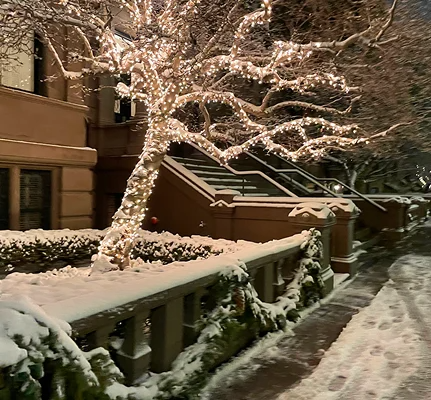
A planting plan built for your property
Every Winchester property has its own light, soil, and sightlines, so we start by walking the beds, borders, and containers with you before any plants are chosen. From there we put together a layout that fits the home’s style and the way you actually use the yard.
- Seasonal color for entries and porches
- Foundation and border plantings
- Container and window box design
What Our Customers Say
Frequently Asked Questions
Can you plant something deer won't eat but that still flowers well in Winchester?
Yes. We build most Winchester plant lists around deer-resistant flowering perennials and shrubs first, which still gives strong seasonal color without the plant becoming a deer buffet. For beds near wooded or conservation-adjacent lots, we sometimes add repellent programs or light fencing for anything especially attractive to deer.
Do you plant around the Mystic Lakes shoreline?
We work on properties near the lakes' edge, though any work within jurisdiction of wetlands protection or conservation commission review is planned accordingly, with plant selection and installation methods that respect buffer zone requirements.
What do you do about oak tree roots when installing new beds?
We plant around and outside major root zones where possible, amend soil pH that oaks tend to acidify over time, and choose shade-tolerant flowering species that can compete for water without stressing the tree or the new planting.
How do you handle a sloped Winchester yard so new beds don't wash out?
Grading or terracing happens before any plant goes in the ground. On steeper Highlands and Wedgemere lots, this often means a retaining edge or staged terraces so soil and mulch stay in place through spring runoff.
How far is Winchester from your Winchester location?
About 6.9 miles. We schedule Winchester consultations and installation work regularly and can typically get a site visit on the calendar within the week.