- Serving Boston and the Greater Boston Area

- Home
- Services
- Garden Design Services
- Landscape Design
- Urban Garden Design
- Rooftop Garden Installation
- Roof Deck Planting
- Container Gardening Services
- Seasonal Container Planting
- Window Boxes
- Fine Gardening
- Garden Maintenance
- Planting Maintenance
- Flower & Plant Installation
- Drip Irrigation Installation
- Landscape Lighting
- Service Areas
Charlestown, MA
- Garden Services in Charlestown, MA
- Garden Design in Charlestown, MA
- Landscape Design in Charlestown, MA
- Urban Garden Design in Charlestown, MA
- Rooftop Garden Installation in Charlestown, MA
- Roof Deck Planting in Charlestown, MA
- Container Gardening in Charlestown, MA
- Seasonal Container Planting in Charlestown, MA
- Flower & Plant Installation in Charlestown, MA
- Window Boxes in Charlestown, MA
- Fine Gardening in Charlestown, MA
- Garden Maintenance in Charlestown, MA
- Planting & Maintenance in Charlestown, MA
- Drip Irrigation Installation in Charlestown, MA
- Landscape Lighting in Charlestown, MA
North End, MA
- Garden Services in north-end, MA
- Garden Design in north-end, MA
- Landscape Design in north-end, MA
- Urban Garden Design in north-end, MA
- Rooftop Garden Installation in north-end, MA
- Roof Deck Planting in north-end, MA
- Container Gardening in north-end, MA
- Seasonal Container Planting in north-end, MA
- Flower & Plant Installation in north-end, MA
- Window Boxes in north-end, MA
- Fine Gardening in north-end, MA
- Garden Maintenance in north-end, MA
- Planting & Maintenance in north-end, MA
- Drip Irrigation Installation in north-end, MA
- Landscape Lighting in north-end, MA
Downtown Boston, MA
- Garden Services in downtown boston, MA
- Garden Design in downtown boston, MA
- Landscape Design in downtown boston, MA
- Urban Garden Design in downtown boston, MA
- Rooftop Garden Installation in downtown boston, MA
- Roof Deck Planting in downtown boston, MA
- Container Gardening in downtown boston, MA
- Seasonal Container Planting in downtown boston, MA
- Flower & Plant Installation in downtown boston, MA
- Window Boxes in downtown boston, MA
- Fine Gardening in downtown boston, MA
- Garden Maintenance in downtown boston, MA
- Planting & Maintenance in downtown boston, MA
- Drip Irrigation Installation in downtown boston, MA
- Landscape Lighting in downtown boston, MA
Beacon Hill, MA
- Garden Services in beacon hill, MA
- Garden Design in beacon hill, MA
- Landscape Design in beacon hill, MA
- Urban Garden Design in beacon hill, MA
- Rooftop Garden Installation in beacon hill, MA
- Roof Deck Planting in beacon hill, MA
- Container Gardening in beacon hill, MA
- Seasonal Container Planting in beacon hill, MA
- Flower & Plant Installation in beacon hill, MA
- Window Boxes in beacon hill, MA
- Fine Gardening in beacon hill, MA
- Garden Maintenance in beacon hill, MA
- Planting & Maintenance in beacon hill, MA
- Drip Irrigation Installation in beacon hill, MA
- Landscape Lighting in beacon hill, MA
Boston, MA
- Garden Services in boston, MA
- Garden Design in boston, MA
- Landscape Design in boston, MA
- Urban Garden Design in boston, MA
- Rooftop Garden Installation in boston, MA
- Roof Deck Planting in boston, MA
- Container Gardening in boston, MA
- Seasonal Container Planting in boston, MA
- Flower & Plant Installation in boston, MA
- Window Boxes in boston, MA
- Fine Gardening in boston, MA
- Garden Maintenance in boston, MA
- Planting & Maintenance in boston, MA
- Drip Irrigation Installation in boston, MA
- Landscape Lighting in boston, MA
seaport, MA
- Garden Services in seaport, MA
- Garden Design in seaport, MA
- Landscape Design in seaport, MA
- Urban Garden Design in seaport, MA
- Rooftop Garden Installation in seaport, MA
- Roof Deck Planting in seaport, MA
- Container Gardening in seaport, MA
- Seasonal Container Planting in seaport, MA
- Flower & Plant Installation in seaport, MA
- Window Boxes in seaport, MA
- Fine Gardening in seaport, MA
- Garden Maintenance in seaport, MA
- Planting & Maintenance in seaport, MA
- Drip Irrigation Installation in seaport, MA
- Landscape Lighting in seaport, MA
back bay, MA
- Garden Services in back bay, MA
- Garden Design in back bay, MA
- Landscape Design in back bay, MA
- Urban Garden Design in back bay, MA
- Rooftop Garden Installation in back bay, MA
- Roof Deck Planting in back bay, MA
- Container Gardening in back bay, MA
- Seasonal Container Planting in back bay, MA
- Flower & Plant Installation in back bay, MA
- Window Boxes in back bay, MA
- Fine Gardening in back bay, MA
- Garden Maintenance in back bay, MA
- Planting & Maintenance in back bay, MA
- Drip Irrigation Installation in back bay, MA
- Landscape Lighting in back bay, MA
cambridge, MA
- Garden Services in cambridge, MA
- Garden Design in cambridge, MA
- Landscape Design in cambridge, MA
- Urban Garden Design in cambridge, MA
- Rooftop Garden Installation in cambridge, MA
- Roof Deck Planting in cambridge, MA
- Container Gardening in cambridge, MA
- Seasonal Container Planting in cambridge, MA
- Flower & Plant Installation in cambridge, MA
- Window Boxes in cambridge, MA
- Fine Gardening in cambridge, MA
- Garden Maintenance in cambridge, MA
- Planting & Maintenance in cambridge, MA
- Drip Irrigation Installation in cambridge, MA
- Landscape Lighting in cambridge, MA
south-end, MA
- Garden Services in south-end, MA
- Garden Design in south-end, MA
- Landscape Design in south-end, MA
- Urban Garden Design in south-end, MA
- Rooftop Garden Installation in south-end, MA
- Roof Deck Planting in south-end, MA
- Container Gardening in south-end, MA
- Seasonal Container Planting in south-end, MA
- Flower & Plant Installation in south-end, MA
- Window Boxes in south-end, MA
- Fine Gardening in south-end, MA
- Garden Maintenance in south-end, MA
- Planting & Maintenance in south-end, MA
- Drip Irrigation Installation in south-end, MA
- Landscape Lighting in south-end, MA
brookline, MA
- Garden Services in brookline, MA
- Garden Design in brookline, MA
- Landscape Design in brookline, MA
- Urban Garden Design in brookline, MA
- Rooftop Garden Installation in brookline, MA
- Roof Deck Planting in brookline, MA
- Container Gardening in brookline, MA
- Seasonal Container Planting in brookline, MA
- Flower & Plant Installation in brookline, MA
- Window Boxes in brookline, MA
- Fine Gardening in brookline, MA
- Garden Maintenance in brookline, MA
- Planting & Maintenance in brookline, MA
- Drip Irrigation Installation in brookline, MA
- Landscape Lighting in brookline, MA
winchester, MA
- Garden Services in winchester, MA
- Garden Design in winchester, MA
- Landscape Design in winchester, MA
- Urban Garden Design in winchester, MA
- Rooftop Garden Installation in winchester, MA
- Roof Deck Planting in winchester, MA
- Container Gardening in winchester, MA
- Seasonal Container Planting in winchester, MA
- Flower & Plant Installation in winchester, MA
- Window Boxes in winchester, MA
- Fine Gardening in winchester, MA
- Garden Maintenance in winchester, MA
- Planting & Maintenance in winchester, MA
- Drip Irrigation Installation in winchester, MA
- Landscape Lighting in winchester, MA
newton, MA
- Garden Services in newton, MA
- Garden Design in newton, MA
- Landscape Design in newton, MA
- Urban Garden Design in newton, MA
- Rooftop Garden Installation in newton, MA
- Roof Deck Planting in newton, MA
- Container Gardening in newton, MA
- Seasonal Container Planting in newton, MA
- Flower & Plant Installation in newton, MA
- Window Boxes in newton, MA
- Fine Gardening in newton, MA
- Garden Maintenance in newton, MA
- Planting & Maintenance in newton, MA
- Drip Irrigation Installation in newton, MA
- Landscape Lighting in newton, MA
lexington, MA
- Garden Services in lexington, MA
- Garden Design in lexington, MA
- Landscape Design in lexington, MA
- Urban Garden Design in lexington, MA
- Rooftop Garden Installation in lexington, MA
- Roof Deck Planting in lexington, MA
- Container Gardening in lexington, MA
- Seasonal Container Planting newton, MA
- Flower & Plant Installation in lexington, MA
- Window Boxes in lexington, MA
- Fine Gardening in lexington, MA
- Garden Maintenance in lexington, MA
- Planting & Maintenance in lexington, MA
- Drip Irrigation Installation in lexington, MA
- Landscape Lighting in lexington, MA
weston, MA
- Garden Services in weston, MA
- Garden Design in weston, MA
- Landscape Design in weston, MA
- Urban Garden Design in weston, MA
- Rooftop Garden Installation in weston, MA
- Roof Deck Planting in weston, MA
- Container Gardening in weston, MA
- Seasonal Container Planting weston, MA
- Flower & Plant Installation in weston, MA
- Window Boxes in weston, MA
- Fine Gardening in weston, MA
- Garden Maintenance in weston, MA
- Planting & Maintenance in weston, MA
- Drip Irrigation Installation in weston, MA
- Landscape Lighting in weston, MA
wellesley, MA
- Garden Services in wellesley, MA
- Garden Design in wellesley, MA
- Landscape Design in wellesley, MA
- Urban Garden Design in wellesley, MA
- Rooftop Garden Installation in wellesley, MA
- Roof Deck Planting in wellesley, MA
- Container Gardening in wellesley, MA
- Seasonal Container Planting wellesley, MA
- Flower & Plant Installation in wellesley, MA
- Window Boxes in wellesley, MA
- Fine Gardening in wellesley, MA
- Garden Maintenance in wellesley, MA
- Planting & Maintenance in wellesley, MA
- Drip Irrigation Installation in wellesley, MA
- Landscape Lighting in wellesley, MA
- Portfolio
- About us
- Blog
- Contact
- Flower Delivery
Fine Gardening in Lexington, MA
A Colonial or Federal-era property on a Lexington acre lot presents a specific set of gardening problems before a single plant goes in the ground: a historic district that governs what can be seen from the street, open southern exposure across former farmland that bakes beds by July, and a deer population that treats hosta and arborvitae as a standing buffet. Fine gardening here means building a plan around those three facts, not writing a plant list and hoping.

What Fine Gardening looks like in Lexington
Lexington’s older neighborhoods — around the Battle Green, along Massachusetts Avenue, and out through the estate lots off Concord Avenue and Old Sudbury Road — sit on some of the region’s most exposed residential ground. Many of these lots were cleared fields long before they were house lots, and that history shows up as full, unbroken sun from mid-morning to early evening. Beds that would be shaded and forgiving in Newton or Cambridge run hot and dry here, which changes both plant selection and irrigation design from the first sketch.
Layered onto that is the town’s historic district review, which covers a meaningful share of properties near the center and along several of the older roads leading out from it. Anything visible from the public way — a new foundation planting, a rebuilt front walk garden, a hedge line replacing a fence — can fall under review even when the work is entirely horticultural rather than structural. We plan for that from the start: documentation ready, plant palettes that read as appropriate to the period of the house, and no surprises mid-project.
Then there is the deer pressure, which in Lexington is genuinely heavier than in most of the towns closer to Boston. Properties backing onto conservation land, the Minuteman Bikeway corridor, or any of the town’s larger open parcels see deer moving through gardens nightly during growing season. A fine gardening program here has to assume browse pressure as a baseline condition, not an occasional nuisance, and design plant combinations and protection accordingly rather than replacing the same eaten perennials every June.
What we account for here
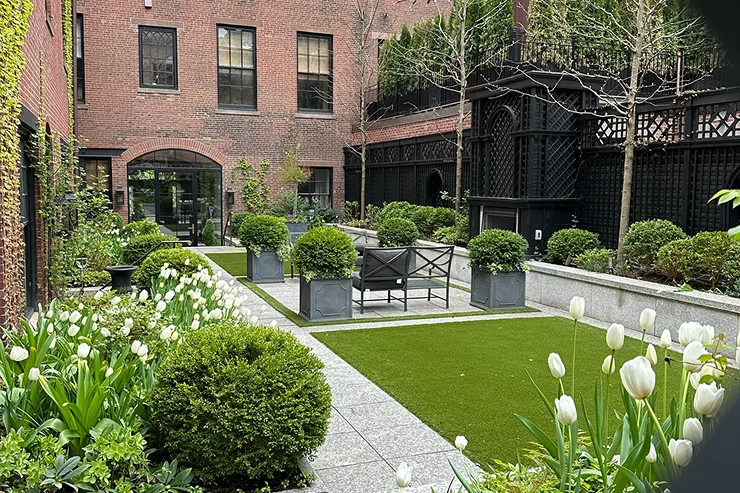
What we account for here
Lexington’s older beds often sit alongside stone walls, mature shade trees, and mixed perennial borders planted years apart. We look at soil compaction, drainage toward foundations, and how sun patterns shift across the season before touching a single plant.
- Root competition near established trees
- Deer pressure common in the area
- Existing bed lines and hardscape edges
Recent Lexington work
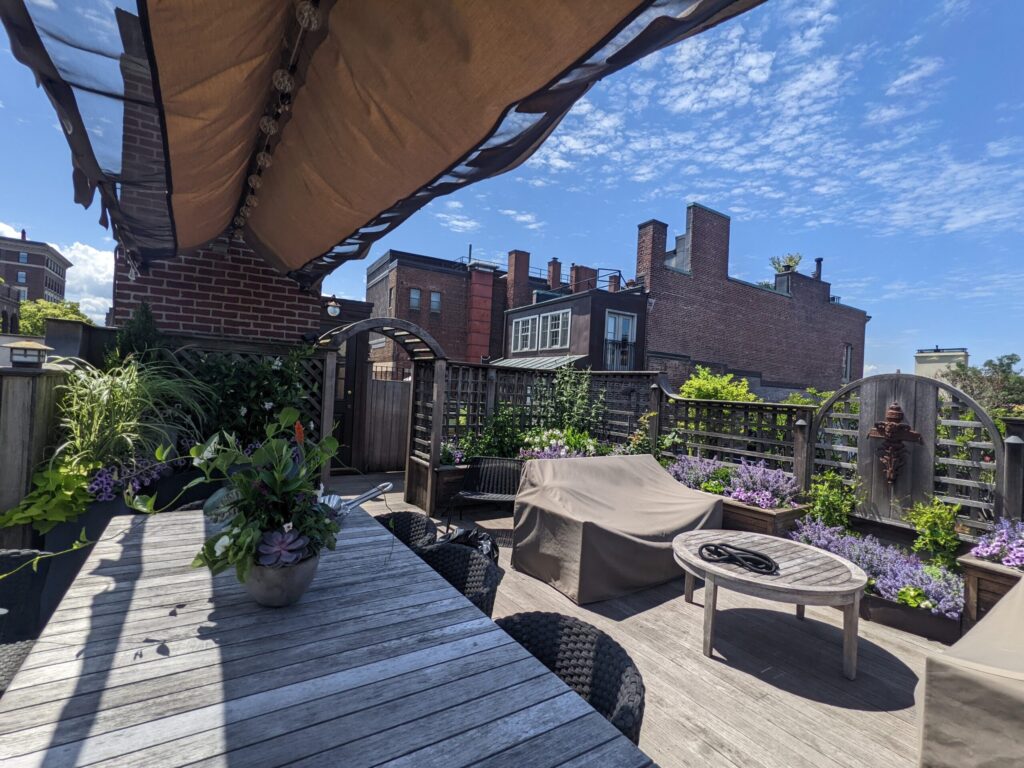
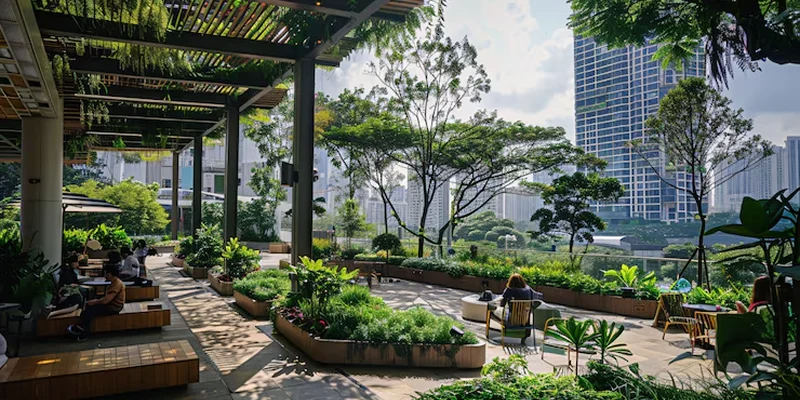
Recent work in Lexington has centered on renovating tired foundation beds at historic-district homes near the center — replacing overgrown, deer-damaged plantings with layered, period-appropriate combinations that hold up to full sun and browse pressure while still reading correctly against a colonial or Federal facade. We’ve also built out irrigation for larger estate-lot properties off Old Sudbury Road and Concord Avenue where hand-watering had become impractical across the scale of open, sun-exposed bed space. As with all our residential work, we don’t publish addresses or client names; ask us for examples relevant to your property type and we’ll walk through comparable projects during a consultation.
Other services we provide in Lexington
Fine gardening is usually one piece of a larger plan for these properties. We also handle garden services in Lexington more broadly, including seasonal design and installation for homeowners planning a fuller renovation rather than a maintenance refresh. Many of the same estate lots that need deer-resistant perennial beds also call on us for drip irrigation to manage that open-sun exposure efficiently, and for low-voltage landscape lighting that highlights stone walls, specimen trees, and entry gardens without running afoul of the historic district’s dark-sky and fixture-visibility preferences. Homes with terraces or raised patios often add containers and window boxes for portable color that doesn’t require review, since nothing is fixed to the structure. We coordinate all of it as one program so the deer fencing, the irrigation zones, and the planting plan are designed together rather than layered on top of each other after the fact.
Book fine gardening in Lexington
We work from our home base at 5 Crescent St in Lexington, about 10.2 miles from Lexington center, and we’re on-site regularly across the town’s historic core and its larger estate properties. The next step is a walk-through: we look at sun exposure, existing deer damage, and whether any part of the work touches the historic district, then put together a plan and a schedule. Call us to set that up, or send a note through the consultation request form and we’ll follow up to arrange a time.
A closer look at recent visits
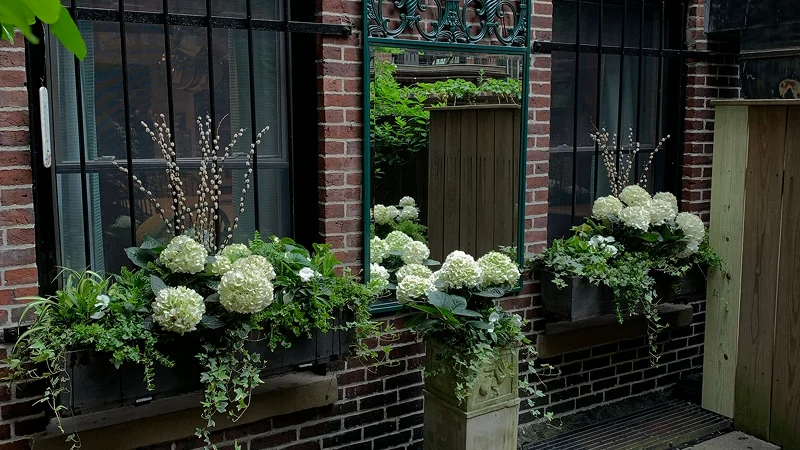
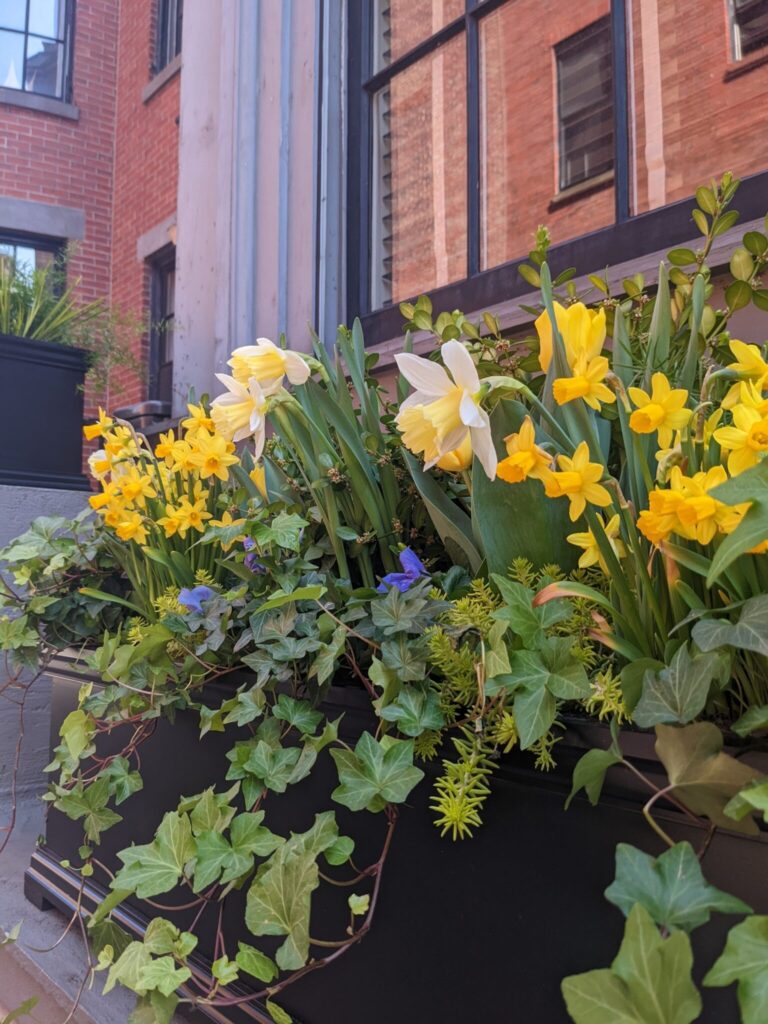
We don’t share client names or exact addresses, and we won’t pass off a stock photo as a real property. What we can describe honestly is the kind of fine-gardening work that keeps us busy in Lexington: a stone-walled front bed along a colonial-style facade, a shaded side yard with perennial borders, and a back patio with rotating container plantings. The rhythm is a recurring visit schedule through the growing season, covering deadheading, pruning, mulching, and seasonal color changes, with a thorough fall cleanup to close things out. Anything visible from the road gets a second look before we touch it. Ask on the call and we’ll walk through current Lexington work in more detail.
Other services we provide in Lexington
Fine gardening is just one piece of the work we take on for Lexington properties. When a bed or border has outgrown what regular maintenance can fix, our garden design and installation in Lexington team can rework the layout entirely, from soil preparation to plant selection suited to the property’s light and history. Many Lexington homes also have foundation plantings and stone walls that benefit from seasonal container displays, refreshed to match the changing look of the property.
For yards that struggle with uneven watering, drip irrigation in Lexington keeps every bed on a consistent schedule without dragging hoses across the lawn. Evenings on a Lexington property go further with low-voltage landscape lighting, which highlights stonework, specimen trees, and garden beds after dark.
For the full range of what we handle nearby, see our garden services in Lexington overview.
Schedule fine gardening care in Lexington
Ready for a garden that gets steady, expert attention all season long? Reach out to request a consultation and we will arrange a visit to your Lexington property. We will walk the beds with you, discuss what is thriving and what needs work, and note any conditions specific to your site.
You will then receive a clear written plan covering ongoing maintenance, seasonal tasks and any adjustments your garden calls for throughout the year.
What Our Customers Say
Frequently Asked Questions
Does fine gardening work in Lexington need historic district approval?
It depends on the property and what's visible from the street. Plantings themselves are rarely subject to formal review, but structural elements like new walls, fences, or major hardscape changes near the public way often are. We flag anything that might require a filing before we start and can prepare the documentation if needed.
How do you keep deer from destroying new plantings?
We combine plant selection — choosing perennials, shrubs, and bulbs deer generally avoid — with targeted physical protection like low-profile fencing or repellent programs for the most vulnerable specimens. In Lexington, where browse pressure is heavier than in most nearby towns, we treat deer resistance as a design requirement from the first plan, not an add-on after damage appears.
Our lot gets full sun most of the day. Does that change your plant choices?
Yes. Many Lexington properties on former open farmland get significantly more direct sun than comparable lots in shadier, more built-up towns. We select plants suited to that exposure and typically pair the planting plan with drip irrigation so beds aren't dependent on manual watering through hot stretches.
How often do you visit for maintenance once a garden is installed?
Visit frequency depends on the garden's complexity and the season, but most fine gardening clients see us on a regular recurring schedule through the growing season, with adjusted visits in spring and fall for cleanup and bed preparation. We set the schedule during the initial consultation based on your property.
Can you work with an existing landscaper on-site for other services?
Yes. Many Lexington clients have an existing lawn care or snow contractor and bring us in specifically for garden design, fine gardening, and related planting work. We coordinate schedules so there's no overlap or conflict on-site.