- Serving Boston and the Greater Boston Area

- Home
- Services
- Garden Design Services
- Landscape Design
- Urban Garden Design
- Rooftop Garden Installation
- Roof Deck Planting
- Container Gardening Services
- Seasonal Container Planting
- Window Boxes
- Fine Gardening
- Garden Maintenance
- Planting Maintenance
- Flower & Plant Installation
- Drip Irrigation Installation
- Landscape Lighting
- Service Areas
Charlestown, MA
- Garden Services in Charlestown, MA
- Garden Design in Charlestown, MA
- Landscape Design in Charlestown, MA
- Urban Garden Design in Charlestown, MA
- Rooftop Garden Installation in Charlestown, MA
- Roof Deck Planting in Charlestown, MA
- Container Gardening in Charlestown, MA
- Seasonal Container Planting in Charlestown, MA
- Flower & Plant Installation in Charlestown, MA
- Window Boxes in Charlestown, MA
- Fine Gardening in Charlestown, MA
- Garden Maintenance in Charlestown, MA
- Planting & Maintenance in Charlestown, MA
- Drip Irrigation Installation in Charlestown, MA
- Landscape Lighting in Charlestown, MA
North End, MA
- Garden Services in north-end, MA
- Garden Design in north-end, MA
- Landscape Design in north-end, MA
- Urban Garden Design in north-end, MA
- Rooftop Garden Installation in north-end, MA
- Roof Deck Planting in north-end, MA
- Container Gardening in north-end, MA
- Seasonal Container Planting in north-end, MA
- Flower & Plant Installation in north-end, MA
- Window Boxes in north-end, MA
- Fine Gardening in north-end, MA
- Garden Maintenance in north-end, MA
- Planting & Maintenance in north-end, MA
- Drip Irrigation Installation in north-end, MA
- Landscape Lighting in north-end, MA
Downtown Boston, MA
- Garden Services in downtown boston, MA
- Garden Design in downtown boston, MA
- Landscape Design in downtown boston, MA
- Urban Garden Design in downtown boston, MA
- Rooftop Garden Installation in downtown boston, MA
- Roof Deck Planting in downtown boston, MA
- Container Gardening in downtown boston, MA
- Seasonal Container Planting in downtown boston, MA
- Flower & Plant Installation in downtown boston, MA
- Window Boxes in downtown boston, MA
- Fine Gardening in downtown boston, MA
- Garden Maintenance in downtown boston, MA
- Planting & Maintenance in downtown boston, MA
- Drip Irrigation Installation in downtown boston, MA
- Landscape Lighting in downtown boston, MA
Beacon Hill, MA
- Garden Services in beacon hill, MA
- Garden Design in beacon hill, MA
- Landscape Design in beacon hill, MA
- Urban Garden Design in beacon hill, MA
- Rooftop Garden Installation in beacon hill, MA
- Roof Deck Planting in beacon hill, MA
- Container Gardening in beacon hill, MA
- Seasonal Container Planting in beacon hill, MA
- Flower & Plant Installation in beacon hill, MA
- Window Boxes in beacon hill, MA
- Fine Gardening in beacon hill, MA
- Garden Maintenance in beacon hill, MA
- Planting & Maintenance in beacon hill, MA
- Drip Irrigation Installation in beacon hill, MA
- Landscape Lighting in beacon hill, MA
Boston, MA
- Garden Services in boston, MA
- Garden Design in boston, MA
- Landscape Design in boston, MA
- Urban Garden Design in boston, MA
- Rooftop Garden Installation in boston, MA
- Roof Deck Planting in boston, MA
- Container Gardening in boston, MA
- Seasonal Container Planting in boston, MA
- Flower & Plant Installation in boston, MA
- Window Boxes in boston, MA
- Fine Gardening in boston, MA
- Garden Maintenance in boston, MA
- Planting & Maintenance in boston, MA
- Drip Irrigation Installation in boston, MA
- Landscape Lighting in boston, MA
seaport, MA
- Garden Services in seaport, MA
- Garden Design in seaport, MA
- Landscape Design in seaport, MA
- Urban Garden Design in seaport, MA
- Rooftop Garden Installation in seaport, MA
- Roof Deck Planting in seaport, MA
- Container Gardening in seaport, MA
- Seasonal Container Planting in seaport, MA
- Flower & Plant Installation in seaport, MA
- Window Boxes in seaport, MA
- Fine Gardening in seaport, MA
- Garden Maintenance in seaport, MA
- Planting & Maintenance in seaport, MA
- Drip Irrigation Installation in seaport, MA
- Landscape Lighting in seaport, MA
back bay, MA
- Garden Services in back bay, MA
- Garden Design in back bay, MA
- Landscape Design in back bay, MA
- Urban Garden Design in back bay, MA
- Rooftop Garden Installation in back bay, MA
- Roof Deck Planting in back bay, MA
- Container Gardening in back bay, MA
- Seasonal Container Planting in back bay, MA
- Flower & Plant Installation in back bay, MA
- Window Boxes in back bay, MA
- Fine Gardening in back bay, MA
- Garden Maintenance in back bay, MA
- Planting & Maintenance in back bay, MA
- Drip Irrigation Installation in back bay, MA
- Landscape Lighting in back bay, MA
cambridge, MA
- Garden Services in cambridge, MA
- Garden Design in cambridge, MA
- Landscape Design in cambridge, MA
- Urban Garden Design in cambridge, MA
- Rooftop Garden Installation in cambridge, MA
- Roof Deck Planting in cambridge, MA
- Container Gardening in cambridge, MA
- Seasonal Container Planting in cambridge, MA
- Flower & Plant Installation in cambridge, MA
- Window Boxes in cambridge, MA
- Fine Gardening in cambridge, MA
- Garden Maintenance in cambridge, MA
- Planting & Maintenance in cambridge, MA
- Drip Irrigation Installation in cambridge, MA
- Landscape Lighting in cambridge, MA
south-end, MA
- Garden Services in south-end, MA
- Garden Design in south-end, MA
- Landscape Design in south-end, MA
- Urban Garden Design in south-end, MA
- Rooftop Garden Installation in south-end, MA
- Roof Deck Planting in south-end, MA
- Container Gardening in south-end, MA
- Seasonal Container Planting in south-end, MA
- Flower & Plant Installation in south-end, MA
- Window Boxes in south-end, MA
- Fine Gardening in south-end, MA
- Garden Maintenance in south-end, MA
- Planting & Maintenance in south-end, MA
- Drip Irrigation Installation in south-end, MA
- Landscape Lighting in south-end, MA
brookline, MA
- Garden Services in brookline, MA
- Garden Design in brookline, MA
- Landscape Design in brookline, MA
- Urban Garden Design in brookline, MA
- Rooftop Garden Installation in brookline, MA
- Roof Deck Planting in brookline, MA
- Container Gardening in brookline, MA
- Seasonal Container Planting in brookline, MA
- Flower & Plant Installation in brookline, MA
- Window Boxes in brookline, MA
- Fine Gardening in brookline, MA
- Garden Maintenance in brookline, MA
- Planting & Maintenance in brookline, MA
- Drip Irrigation Installation in brookline, MA
- Landscape Lighting in brookline, MA
winchester, MA
- Garden Services in winchester, MA
- Garden Design in winchester, MA
- Landscape Design in winchester, MA
- Urban Garden Design in winchester, MA
- Rooftop Garden Installation in winchester, MA
- Roof Deck Planting in winchester, MA
- Container Gardening in winchester, MA
- Seasonal Container Planting in winchester, MA
- Flower & Plant Installation in winchester, MA
- Window Boxes in winchester, MA
- Fine Gardening in winchester, MA
- Garden Maintenance in winchester, MA
- Planting & Maintenance in winchester, MA
- Drip Irrigation Installation in winchester, MA
- Landscape Lighting in winchester, MA
newton, MA
- Garden Services in newton, MA
- Garden Design in newton, MA
- Landscape Design in newton, MA
- Urban Garden Design in newton, MA
- Rooftop Garden Installation in newton, MA
- Roof Deck Planting in newton, MA
- Container Gardening in newton, MA
- Seasonal Container Planting in newton, MA
- Flower & Plant Installation in newton, MA
- Window Boxes in newton, MA
- Fine Gardening in newton, MA
- Garden Maintenance in newton, MA
- Planting & Maintenance in newton, MA
- Drip Irrigation Installation in newton, MA
- Landscape Lighting in newton, MA
lexington, MA
- Garden Services in lexington, MA
- Garden Design in lexington, MA
- Landscape Design in lexington, MA
- Urban Garden Design in lexington, MA
- Rooftop Garden Installation in lexington, MA
- Roof Deck Planting in lexington, MA
- Container Gardening in lexington, MA
- Seasonal Container Planting newton, MA
- Flower & Plant Installation in lexington, MA
- Window Boxes in lexington, MA
- Fine Gardening in lexington, MA
- Garden Maintenance in lexington, MA
- Planting & Maintenance in lexington, MA
- Drip Irrigation Installation in lexington, MA
- Landscape Lighting in lexington, MA
weston, MA
- Garden Services in weston, MA
- Garden Design in weston, MA
- Landscape Design in weston, MA
- Urban Garden Design in weston, MA
- Rooftop Garden Installation in weston, MA
- Roof Deck Planting in weston, MA
- Container Gardening in weston, MA
- Seasonal Container Planting weston, MA
- Flower & Plant Installation in weston, MA
- Window Boxes in weston, MA
- Fine Gardening in weston, MA
- Garden Maintenance in weston, MA
- Planting & Maintenance in weston, MA
- Drip Irrigation Installation in weston, MA
- Landscape Lighting in weston, MA
wellesley, MA
- Garden Services in wellesley, MA
- Garden Design in wellesley, MA
- Landscape Design in wellesley, MA
- Urban Garden Design in wellesley, MA
- Rooftop Garden Installation in wellesley, MA
- Roof Deck Planting in wellesley, MA
- Container Gardening in wellesley, MA
- Seasonal Container Planting wellesley, MA
- Flower & Plant Installation in wellesley, MA
- Window Boxes in wellesley, MA
- Fine Gardening in wellesley, MA
- Garden Maintenance in wellesley, MA
- Planting & Maintenance in wellesley, MA
- Drip Irrigation Installation in wellesley, MA
- Landscape Lighting in wellesley, MA
- Portfolio
- About us
- Blog
- Contact
- Flower Delivery
Drip Irrigation Installation in Weston, MA
A two-acre lot under mature oak and white pine does not water itself evenly, and a sprinkler head aimed across a Weston lawn will miss more of the root zone than it hits once tree canopy and understory planting are factored in. Add the town’s deer population, which will strip a newly installed bed faster than it can establish, and the case for drip over spray becomes obvious within a season. Long supply runs from the house to back-lot planting beds also mean pressure loss is a real design problem here, not an afterthought.

What Drip Irrigation Installation looks like in Weston
Weston’s lots are large by any Boston-suburb standard, and that changes the engineering before it changes the planting design. A drip system feeding a perennial border 200 feet from the nearest spigot needs pressure-compensating emitters and, often, a dedicated zone valve just to keep flow consistent from the first plant to the last. We map these runs at the design stage rather than discovering the shortfall after installation.
Shade is the second variable that shapes almost every job we do in town. Under heavy tree cover, soil stays damp longer and dries unevenly — patches near root flares pull moisture away from nearby beds. Drip lines let us water by planting zone rather than by lawn zone, so a shade-tolerant hosta bed gets a different schedule than a sun-exposed cutting garden thirty feet away, on the same controller.
Deer are the third factor, and they influence more than plant selection. Newly disturbed soil and fresh mulch around a drip installation draw browsing activity, so we finish beds promptly and, where a client is planting anything deer find palatable, we coordinate irrigation timing with fencing or repellent programs already in place. Soil on many Weston properties is glacial till with ledge close to the surface in places, which affects trenching depth and where we can run mainline without hitting rock. We test dig before committing to a layout rather than guessing from a plot plan.
What we account for here
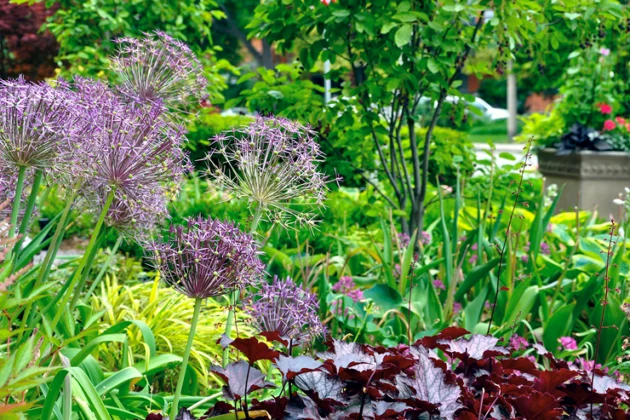
What we account for here
Four conditions come up on nearly every Weston irrigation project, and each one changes a specific part of the design.
Long runs from the house
Estate-scale lots often place the best planting locations — a shaded woodland edge, a back lawn perimeter bed — well away from the nearest water source. We size mainline and use pressure-compensating drip components so the emitter at the far end of a 200-foot run delivers the same output as the one closest to the valve. Skipping this step is the most common cause of drip systems that work for six months and then under-water the far corner.
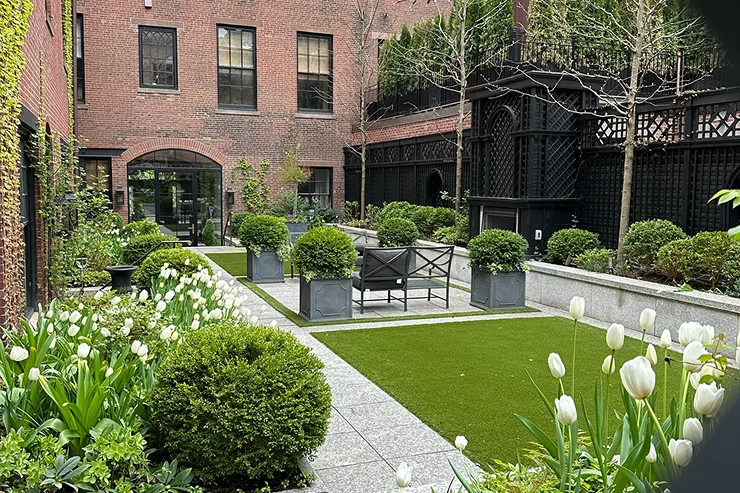
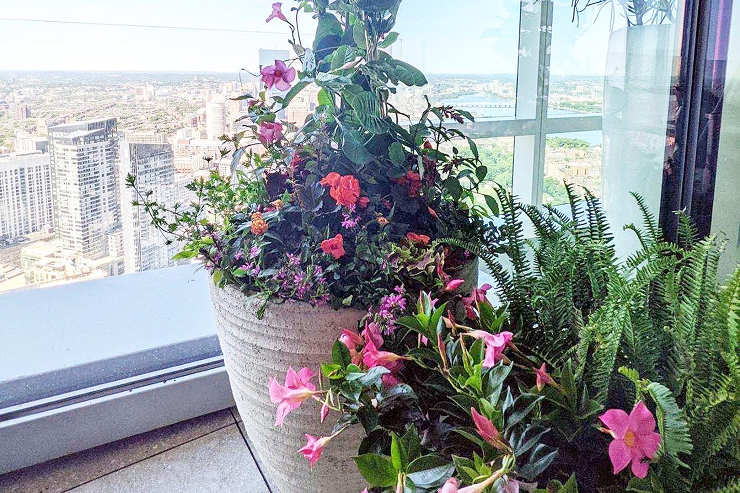
Extensive shade from mature canopy
Large hardwoods change evaporation rates, root competition, and soil moisture retention across a single bed. We zone drip lines by canopy coverage rather than by bed shape alone, so areas competing with tree roots for water get a schedule that accounts for that competition instead of one blanket cycle for the whole property.
Deer pressure on new plantings
Freshly irrigated, freshly mulched beds are exactly what deer investigate first. We sequence installation and planting to minimize the window of exposure, and on properties with active deer damage we coordinate directly with whoever manages fencing or repellent applications so the irrigation schedule doesn’t work against that effort.
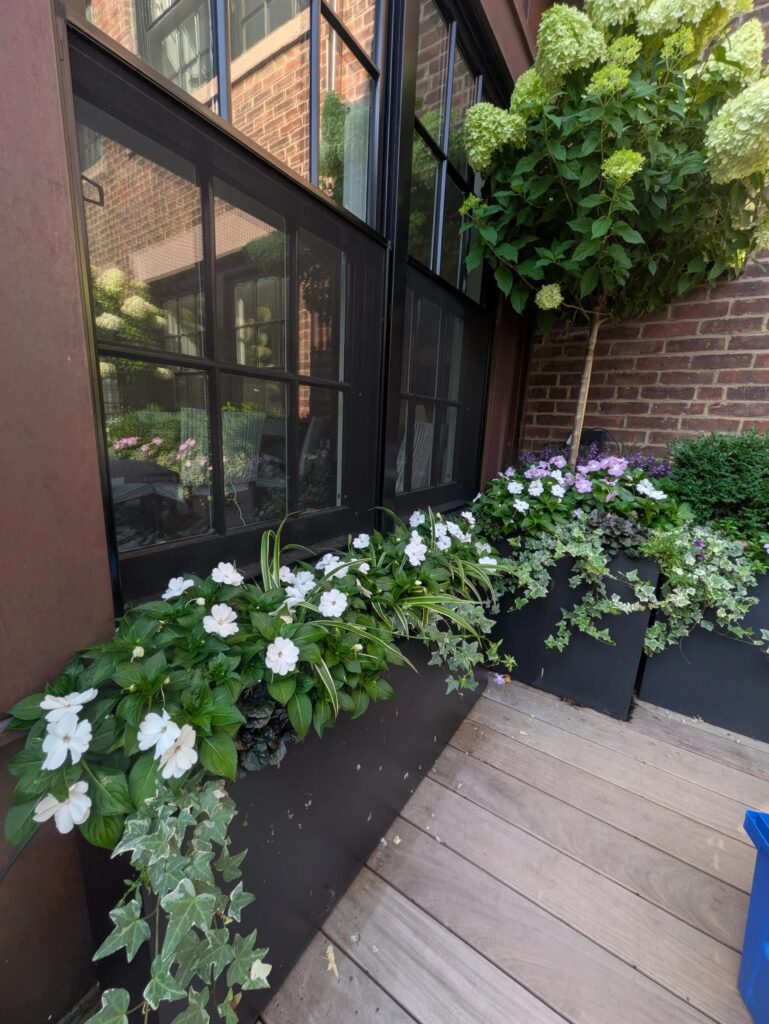
Ledge and glacial till soil
Much of Weston sits on shallow bedrock and dense, rock-heavy soil left by glacial deposits. Trenching for mainline has to route around exposed ledge, and we test dig ahead of finalizing a layout so the plan we install matches what’s actually underground rather than what a plot plan suggests.
Recent Weston work
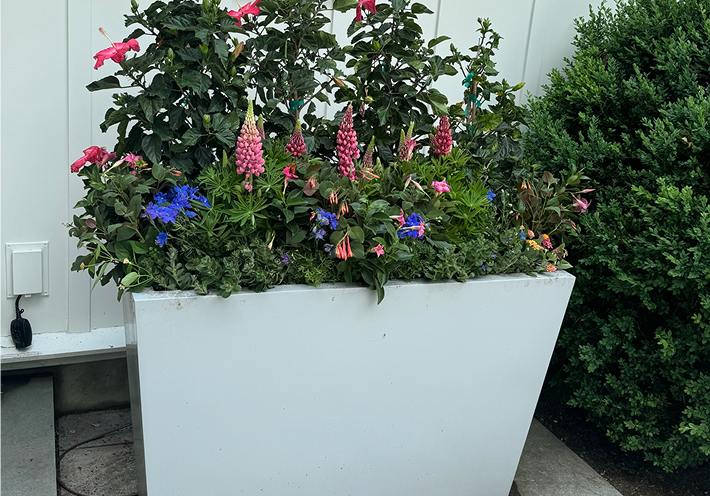
A recent project on a wooded Weston lot involved converting a failing sprinkler zone under mature shade trees to a drip system serving a mixed hosta and fern bed, with a separate zone added for a sunnier perennial border near the drive — two schedules on one controller, run off a single long mainline extension from the house. Work like this is typical of what we do on estate-scale properties in town: fewer, smarter zones rather than more sprinkler heads.
Other services we provide in Weston
Drip irrigation is usually one part of a broader plan for Weston properties. We also provide full garden design and installation services in Weston, along with fine gardening and season-long maintenance for estate perennial borders and woodland edges. Many of the same properties ask us for low-voltage landscape lighting to define a drive or a wooded path after dark, container and window box plantings for entry courts and terraces, and roof deck or terrace planting where the site allows it. If your project spans more than irrigation, we scope it as one plan rather than a series of separate visits.
Start with a consultation in Weston
Weston is roughly 13.8 miles from our Weston location, and we work throughout the town regularly enough to know which streets run into ledge and which lots have the heaviest deer pressure. The next step is a site visit: we walk the property, note canopy, slope, existing water sources, and any problem beds, then put together a zoned drip plan with a clear scope and timeline before any digging starts. Call to schedule a consultation and we’ll take it from there.
What Our Customers Say
Frequently Asked Questions
Does drip irrigation work under heavy tree canopy in Weston?
Yes, and it typically works better than spray irrigation in shaded conditions. Drip lines deliver water directly to the root zone of specific plants rather than across a canopy-covered lawn, which avoids the uneven wetting patterns that heavy shade and root competition tend to cause.
Will a new drip system attract deer to my beds?
Fresh soil disturbance and mulch, not the irrigation itself, are what typically draw deer to a newly installed bed. We coordinate installation timing with planting and, where deer pressure is active, with any fencing or repellent measures already in place on the property.
Can drip irrigation reach planting beds far from the house?
On Weston's larger lots, yes, but the mainline and emitter selection have to be sized for the distance. We use pressure-compensating components on long runs so beds at the far end of the property receive the same water volume as beds near the source.
How does Weston's soil affect installation?
Much of Weston has glacial till with ledge close to the surface in places, which limits trenching depth and route options. We test dig before finalizing a layout so the installed system matches actual underground conditions rather than assumptions from a plot plan.
Do you install drip irrigation for properties under historic commission review?
We work with a number of Weston properties that have review requirements tied to conservation or historic districts. Drip systems are generally low-impact since lines run below grade or under mulch, but we account for any specific site requirements during the initial consultation.