- Serving Boston and the Greater Boston Area

- Home
- Services
- Garden Design Services
- Landscape Design
- Urban Garden Design
- Rooftop Garden Installation
- Roof Deck Planting
- Container Gardening Services
- Seasonal Container Planting
- Window Boxes
- Fine Gardening
- Garden Maintenance
- Planting Maintenance
- Flower & Plant Installation
- Drip Irrigation Installation
- Landscape Lighting
- Service Areas
Charlestown, MA
- Garden Services in Charlestown, MA
- Garden Design in Charlestown, MA
- Landscape Design in Charlestown, MA
- Urban Garden Design in Charlestown, MA
- Rooftop Garden Installation in Charlestown, MA
- Roof Deck Planting in Charlestown, MA
- Container Gardening in Charlestown, MA
- Seasonal Container Planting in Charlestown, MA
- Flower & Plant Installation in Charlestown, MA
- Window Boxes in Charlestown, MA
- Fine Gardening in Charlestown, MA
- Garden Maintenance in Charlestown, MA
- Planting & Maintenance in Charlestown, MA
- Drip Irrigation Installation in Charlestown, MA
- Landscape Lighting in Charlestown, MA
North End, MA
- Garden Services in north-end, MA
- Garden Design in north-end, MA
- Landscape Design in north-end, MA
- Urban Garden Design in north-end, MA
- Rooftop Garden Installation in north-end, MA
- Roof Deck Planting in north-end, MA
- Container Gardening in north-end, MA
- Seasonal Container Planting in north-end, MA
- Flower & Plant Installation in north-end, MA
- Window Boxes in north-end, MA
- Fine Gardening in north-end, MA
- Garden Maintenance in north-end, MA
- Planting & Maintenance in north-end, MA
- Drip Irrigation Installation in north-end, MA
- Landscape Lighting in north-end, MA
Downtown Boston, MA
- Garden Services in downtown boston, MA
- Garden Design in downtown boston, MA
- Landscape Design in downtown boston, MA
- Urban Garden Design in downtown boston, MA
- Rooftop Garden Installation in downtown boston, MA
- Roof Deck Planting in downtown boston, MA
- Container Gardening in downtown boston, MA
- Seasonal Container Planting in downtown boston, MA
- Flower & Plant Installation in downtown boston, MA
- Window Boxes in downtown boston, MA
- Fine Gardening in downtown boston, MA
- Garden Maintenance in downtown boston, MA
- Planting & Maintenance in downtown boston, MA
- Drip Irrigation Installation in downtown boston, MA
- Landscape Lighting in downtown boston, MA
Beacon Hill, MA
- Garden Services in beacon hill, MA
- Garden Design in beacon hill, MA
- Landscape Design in beacon hill, MA
- Urban Garden Design in beacon hill, MA
- Rooftop Garden Installation in beacon hill, MA
- Roof Deck Planting in beacon hill, MA
- Container Gardening in beacon hill, MA
- Seasonal Container Planting in beacon hill, MA
- Flower & Plant Installation in beacon hill, MA
- Window Boxes in beacon hill, MA
- Fine Gardening in beacon hill, MA
- Garden Maintenance in beacon hill, MA
- Planting & Maintenance in beacon hill, MA
- Drip Irrigation Installation in beacon hill, MA
- Landscape Lighting in beacon hill, MA
Boston, MA
- Garden Services in boston, MA
- Garden Design in boston, MA
- Landscape Design in boston, MA
- Urban Garden Design in boston, MA
- Rooftop Garden Installation in boston, MA
- Roof Deck Planting in boston, MA
- Container Gardening in boston, MA
- Seasonal Container Planting in boston, MA
- Flower & Plant Installation in boston, MA
- Window Boxes in boston, MA
- Fine Gardening in boston, MA
- Garden Maintenance in boston, MA
- Planting & Maintenance in boston, MA
- Drip Irrigation Installation in boston, MA
- Landscape Lighting in boston, MA
seaport, MA
- Garden Services in seaport, MA
- Garden Design in seaport, MA
- Landscape Design in seaport, MA
- Urban Garden Design in seaport, MA
- Rooftop Garden Installation in seaport, MA
- Roof Deck Planting in seaport, MA
- Container Gardening in seaport, MA
- Seasonal Container Planting in seaport, MA
- Flower & Plant Installation in seaport, MA
- Window Boxes in seaport, MA
- Fine Gardening in seaport, MA
- Garden Maintenance in seaport, MA
- Planting & Maintenance in seaport, MA
- Drip Irrigation Installation in seaport, MA
- Landscape Lighting in seaport, MA
back bay, MA
- Garden Services in back bay, MA
- Garden Design in back bay, MA
- Landscape Design in back bay, MA
- Urban Garden Design in back bay, MA
- Rooftop Garden Installation in back bay, MA
- Roof Deck Planting in back bay, MA
- Container Gardening in back bay, MA
- Seasonal Container Planting in back bay, MA
- Flower & Plant Installation in back bay, MA
- Window Boxes in back bay, MA
- Fine Gardening in back bay, MA
- Garden Maintenance in back bay, MA
- Planting & Maintenance in back bay, MA
- Drip Irrigation Installation in back bay, MA
- Landscape Lighting in back bay, MA
cambridge, MA
- Garden Services in cambridge, MA
- Garden Design in cambridge, MA
- Landscape Design in cambridge, MA
- Urban Garden Design in cambridge, MA
- Rooftop Garden Installation in cambridge, MA
- Roof Deck Planting in cambridge, MA
- Container Gardening in cambridge, MA
- Seasonal Container Planting in cambridge, MA
- Flower & Plant Installation in cambridge, MA
- Window Boxes in cambridge, MA
- Fine Gardening in cambridge, MA
- Garden Maintenance in cambridge, MA
- Planting & Maintenance in cambridge, MA
- Drip Irrigation Installation in cambridge, MA
- Landscape Lighting in cambridge, MA
south-end, MA
- Garden Services in south-end, MA
- Garden Design in south-end, MA
- Landscape Design in south-end, MA
- Urban Garden Design in south-end, MA
- Rooftop Garden Installation in south-end, MA
- Roof Deck Planting in south-end, MA
- Container Gardening in south-end, MA
- Seasonal Container Planting in south-end, MA
- Flower & Plant Installation in south-end, MA
- Window Boxes in south-end, MA
- Fine Gardening in south-end, MA
- Garden Maintenance in south-end, MA
- Planting & Maintenance in south-end, MA
- Drip Irrigation Installation in south-end, MA
- Landscape Lighting in south-end, MA
brookline, MA
- Garden Services in brookline, MA
- Garden Design in brookline, MA
- Landscape Design in brookline, MA
- Urban Garden Design in brookline, MA
- Rooftop Garden Installation in brookline, MA
- Roof Deck Planting in brookline, MA
- Container Gardening in brookline, MA
- Seasonal Container Planting in brookline, MA
- Flower & Plant Installation in brookline, MA
- Window Boxes in brookline, MA
- Fine Gardening in brookline, MA
- Garden Maintenance in brookline, MA
- Planting & Maintenance in brookline, MA
- Drip Irrigation Installation in brookline, MA
- Landscape Lighting in brookline, MA
winchester, MA
- Garden Services in winchester, MA
- Garden Design in winchester, MA
- Landscape Design in winchester, MA
- Urban Garden Design in winchester, MA
- Rooftop Garden Installation in winchester, MA
- Roof Deck Planting in winchester, MA
- Container Gardening in winchester, MA
- Seasonal Container Planting in winchester, MA
- Flower & Plant Installation in winchester, MA
- Window Boxes in winchester, MA
- Fine Gardening in winchester, MA
- Garden Maintenance in winchester, MA
- Planting & Maintenance in winchester, MA
- Drip Irrigation Installation in winchester, MA
- Landscape Lighting in winchester, MA
newton, MA
- Garden Services in newton, MA
- Garden Design in newton, MA
- Landscape Design in newton, MA
- Urban Garden Design in newton, MA
- Rooftop Garden Installation in newton, MA
- Roof Deck Planting in newton, MA
- Container Gardening in newton, MA
- Seasonal Container Planting in newton, MA
- Flower & Plant Installation in newton, MA
- Window Boxes in newton, MA
- Fine Gardening in newton, MA
- Garden Maintenance in newton, MA
- Planting & Maintenance in newton, MA
- Drip Irrigation Installation in newton, MA
- Landscape Lighting in newton, MA
lexington, MA
- Garden Services in lexington, MA
- Garden Design in lexington, MA
- Landscape Design in lexington, MA
- Urban Garden Design in lexington, MA
- Rooftop Garden Installation in lexington, MA
- Roof Deck Planting in lexington, MA
- Container Gardening in lexington, MA
- Seasonal Container Planting newton, MA
- Flower & Plant Installation in lexington, MA
- Window Boxes in lexington, MA
- Fine Gardening in lexington, MA
- Garden Maintenance in lexington, MA
- Planting & Maintenance in lexington, MA
- Drip Irrigation Installation in lexington, MA
- Landscape Lighting in lexington, MA
weston, MA
- Garden Services in weston, MA
- Garden Design in weston, MA
- Landscape Design in weston, MA
- Urban Garden Design in weston, MA
- Rooftop Garden Installation in weston, MA
- Roof Deck Planting in weston, MA
- Container Gardening in weston, MA
- Seasonal Container Planting weston, MA
- Flower & Plant Installation in weston, MA
- Window Boxes in weston, MA
- Fine Gardening in weston, MA
- Garden Maintenance in weston, MA
- Planting & Maintenance in weston, MA
- Drip Irrigation Installation in weston, MA
- Landscape Lighting in weston, MA
wellesley, MA
- Garden Services in wellesley, MA
- Garden Design in wellesley, MA
- Landscape Design in wellesley, MA
- Urban Garden Design in wellesley, MA
- Rooftop Garden Installation in wellesley, MA
- Roof Deck Planting in wellesley, MA
- Container Gardening in wellesley, MA
- Seasonal Container Planting wellesley, MA
- Flower & Plant Installation in wellesley, MA
- Window Boxes in wellesley, MA
- Fine Gardening in wellesley, MA
- Garden Maintenance in wellesley, MA
- Planting & Maintenance in wellesley, MA
- Drip Irrigation Installation in wellesley, MA
- Landscape Lighting in wellesley, MA
- Portfolio
- About us
- Blog
- Contact
- Flower Delivery
Drip Irrigation Installation in North End, MA
There is almost no ground-level soil in the North End, which means almost none of your plantings are watering themselves from the ground up. Roof decks, fire-escape containers and window boxes are doing the entire job of greening a property here, and every one of them dries out faster than a backyard bed because they are elevated, exposed, and often just a few inches of soil volume. Add the wind that comes off the harbor and funnels between the brick buildings, and containers that looked hydrated at noon can be bone dry by evening. Drip irrigation is not a convenience in this neighborhood. It is what keeps plantings alive between visits.

What Drip Irrigation Installation looks like in North End
A drip system in the North End is built around containers and rails, not lawns and beds, because there is rarely a patch of open ground to run a zone through. That changes the whole approach. Instead of trenching supply lines across a yard, we run discreet tubing along railings, up through deck boards, and into window box liners, feeding each container its own emitter or micro-drip line calibrated to its size and sun exposure. A six-inch window box on a shaded Hanover Street façade needs a different flow rate than a forty-inch planter catching full afternoon sun on a roof deck three stories up.
Wind is the variable that separates North End irrigation work from almost anywhere else we install. Roof decks here catch gusts that pull moisture out of soil at a rate ground-level gardens never experience, so we oversize reservoir capacity where we can and set run times to compensate for evaporative loss rather than average bloom-season need. We also secure every line so it cannot whip loose and knock a fitting off in a nor’easter.
Material access is the other constant. Many buildings here have alleys too narrow for a truck, stairwells with sharp turns, and no service elevator. We plan deliveries in stages, hand-carry components where a hand truck won’t fit, and sequence the install so nothing sits blocking a shared entry longer than necessary. It takes more coordination than a suburban install, and we build that time into the schedule rather than discovering it on-site.
What we account for here
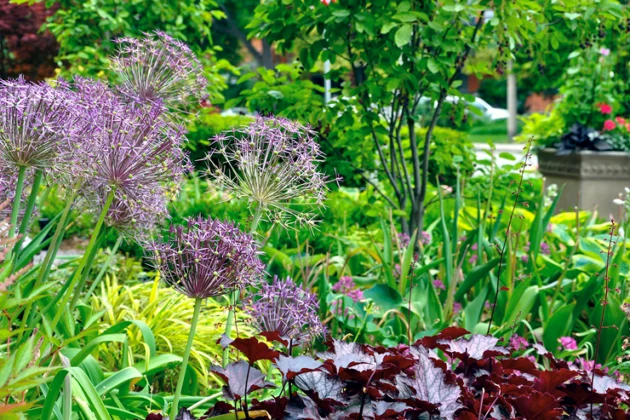
What we account for here
Four constraints show up on nearly every North End job, and each one changes how we design and install the system.
Roof deck wind exposure
Upper-floor decks lose water fast in wind. We use pressure-compensating emitters so flow stays even across a run even when supply pressure varies, and we bias watering schedules toward early morning to reduce midday evaporative loss.
Fire-escape and window box weight limits
Fire escapes and older window brackets have real load limits. We keep reservoirs and tubing lightweight, favor slim in-line drippers over bulkier stake emitters, and confirm hardware anchoring before running any line that adds weight to a rail.
Alley and stairwell access
Narrow alleys off Salem, Prince, and Fleet Streets rule out large equipment. We size every component to fit through standard doorways and up tight stairwells, and we schedule work in windows that don’t block shared building access.
Historic façade and streetscape sensitivity
Many North End buildings sit inside a historic district, and street-facing installations get noticed. We keep tubing and fittings out of view from the sidewalk wherever possible, running lines behind rails and inside box liners rather than across visible brickwork.
Recent North End work
A typical recent project type in this neighborhood: a multi-unit building near the Freedom Trail with window boxes on three floors and a small roof deck above, none of it reachable by hose without someone climbing stairs daily. We ran a single low-flow drip system fed from a rooftop reservoir, zoned separately for the shaded street-side boxes and the sun-heavy deck planters, and set it on a timer so the property manager stopped fielding complaints about wilted boxes by midweek. It is the same basic problem we solve on most North End calls: too many containers, too little ground, and no practical way to hand-water them all.
Other services we provide in North End
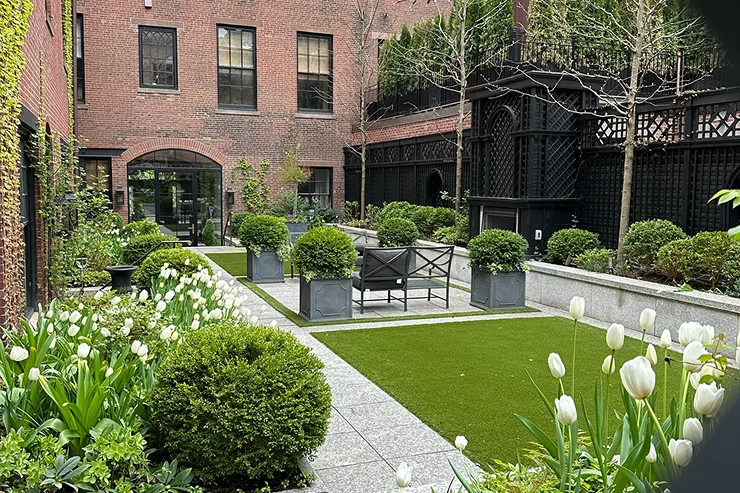
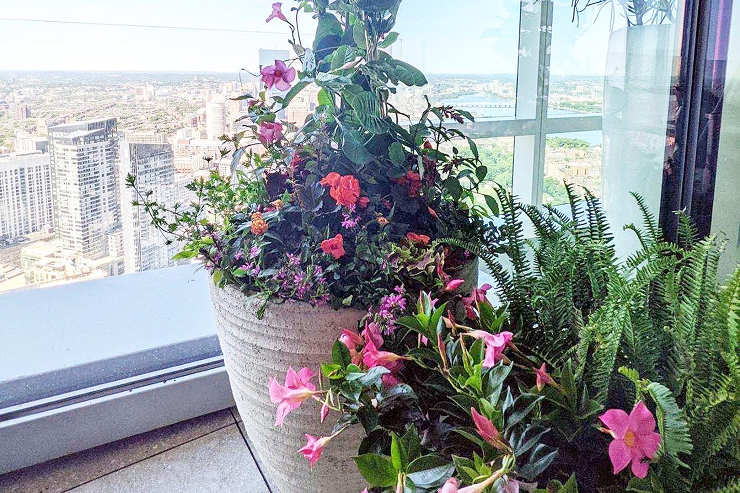
Drip irrigation is usually one piece of a larger planting plan in this neighborhood, and we handle the rest of it too. If the containers driving your water needs also need a design refresh, our garden services in North End cover the full range: garden design and installation for tight courtyards and street frontages, fine gardening and ongoing maintenance so containers stay full through the season, custom containers and window boxes sized for fire escapes and sills, roof deck and terrace planting for the upper-floor spaces that need the most water discipline, and low-voltage landscape lighting for decks and entries once the plantings are established. Most North End clients start with one service and add irrigation once they see how fast wind and sun exposure work against hand-watering.
How this compares across nearby neighborhoods
The core engineering — pressure-compensating emitters, container-specific zoning, discreet routing — carries across our service area, but the constraints shift block by block. We install the same category of system a mile and a half away for drip irrigation installation in Downtown Boston, where loading docks and building management add a different layer of coordination, and back home in drip irrigation installation in North End, where exposed slopes and Navy Yard salt air are the dominant factors instead of alley width. If you’re comparing options across the wider city, our drip irrigation installation in Boston page covers the full picture.
Reservoir sizing and refill logistics
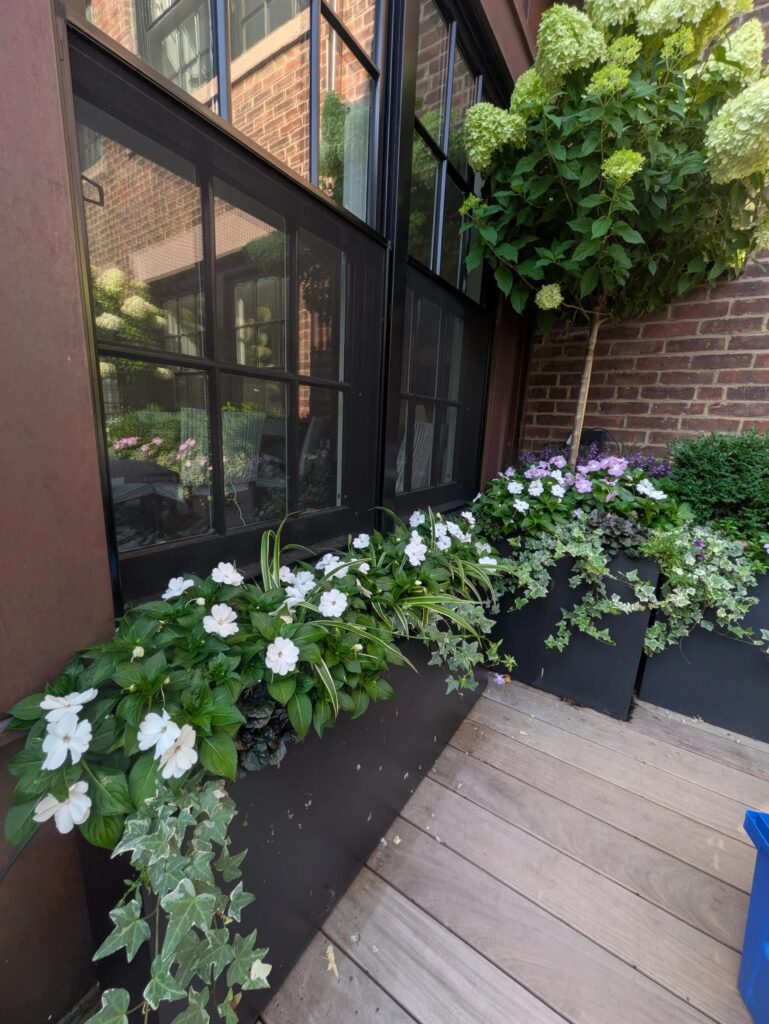
Because so much North End planting happens in containers rather than in-ground beds, reservoir capacity matters more here than almost anywhere else we work. A system that’s perfectly sized for a suburban garden bed will run dry in half the time on a wind-scoured roof deck. We calculate reservoir volume against realistic worst-case evaporation, not average conditions, and we place refill points where a building super or property manager can actually reach them without hauling water up multiple flights. On buildings with no rooftop water line, that sometimes means a small dedicated tank fed on a schedule rather than a continuous supply run, which keeps the system independent of any temporary shutoff elsewhere in the building.
Working around shared buildings and tenants
Multi-unit North End properties come with a layer most single-family jobs don’t: shared entries, multiple tenants, and management companies that need advance notice before any work touches common areas. We coordinate installation windows around building schedules, keep noise and foot traffic disruption to a minimum in narrow stairwells, and document what was installed so a new property manager inheriting the building later has a clear reference instead of a mystery system.
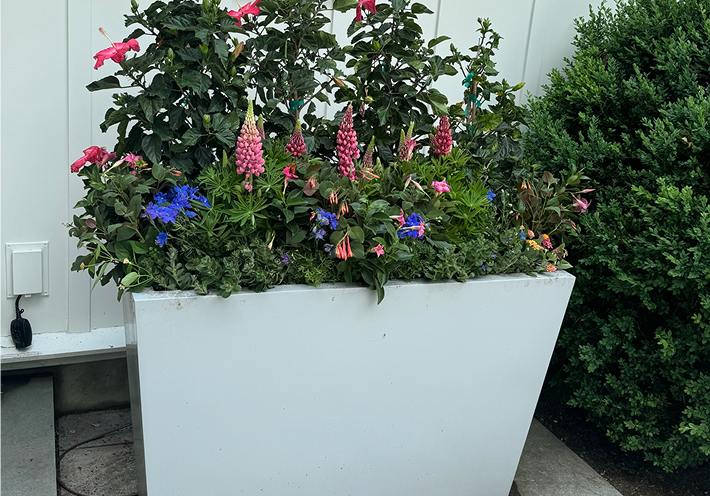
Start with a consultation in North End
North End is about 1.2 miles from our North End base at 5 Crescent St, and we’re in the neighborhood regularly for exactly this kind of container and roof deck work. Call to set up a consultation — we’ll walk the property, look at what’s struggling and why, and give you a straightforward plan for a system built to handle the wind and access realities of your specific building. From there, installation is typically scheduled within a few weeks, timed around your building’s access constraints.
What Our Customers Say
Frequently Asked Questions
Can drip irrigation actually work on a North End fire escape or narrow window box?
Yes. We use slim in-line drippers rather than bulky stake emitters specifically because they fit shallow window boxes and don't add meaningful weight to fire-escape rails. Flow rates are set per container based on size and sun exposure rather than a single blanket setting.
How do you get equipment into buildings with no elevator and narrow alleys?
We size components to move through standard doorways and stairwells and hand-carry materials in stages rather than relying on hand trucks or bulk deliveries. Jobs are scheduled with enough time built in for that logistics work, so it doesn't extend past what we quote.
Will an irrigation system be visible from the street on a historic building?
We route tubing behind rails and inside box liners wherever the building allows it, keeping the streetscape clean. If your building falls under historic district review for exterior changes, we can discuss what's visible before installation begins.
How does wind off the harbor affect watering schedules?
Wind pulls moisture out of exposed containers faster than still air, so we run watering earlier in the day to beat peak evaporation and size reservoirs to cover that extra loss rather than assuming average conditions.
Do you service systems you didn't originally install?
Often, yes. We can assess an existing setup, identify why containers are still drying out, and rework zoning or emitter placement before recommending a full replacement.