- Serving Boston and the Greater Boston Area

- Home
- Services
- Garden Design Services
- Landscape Design
- Urban Garden Design
- Rooftop Garden Installation
- Roof Deck Planting
- Container Gardening Services
- Seasonal Container Planting
- Window Boxes
- Fine Gardening
- Garden Maintenance
- Planting Maintenance
- Flower & Plant Installation
- Drip Irrigation Installation
- Landscape Lighting
- Service Areas
Charlestown, MA
- Garden Services in Charlestown, MA
- Garden Design in Charlestown, MA
- Landscape Design in Charlestown, MA
- Urban Garden Design in Charlestown, MA
- Rooftop Garden Installation in Charlestown, MA
- Roof Deck Planting in Charlestown, MA
- Container Gardening in Charlestown, MA
- Seasonal Container Planting in Charlestown, MA
- Flower & Plant Installation in Charlestown, MA
- Window Boxes in Charlestown, MA
- Fine Gardening in Charlestown, MA
- Garden Maintenance in Charlestown, MA
- Planting & Maintenance in Charlestown, MA
- Drip Irrigation Installation in Charlestown, MA
- Landscape Lighting in Charlestown, MA
North End, MA
- Garden Services in north-end, MA
- Garden Design in north-end, MA
- Landscape Design in north-end, MA
- Urban Garden Design in north-end, MA
- Rooftop Garden Installation in north-end, MA
- Roof Deck Planting in north-end, MA
- Container Gardening in north-end, MA
- Seasonal Container Planting in north-end, MA
- Flower & Plant Installation in north-end, MA
- Window Boxes in north-end, MA
- Fine Gardening in north-end, MA
- Garden Maintenance in north-end, MA
- Planting & Maintenance in north-end, MA
- Drip Irrigation Installation in north-end, MA
- Landscape Lighting in north-end, MA
Downtown Boston, MA
- Garden Services in downtown boston, MA
- Garden Design in downtown boston, MA
- Landscape Design in downtown boston, MA
- Urban Garden Design in downtown boston, MA
- Rooftop Garden Installation in downtown boston, MA
- Roof Deck Planting in downtown boston, MA
- Container Gardening in downtown boston, MA
- Seasonal Container Planting in downtown boston, MA
- Flower & Plant Installation in downtown boston, MA
- Window Boxes in downtown boston, MA
- Fine Gardening in downtown boston, MA
- Garden Maintenance in downtown boston, MA
- Planting & Maintenance in downtown boston, MA
- Drip Irrigation Installation in downtown boston, MA
- Landscape Lighting in downtown boston, MA
Beacon Hill, MA
- Garden Services in beacon hill, MA
- Garden Design in beacon hill, MA
- Landscape Design in beacon hill, MA
- Urban Garden Design in beacon hill, MA
- Rooftop Garden Installation in beacon hill, MA
- Roof Deck Planting in beacon hill, MA
- Container Gardening in beacon hill, MA
- Seasonal Container Planting in beacon hill, MA
- Flower & Plant Installation in beacon hill, MA
- Window Boxes in beacon hill, MA
- Fine Gardening in beacon hill, MA
- Garden Maintenance in beacon hill, MA
- Planting & Maintenance in beacon hill, MA
- Drip Irrigation Installation in beacon hill, MA
- Landscape Lighting in beacon hill, MA
Boston, MA
- Garden Services in boston, MA
- Garden Design in boston, MA
- Landscape Design in boston, MA
- Urban Garden Design in boston, MA
- Rooftop Garden Installation in boston, MA
- Roof Deck Planting in boston, MA
- Container Gardening in boston, MA
- Seasonal Container Planting in boston, MA
- Flower & Plant Installation in boston, MA
- Window Boxes in boston, MA
- Fine Gardening in boston, MA
- Garden Maintenance in boston, MA
- Planting & Maintenance in boston, MA
- Drip Irrigation Installation in boston, MA
- Landscape Lighting in boston, MA
seaport, MA
- Garden Services in seaport, MA
- Garden Design in seaport, MA
- Landscape Design in seaport, MA
- Urban Garden Design in seaport, MA
- Rooftop Garden Installation in seaport, MA
- Roof Deck Planting in seaport, MA
- Container Gardening in seaport, MA
- Seasonal Container Planting in seaport, MA
- Flower & Plant Installation in seaport, MA
- Window Boxes in seaport, MA
- Fine Gardening in seaport, MA
- Garden Maintenance in seaport, MA
- Planting & Maintenance in seaport, MA
- Drip Irrigation Installation in seaport, MA
- Landscape Lighting in seaport, MA
back bay, MA
- Garden Services in back bay, MA
- Garden Design in back bay, MA
- Landscape Design in back bay, MA
- Urban Garden Design in back bay, MA
- Rooftop Garden Installation in back bay, MA
- Roof Deck Planting in back bay, MA
- Container Gardening in back bay, MA
- Seasonal Container Planting in back bay, MA
- Flower & Plant Installation in back bay, MA
- Window Boxes in back bay, MA
- Fine Gardening in back bay, MA
- Garden Maintenance in back bay, MA
- Planting & Maintenance in back bay, MA
- Drip Irrigation Installation in back bay, MA
- Landscape Lighting in back bay, MA
cambridge, MA
- Garden Services in cambridge, MA
- Garden Design in cambridge, MA
- Landscape Design in cambridge, MA
- Urban Garden Design in cambridge, MA
- Rooftop Garden Installation in cambridge, MA
- Roof Deck Planting in cambridge, MA
- Container Gardening in cambridge, MA
- Seasonal Container Planting in cambridge, MA
- Flower & Plant Installation in cambridge, MA
- Window Boxes in cambridge, MA
- Fine Gardening in cambridge, MA
- Garden Maintenance in cambridge, MA
- Planting & Maintenance in cambridge, MA
- Drip Irrigation Installation in cambridge, MA
- Landscape Lighting in cambridge, MA
south-end, MA
- Garden Services in south-end, MA
- Garden Design in south-end, MA
- Landscape Design in south-end, MA
- Urban Garden Design in south-end, MA
- Rooftop Garden Installation in south-end, MA
- Roof Deck Planting in south-end, MA
- Container Gardening in south-end, MA
- Seasonal Container Planting in south-end, MA
- Flower & Plant Installation in south-end, MA
- Window Boxes in south-end, MA
- Fine Gardening in south-end, MA
- Garden Maintenance in south-end, MA
- Planting & Maintenance in south-end, MA
- Drip Irrigation Installation in south-end, MA
- Landscape Lighting in south-end, MA
brookline, MA
- Garden Services in brookline, MA
- Garden Design in brookline, MA
- Landscape Design in brookline, MA
- Urban Garden Design in brookline, MA
- Rooftop Garden Installation in brookline, MA
- Roof Deck Planting in brookline, MA
- Container Gardening in brookline, MA
- Seasonal Container Planting in brookline, MA
- Flower & Plant Installation in brookline, MA
- Window Boxes in brookline, MA
- Fine Gardening in brookline, MA
- Garden Maintenance in brookline, MA
- Planting & Maintenance in brookline, MA
- Drip Irrigation Installation in brookline, MA
- Landscape Lighting in brookline, MA
winchester, MA
- Garden Services in winchester, MA
- Garden Design in winchester, MA
- Landscape Design in winchester, MA
- Urban Garden Design in winchester, MA
- Rooftop Garden Installation in winchester, MA
- Roof Deck Planting in winchester, MA
- Container Gardening in winchester, MA
- Seasonal Container Planting in winchester, MA
- Flower & Plant Installation in winchester, MA
- Window Boxes in winchester, MA
- Fine Gardening in winchester, MA
- Garden Maintenance in winchester, MA
- Planting & Maintenance in winchester, MA
- Drip Irrigation Installation in winchester, MA
- Landscape Lighting in winchester, MA
newton, MA
- Garden Services in newton, MA
- Garden Design in newton, MA
- Landscape Design in newton, MA
- Urban Garden Design in newton, MA
- Rooftop Garden Installation in newton, MA
- Roof Deck Planting in newton, MA
- Container Gardening in newton, MA
- Seasonal Container Planting in newton, MA
- Flower & Plant Installation in newton, MA
- Window Boxes in newton, MA
- Fine Gardening in newton, MA
- Garden Maintenance in newton, MA
- Planting & Maintenance in newton, MA
- Drip Irrigation Installation in newton, MA
- Landscape Lighting in newton, MA
lexington, MA
- Garden Services in lexington, MA
- Garden Design in lexington, MA
- Landscape Design in lexington, MA
- Urban Garden Design in lexington, MA
- Rooftop Garden Installation in lexington, MA
- Roof Deck Planting in lexington, MA
- Container Gardening in lexington, MA
- Seasonal Container Planting newton, MA
- Flower & Plant Installation in lexington, MA
- Window Boxes in lexington, MA
- Fine Gardening in lexington, MA
- Garden Maintenance in lexington, MA
- Planting & Maintenance in lexington, MA
- Drip Irrigation Installation in lexington, MA
- Landscape Lighting in lexington, MA
weston, MA
- Garden Services in weston, MA
- Garden Design in weston, MA
- Landscape Design in weston, MA
- Urban Garden Design in weston, MA
- Rooftop Garden Installation in weston, MA
- Roof Deck Planting in weston, MA
- Container Gardening in weston, MA
- Seasonal Container Planting weston, MA
- Flower & Plant Installation in weston, MA
- Window Boxes in weston, MA
- Fine Gardening in weston, MA
- Garden Maintenance in weston, MA
- Planting & Maintenance in weston, MA
- Drip Irrigation Installation in weston, MA
- Landscape Lighting in weston, MA
wellesley, MA
- Garden Services in wellesley, MA
- Garden Design in wellesley, MA
- Landscape Design in wellesley, MA
- Urban Garden Design in wellesley, MA
- Rooftop Garden Installation in wellesley, MA
- Roof Deck Planting in wellesley, MA
- Container Gardening in wellesley, MA
- Seasonal Container Planting wellesley, MA
- Flower & Plant Installation in wellesley, MA
- Window Boxes in wellesley, MA
- Fine Gardening in wellesley, MA
- Garden Maintenance in wellesley, MA
- Planting & Maintenance in wellesley, MA
- Drip Irrigation Installation in wellesley, MA
- Landscape Lighting in wellesley, MA
- Portfolio
- About us
- Blog
- Contact
- Flower Delivery
Fine Gardening in Wellesley, MA
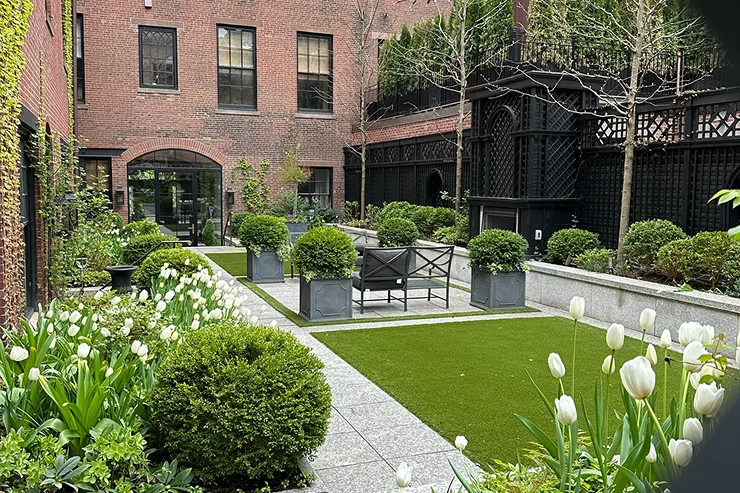
A border that thrived in full sun ten years ago may now be fighting for light under a canopy that has closed in around it, while the same property’s perimeter beds take a nightly walk-through from deer that treat hosta and daylily as a standing buffet. Wellesley’s estate lots carry both conditions at once, plus the particular light and moisture patterns that come from sitting near the Wellesley College campus and its ponds. Fine gardening here means reading each bed against those pressures, not applying a stock perennial palette and hoping it holds.

What Fine Gardening looks like in Wellesley
Most of the properties we work on in Wellesley were laid out decades ago with a formal structure in mind — boxwood parterres, a rose garden off the terrace, foundation plantings meant to be seen from the street and from inside the house. That structure is worth preserving, but the growing conditions underneath it have shifted. Oaks and maples planted as young shade trees fifty or sixty years ago have matured into a full canopy, which means beds originally designed for sun-loving perennials now sit in dappled or deep shade for most of the day. Fine gardening in this setting starts with an honest audit: which beds still get the light their planting scheme assumes, and which need a shade-tolerant palette that still reads as formal rather than woodland.
Soil on these lots is often compacted clay under a thin topsoil layer, a legacy of construction decades ago rather than any natural condition, and it holds water differently bed to bed depending on grading and root competition from mature trees. We test and amend rather than guess, because a plant that struggles in one corner of a border and flourishes six feet away is almost always telling you something about drainage or root density, not fertilizer.
Deer pressure is the other constant. Wellesley’s tree cover and larger lot sizes support a resident deer population that has strong opinions about hosta, daylily, arborvitae, and most tulips. A fine gardening program here has to plan the palette around that pressure from the start — selecting deer-resistant perennials and shrubs for exposed beds, reserving the vulnerable, deer-favorite plants for courtyards and fenced areas close to the house, and applying repellent rotations where a client wants a plant that deer would otherwise take down to stubs.
What we account for here
What we account for here
Every Wellesley property brings its own combination of these four factors, and the maintenance plan is built around whichever ones actually apply to that lot.
Deer pressure on exposed beds
Perimeter and street-facing beds get plant selections deer generally avoid — boxwood, hellebore, catmint, ornamental grasses — while anything deer favor is placed close to the house or behind existing fencing. Where a client wants roses or hosta in an exposed spot anyway, we run a seasonal repellent rotation rather than losing the planting.
Mature canopy and shifting shade
We track how much light each bed actually receives through the growing season, not what the original planting plan assumed, and adjust the palette toward shade-tolerant perennials and understory shrubs where the canopy has thickened over the years. Selective limbing up of low branches, done with the arborist of record where a tree is protected, can also restore usable light without touching the tree’s form.
The Wellesley College microclimate
Properties near the campus and its ponds see cooler, damper air pockets and later spring warm-up than lots a mile away on higher ground. Planting and pruning schedules for those beds shift a week or two later than the rest of town, and moisture-sensitive plantings get sited with that dampness in mind rather than fighting it.
Formal garden traditions and long-term structure
Many of these gardens were designed with a clear formal grammar — clipped hedging, symmetrical borders, a defined axis from house to garden. Fine gardening maintenance here means pruning and editing to hold that original structure over time, not letting a boxwood parterre soften into an informal mass because nobody kept up the line.
Recent Wellesley work
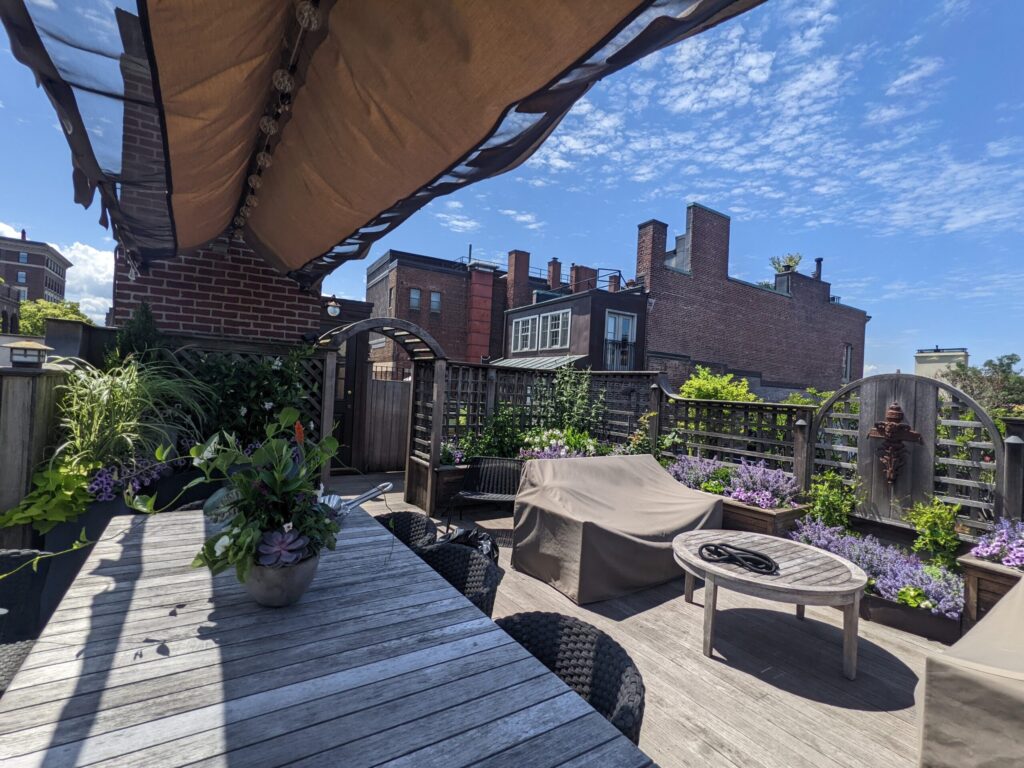
Recent work on Wellesley estate properties has typically involved reworking a formal perennial border that had gradually lost its light to canopy growth — thinning the plant list to shade-tolerant options that still read as structured, then rebuilding the edging and mulch lines that had blurred over a few seasons of light maintenance. We have also handled deer-resistant replanting of exposed foundation beds after a season of heavy browsing, and ongoing seasonal care for formal hedge and border systems on larger lots near the college, where the priority is holding a crisp line rather than introducing new design elements.
Other services we provide in Wellesley
Fine gardening on an estate lot rarely stands alone. Many Wellesley clients pair it with our broader garden services in Wellesley, which cover seasonal cleanups, mulching, and bed edging across the whole property. Homes with a terrace or pool deck often add container and planter installations for portable seasonal color, and low-voltage landscape lighting to extend the formal garden’s presence into the evening. Where mature trees compete with beds for water, we install drip irrigation zoned to the specific needs of shade versus sun plantings, so the fine gardening program isn’t undone by inconsistent watering. Properties under historic commission guidelines, which cover a number of Wellesley’s older estates, also benefit from garden design and installation planning that documents plant changes for board review before work begins.
How this compares across the western suburbs
The same estate conditions — deer, mature canopy, formal garden traditions — show up with local variation in nearby towns. We provide the same fine gardening service in Weston and in Lexington, where lot sizes, tree cover, and deer populations differ enough that the plant palette and maintenance calendar shift town to town, even though the underlying approach stays the same. For Boston proper, including Back Bay and Beacon Hill townhouse gardens with entirely different constraints, see our fine gardening in Boston page.
Book fine gardening in Wellesley
Wellesley is roughly 14.6 miles from our Wellesley location, and it’s a town where we already maintain a number of estate gardens on a regular seasonal schedule. To start, call us or request a consultation — we’ll walk the property, assess canopy, soil, and deer pressure bed by bed, and put together a plant palette and maintenance calendar suited to that specific lot. Most Wellesley clients move to a standing seasonal contract after the first visit, so the garden is looked after on a schedule rather than reactively.
Other services we provide in Wellesley
Fine gardening is often just the starting point for Wellesley properties with mature plantings and formal layouts. Where a bed has outgrown its design or a border needs reworking entirely, our garden design and installation service in Wellesley rebuilds the structure rather than just maintaining it. Larger lots with hedges, specimen trees, and lawn areas usually need broader upkeep too, which is where our general landscape maintenance in Wellesley fits in alongside the detail work.
Many Wellesley homes also rely on:
- Seasonal color and container plantings for entries and patios
- Drip irrigation to keep perennial beds consistently watered
- Mulching and edging to keep formal borders crisp through the season
- Low-voltage lighting to highlight plantings after dark
For a full picture of what we handle in your neighborhood, see our garden services in Wellesley.
Ready for a Wellesley garden that gets better every season
Fine gardening works best as an ongoing partnership rather than a one-time visit. If your Wellesley property is ready for consistent, knowledgeable attention, reach out for a consultation. We will walk the beds and borders with you, discuss what is thriving and what needs adjusting, and outline a seasonal care plan suited to your soil, light and plant palette.
- On-site walkthrough and assessment
- Tailored seasonal maintenance plan
- Ongoing communication as conditions change
What Our Customers Say
Frequently Asked Questions
Does fine gardening in Wellesley need to account for deer?
Yes. Deer pressure is one of the biggest factors in plant selection for Wellesley properties. We favor deer-resistant perennials and shrubs in exposed beds and reserve vulnerable plants like hosta and daylily for fenced or house-adjacent areas, with repellent rotations where a client wants them anyway.
Our garden gets less sun than it used to. Can fine gardening fix that?
Often, yes, through a combination of plant palette changes and selective pruning. As canopy trees mature, beds that were designed for full sun gradually shift into part or full shade. We reassess the actual light each bed receives and shift the palette toward shade-tolerant perennials, and coordinate any limbing-up work with the tree's arborist where needed.
Do you work with Wellesley's historic commission requirements?
Where a property falls under historic district guidelines, we plan and document plant and structural changes so they're ready for board review before installation begins, particularly for street-facing beds and hedging.
How does the Wellesley College area affect planting schedules?
Properties near the campus and its ponds tend to run cooler and damper, with a later spring warm-up than higher ground elsewhere in town. We adjust planting and pruning timing for those specific beds rather than applying a single townwide schedule.
How far is Wellesley from your Wellesley location?
About 14.6 miles. We maintain a regular presence in Wellesley for ongoing seasonal fine gardening contracts, so scheduling a recurring visit is straightforward.