- Serving Boston and the Greater Boston Area

- Home
- Services
- Garden Design Services
- Landscape Design
- Urban Garden Design
- Rooftop Garden Installation
- Roof Deck Planting
- Container Gardening Services
- Seasonal Container Planting
- Window Boxes
- Fine Gardening
- Garden Maintenance
- Planting Maintenance
- Flower & Plant Installation
- Drip Irrigation Installation
- Landscape Lighting
- Service Areas
Charlestown, MA
- Garden Services in Charlestown, MA
- Garden Design in Charlestown, MA
- Landscape Design in Charlestown, MA
- Urban Garden Design in Charlestown, MA
- Rooftop Garden Installation in Charlestown, MA
- Roof Deck Planting in Charlestown, MA
- Container Gardening in Charlestown, MA
- Seasonal Container Planting in Charlestown, MA
- Flower & Plant Installation in Charlestown, MA
- Window Boxes in Charlestown, MA
- Fine Gardening in Charlestown, MA
- Garden Maintenance in Charlestown, MA
- Planting & Maintenance in Charlestown, MA
- Drip Irrigation Installation in Charlestown, MA
- Landscape Lighting in Charlestown, MA
North End, MA
- Garden Services in north-end, MA
- Garden Design in north-end, MA
- Landscape Design in north-end, MA
- Urban Garden Design in north-end, MA
- Rooftop Garden Installation in north-end, MA
- Roof Deck Planting in north-end, MA
- Container Gardening in north-end, MA
- Seasonal Container Planting in north-end, MA
- Flower & Plant Installation in north-end, MA
- Window Boxes in north-end, MA
- Fine Gardening in north-end, MA
- Garden Maintenance in north-end, MA
- Planting & Maintenance in north-end, MA
- Drip Irrigation Installation in north-end, MA
- Landscape Lighting in north-end, MA
Downtown Boston, MA
- Garden Services in downtown boston, MA
- Garden Design in downtown boston, MA
- Landscape Design in downtown boston, MA
- Urban Garden Design in downtown boston, MA
- Rooftop Garden Installation in downtown boston, MA
- Roof Deck Planting in downtown boston, MA
- Container Gardening in downtown boston, MA
- Seasonal Container Planting in downtown boston, MA
- Flower & Plant Installation in downtown boston, MA
- Window Boxes in downtown boston, MA
- Fine Gardening in downtown boston, MA
- Garden Maintenance in downtown boston, MA
- Planting & Maintenance in downtown boston, MA
- Drip Irrigation Installation in downtown boston, MA
- Landscape Lighting in downtown boston, MA
Beacon Hill, MA
- Garden Services in beacon hill, MA
- Garden Design in beacon hill, MA
- Landscape Design in beacon hill, MA
- Urban Garden Design in beacon hill, MA
- Rooftop Garden Installation in beacon hill, MA
- Roof Deck Planting in beacon hill, MA
- Container Gardening in beacon hill, MA
- Seasonal Container Planting in beacon hill, MA
- Flower & Plant Installation in beacon hill, MA
- Window Boxes in beacon hill, MA
- Fine Gardening in beacon hill, MA
- Garden Maintenance in beacon hill, MA
- Planting & Maintenance in beacon hill, MA
- Drip Irrigation Installation in beacon hill, MA
- Landscape Lighting in beacon hill, MA
Boston, MA
- Garden Services in boston, MA
- Garden Design in boston, MA
- Landscape Design in boston, MA
- Urban Garden Design in boston, MA
- Rooftop Garden Installation in boston, MA
- Roof Deck Planting in boston, MA
- Container Gardening in boston, MA
- Seasonal Container Planting in boston, MA
- Flower & Plant Installation in boston, MA
- Window Boxes in boston, MA
- Fine Gardening in boston, MA
- Garden Maintenance in boston, MA
- Planting & Maintenance in boston, MA
- Drip Irrigation Installation in boston, MA
- Landscape Lighting in boston, MA
seaport, MA
- Garden Services in seaport, MA
- Garden Design in seaport, MA
- Landscape Design in seaport, MA
- Urban Garden Design in seaport, MA
- Rooftop Garden Installation in seaport, MA
- Roof Deck Planting in seaport, MA
- Container Gardening in seaport, MA
- Seasonal Container Planting in seaport, MA
- Flower & Plant Installation in seaport, MA
- Window Boxes in seaport, MA
- Fine Gardening in seaport, MA
- Garden Maintenance in seaport, MA
- Planting & Maintenance in seaport, MA
- Drip Irrigation Installation in seaport, MA
- Landscape Lighting in seaport, MA
back bay, MA
- Garden Services in back bay, MA
- Garden Design in back bay, MA
- Landscape Design in back bay, MA
- Urban Garden Design in back bay, MA
- Rooftop Garden Installation in back bay, MA
- Roof Deck Planting in back bay, MA
- Container Gardening in back bay, MA
- Seasonal Container Planting in back bay, MA
- Flower & Plant Installation in back bay, MA
- Window Boxes in back bay, MA
- Fine Gardening in back bay, MA
- Garden Maintenance in back bay, MA
- Planting & Maintenance in back bay, MA
- Drip Irrigation Installation in back bay, MA
- Landscape Lighting in back bay, MA
cambridge, MA
- Garden Services in cambridge, MA
- Garden Design in cambridge, MA
- Landscape Design in cambridge, MA
- Urban Garden Design in cambridge, MA
- Rooftop Garden Installation in cambridge, MA
- Roof Deck Planting in cambridge, MA
- Container Gardening in cambridge, MA
- Seasonal Container Planting in cambridge, MA
- Flower & Plant Installation in cambridge, MA
- Window Boxes in cambridge, MA
- Fine Gardening in cambridge, MA
- Garden Maintenance in cambridge, MA
- Planting & Maintenance in cambridge, MA
- Drip Irrigation Installation in cambridge, MA
- Landscape Lighting in cambridge, MA
south-end, MA
- Garden Services in south-end, MA
- Garden Design in south-end, MA
- Landscape Design in south-end, MA
- Urban Garden Design in south-end, MA
- Rooftop Garden Installation in south-end, MA
- Roof Deck Planting in south-end, MA
- Container Gardening in south-end, MA
- Seasonal Container Planting in south-end, MA
- Flower & Plant Installation in south-end, MA
- Window Boxes in south-end, MA
- Fine Gardening in south-end, MA
- Garden Maintenance in south-end, MA
- Planting & Maintenance in south-end, MA
- Drip Irrigation Installation in south-end, MA
- Landscape Lighting in south-end, MA
brookline, MA
- Garden Services in brookline, MA
- Garden Design in brookline, MA
- Landscape Design in brookline, MA
- Urban Garden Design in brookline, MA
- Rooftop Garden Installation in brookline, MA
- Roof Deck Planting in brookline, MA
- Container Gardening in brookline, MA
- Seasonal Container Planting in brookline, MA
- Flower & Plant Installation in brookline, MA
- Window Boxes in brookline, MA
- Fine Gardening in brookline, MA
- Garden Maintenance in brookline, MA
- Planting & Maintenance in brookline, MA
- Drip Irrigation Installation in brookline, MA
- Landscape Lighting in brookline, MA
winchester, MA
- Garden Services in winchester, MA
- Garden Design in winchester, MA
- Landscape Design in winchester, MA
- Urban Garden Design in winchester, MA
- Rooftop Garden Installation in winchester, MA
- Roof Deck Planting in winchester, MA
- Container Gardening in winchester, MA
- Seasonal Container Planting in winchester, MA
- Flower & Plant Installation in winchester, MA
- Window Boxes in winchester, MA
- Fine Gardening in winchester, MA
- Garden Maintenance in winchester, MA
- Planting & Maintenance in winchester, MA
- Drip Irrigation Installation in winchester, MA
- Landscape Lighting in winchester, MA
newton, MA
- Garden Services in newton, MA
- Garden Design in newton, MA
- Landscape Design in newton, MA
- Urban Garden Design in newton, MA
- Rooftop Garden Installation in newton, MA
- Roof Deck Planting in newton, MA
- Container Gardening in newton, MA
- Seasonal Container Planting in newton, MA
- Flower & Plant Installation in newton, MA
- Window Boxes in newton, MA
- Fine Gardening in newton, MA
- Garden Maintenance in newton, MA
- Planting & Maintenance in newton, MA
- Drip Irrigation Installation in newton, MA
- Landscape Lighting in newton, MA
lexington, MA
- Garden Services in lexington, MA
- Garden Design in lexington, MA
- Landscape Design in lexington, MA
- Urban Garden Design in lexington, MA
- Rooftop Garden Installation in lexington, MA
- Roof Deck Planting in lexington, MA
- Container Gardening in lexington, MA
- Seasonal Container Planting newton, MA
- Flower & Plant Installation in lexington, MA
- Window Boxes in lexington, MA
- Fine Gardening in lexington, MA
- Garden Maintenance in lexington, MA
- Planting & Maintenance in lexington, MA
- Drip Irrigation Installation in lexington, MA
- Landscape Lighting in lexington, MA
weston, MA
- Garden Services in weston, MA
- Garden Design in weston, MA
- Landscape Design in weston, MA
- Urban Garden Design in weston, MA
- Rooftop Garden Installation in weston, MA
- Roof Deck Planting in weston, MA
- Container Gardening in weston, MA
- Seasonal Container Planting weston, MA
- Flower & Plant Installation in weston, MA
- Window Boxes in weston, MA
- Fine Gardening in weston, MA
- Garden Maintenance in weston, MA
- Planting & Maintenance in weston, MA
- Drip Irrigation Installation in weston, MA
- Landscape Lighting in weston, MA
wellesley, MA
- Garden Services in wellesley, MA
- Garden Design in wellesley, MA
- Landscape Design in wellesley, MA
- Urban Garden Design in wellesley, MA
- Rooftop Garden Installation in wellesley, MA
- Roof Deck Planting in wellesley, MA
- Container Gardening in wellesley, MA
- Seasonal Container Planting wellesley, MA
- Flower & Plant Installation in wellesley, MA
- Window Boxes in wellesley, MA
- Fine Gardening in wellesley, MA
- Garden Maintenance in wellesley, MA
- Planting & Maintenance in wellesley, MA
- Drip Irrigation Installation in wellesley, MA
- Landscape Lighting in wellesley, MA
- Portfolio
- About us
- Blog
- Contact
- Flower Delivery
Fine Gardening in Brookline, MA
A Brookline garden usually has more square footage to manage than a Boston lot, more decades of plant material to work around, and — the closer you get to the Newton line — a deer population that will strip a hosta bed overnight. Add a Preservation Commission that reviews changes visible from the street in several of the town’s historic districts, and fine gardening here becomes as much about judgment as it is about pruning shears. This is a maintenance discipline built for large, established properties, not a once-a-month mow-and-blow.

What Fine Gardening looks like in Brookline
Brookline’s older neighborhoods — Cottage Farm, the Point, parts of Chestnut Hill and Longwood — were built on lots sized for carriage houses and specimen trees, and many still carry the plantings a previous generation put in thirty or forty years ago. That means fine gardening starts with an inventory: which shrubs are original and worth saving, which perennial beds have become overcrowded, and where a mature beech or oak is shading out everything beneath it. Light is often the first constraint. Deep, tree-shaded lots on streets like Sewall Avenue or Clyde Street need shade-tolerant underplanting rather than the sun perennials a catalog garden plan might default to.
Soil on these older properties is frequently compacted from decades of foot traffic and root competition, so we build organic matter back in gradually rather than shocking beds with heavy fertilizer. Wind is less of an issue than in the harbor neighborhoods, but exposure varies enormously lot to lot depending on tree canopy, so irrigation and pruning schedules get set per property, not by a town-wide template. And because a meaningful share of Brookline’s housing stock sits inside a local historic district, any structural change visible from the public way — a new bed edge along the sidewalk, a retaining wall, a arbor — gets scoped with that review in mind before it becomes a change order nobody wanted.
What we account for here
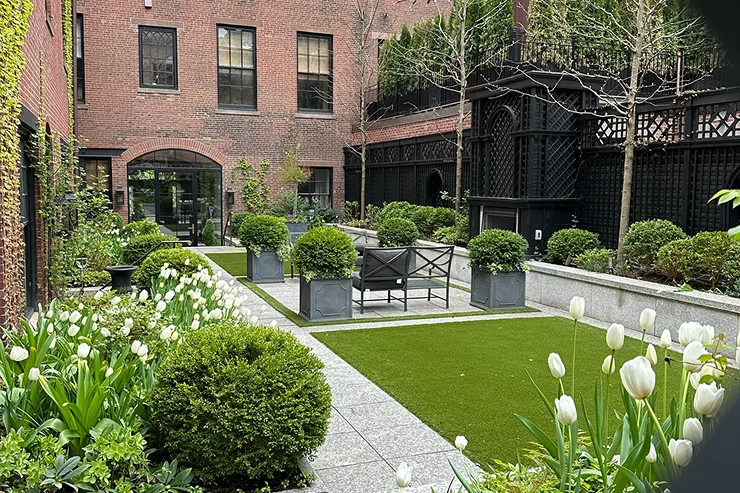
What we account for here
Brookline gardens often mix old perennial borders with newer plantings squeezed between fences and foundations. We note soil compaction, root competition from mature trees, and drainage patterns before touching a single bed. Each visit adjusts for what the season and the specific plot actually need.
- Soil condition and compaction
- Existing plant health and spacing
- Drainage and moisture retention
Larger lots, mature plant inventories
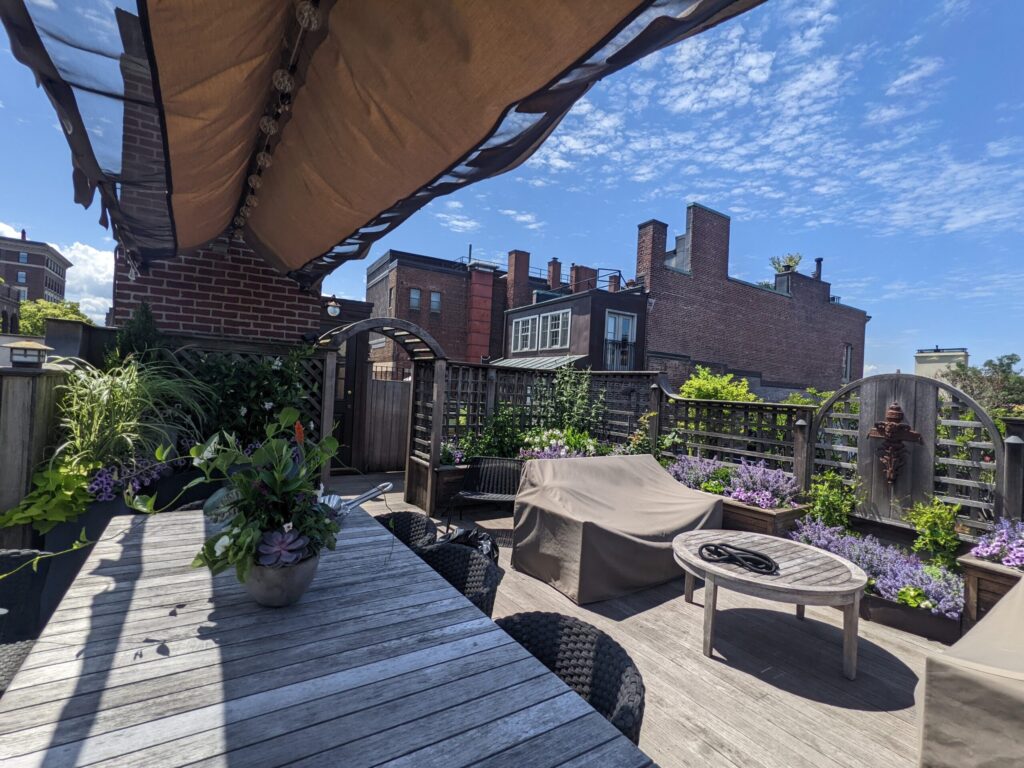
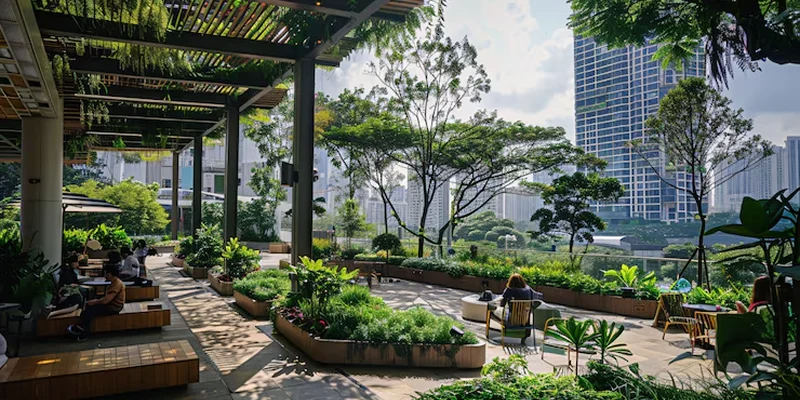
Where a South End garden might be measured in a few hundred square feet, a Brookline property is often measured in thousands. We build maintenance routes and seasonal schedules around the actual scale of the lot, and we treat mature specimen trees and shrubs as assets to be preserved through correct pruning cycles, not obstacles to be worked around with generic seasonal cutbacks.
Deer pressure toward the Newton line
Properties near Hammond Pond Parkway, Reservoir, and the western edges of town see real deer browsing, especially in winter. We select and place plant material with that pressure in mind — favoring deer-resistant natives and ornamentals for exposed beds, and reserving anything deer find appealing for fenced courtyards or areas closer to the house where pressure is lower.
Preservation Commission districts
Brookline has several local historic districts under Preservation Commission purview, and depending on the property, changes visible from the street can require a certificate before work proceeds. We flag anything that touches sightlines from the public way early, so a planting plan doesn’t stall waiting on a hearing date it should have anticipated from the start.
Irrigation for uneven canopy coverage
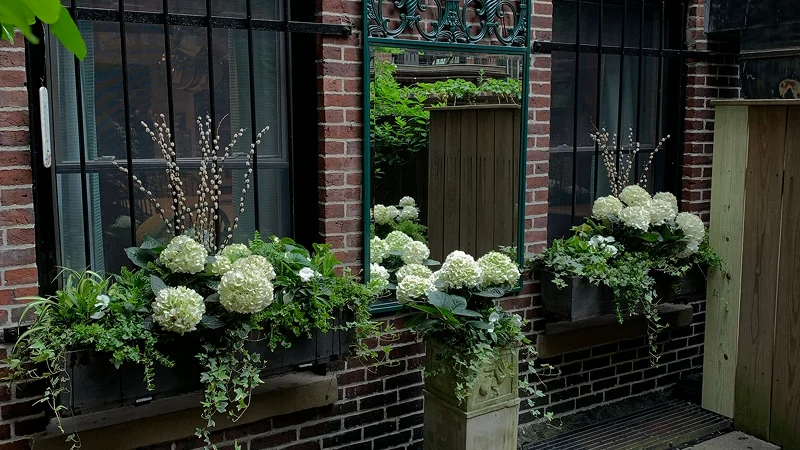
Mature tree cover means light and moisture vary drastically across a single lot — full sun on one side of a driveway, deep shade forty feet away. Zoned drip irrigation lets us water a sun-loving perennial bed and a shaded hosta planting on entirely different schedules from the same system, instead of over- or under-watering one to satisfy the other.
Recent Brookline work
A recent engagement on a Chestnut Hill property involved restoring an overgrown perennial border that had been left to its own devices for several seasons, dividing and resetting plants that were still viable, replacing deer-damaged sections with resistant alternatives, and putting the bed on a proper spring and fall maintenance cycle. On another property near Brookline Village, the work centered on reworking foundation plantings within view of the street to satisfy a Preservation Commission certificate while giving the homeowner a garden that actually suited how they use the yard. Neither project was unusual for this town — large lots with real plant history are the norm here, not the exception.
Other services we provide in Brookline
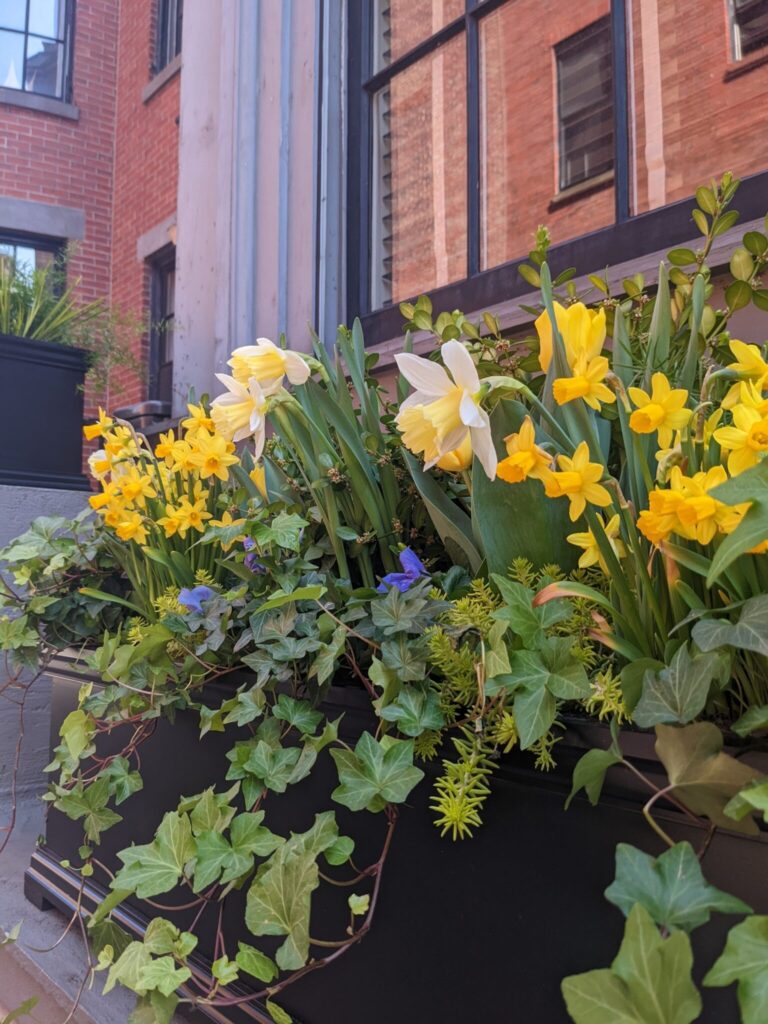
Fine gardening is often the entry point, but most Brookline clients end up using several services together. We handle full garden services in Brookline, from initial design and installation through the ongoing care described above. Larger properties frequently pair fine gardening with drip irrigation zoned for uneven tree canopy, and low-voltage lighting that highlights specimen trees and stone walls without over-lighting a historic streetscape. Homes with porches, roof decks, or bluestone terraces get container and window box plantings refreshed seasonally, and where a property backs onto a deer corridor we build fencing and plant selection strategy directly into the design rather than treating it as an afterthought.
Book fine gardening in Brookline
Rouvalis Gardens is based at 5 Crescent St in Brookline, about 5.4 miles from Brookline — close enough for a crew to keep a regular weekly or biweekly schedule without it becoming a logistics problem. Call to set up a walk-through of the property. We’ll assess the plant inventory, note anything that falls under Preservation Commission review, and put together a maintenance plan scaled to the actual size of the lot before any work begins.
What Our Customers Say
Frequently Asked Questions
Do you design around deer pressure in Brookline?
Yes. On properties near the Newton line and other areas with regular deer activity, we favor deer-resistant plant selections for exposed beds and reserve anything more vulnerable for fenced or house-adjacent areas where pressure is lower.
Will fine gardening work require Preservation Commission approval?
It depends on the property and whether the work is visible from the street. Many Brookline local historic districts require a certificate for changes to street-facing plantings or structures. We identify this early in the process rather than after a plan is already set.
How do you handle mature trees and established shrubs on larger lots?
We treat existing mature plantings as assets. Pruning and care schedules are built around preserving specimen trees and long-established shrubs, with underplanting selected to suit the actual light and soil conditions beneath them.
How often do you visit for ongoing maintenance?
Most Brookline properties are on a weekly or biweekly schedule depending on lot size and season, adjusted for spring cleanup and fall closing work.
Do you serve properties throughout Brookline or specific neighborhoods only?
We work throughout Brookline, including Chestnut Hill, Longwood, Cottage Farm, and areas closer to the Newton line, with the plant and maintenance approach adjusted to each property's specific conditions.