- Serving Boston and the Greater Boston Area

- Home
- Services
- Garden Design Services
- Landscape Design
- Urban Garden Design
- Rooftop Garden Installation
- Roof Deck Planting
- Container Gardening Services
- Seasonal Container Planting
- Window Boxes
- Fine Gardening
- Garden Maintenance
- Planting Maintenance
- Flower & Plant Installation
- Drip Irrigation Installation
- Landscape Lighting
- Service Areas
Charlestown, MA
- Garden Services in Charlestown, MA
- Garden Design in Charlestown, MA
- Landscape Design in Charlestown, MA
- Urban Garden Design in Charlestown, MA
- Rooftop Garden Installation in Charlestown, MA
- Roof Deck Planting in Charlestown, MA
- Container Gardening in Charlestown, MA
- Seasonal Container Planting in Charlestown, MA
- Flower & Plant Installation in Charlestown, MA
- Window Boxes in Charlestown, MA
- Fine Gardening in Charlestown, MA
- Garden Maintenance in Charlestown, MA
- Planting & Maintenance in Charlestown, MA
- Drip Irrigation Installation in Charlestown, MA
- Landscape Lighting in Charlestown, MA
North End, MA
- Garden Services in north-end, MA
- Garden Design in north-end, MA
- Landscape Design in north-end, MA
- Urban Garden Design in north-end, MA
- Rooftop Garden Installation in north-end, MA
- Roof Deck Planting in north-end, MA
- Container Gardening in north-end, MA
- Seasonal Container Planting in north-end, MA
- Flower & Plant Installation in north-end, MA
- Window Boxes in north-end, MA
- Fine Gardening in north-end, MA
- Garden Maintenance in north-end, MA
- Planting & Maintenance in north-end, MA
- Drip Irrigation Installation in north-end, MA
- Landscape Lighting in north-end, MA
Downtown Boston, MA
- Garden Services in downtown boston, MA
- Garden Design in downtown boston, MA
- Landscape Design in downtown boston, MA
- Urban Garden Design in downtown boston, MA
- Rooftop Garden Installation in downtown boston, MA
- Roof Deck Planting in downtown boston, MA
- Container Gardening in downtown boston, MA
- Seasonal Container Planting in downtown boston, MA
- Flower & Plant Installation in downtown boston, MA
- Window Boxes in downtown boston, MA
- Fine Gardening in downtown boston, MA
- Garden Maintenance in downtown boston, MA
- Planting & Maintenance in downtown boston, MA
- Drip Irrigation Installation in downtown boston, MA
- Landscape Lighting in downtown boston, MA
Beacon Hill, MA
- Garden Services in beacon hill, MA
- Garden Design in beacon hill, MA
- Landscape Design in beacon hill, MA
- Urban Garden Design in beacon hill, MA
- Rooftop Garden Installation in beacon hill, MA
- Roof Deck Planting in beacon hill, MA
- Container Gardening in beacon hill, MA
- Seasonal Container Planting in beacon hill, MA
- Flower & Plant Installation in beacon hill, MA
- Window Boxes in beacon hill, MA
- Fine Gardening in beacon hill, MA
- Garden Maintenance in beacon hill, MA
- Planting & Maintenance in beacon hill, MA
- Drip Irrigation Installation in beacon hill, MA
- Landscape Lighting in beacon hill, MA
Boston, MA
- Garden Services in boston, MA
- Garden Design in boston, MA
- Landscape Design in boston, MA
- Urban Garden Design in boston, MA
- Rooftop Garden Installation in boston, MA
- Roof Deck Planting in boston, MA
- Container Gardening in boston, MA
- Seasonal Container Planting in boston, MA
- Flower & Plant Installation in boston, MA
- Window Boxes in boston, MA
- Fine Gardening in boston, MA
- Garden Maintenance in boston, MA
- Planting & Maintenance in boston, MA
- Drip Irrigation Installation in boston, MA
- Landscape Lighting in boston, MA
seaport, MA
- Garden Services in seaport, MA
- Garden Design in seaport, MA
- Landscape Design in seaport, MA
- Urban Garden Design in seaport, MA
- Rooftop Garden Installation in seaport, MA
- Roof Deck Planting in seaport, MA
- Container Gardening in seaport, MA
- Seasonal Container Planting in seaport, MA
- Flower & Plant Installation in seaport, MA
- Window Boxes in seaport, MA
- Fine Gardening in seaport, MA
- Garden Maintenance in seaport, MA
- Planting & Maintenance in seaport, MA
- Drip Irrigation Installation in seaport, MA
- Landscape Lighting in seaport, MA
back bay, MA
- Garden Services in back bay, MA
- Garden Design in back bay, MA
- Landscape Design in back bay, MA
- Urban Garden Design in back bay, MA
- Rooftop Garden Installation in back bay, MA
- Roof Deck Planting in back bay, MA
- Container Gardening in back bay, MA
- Seasonal Container Planting in back bay, MA
- Flower & Plant Installation in back bay, MA
- Window Boxes in back bay, MA
- Fine Gardening in back bay, MA
- Garden Maintenance in back bay, MA
- Planting & Maintenance in back bay, MA
- Drip Irrigation Installation in back bay, MA
- Landscape Lighting in back bay, MA
cambridge, MA
- Garden Services in cambridge, MA
- Garden Design in cambridge, MA
- Landscape Design in cambridge, MA
- Urban Garden Design in cambridge, MA
- Rooftop Garden Installation in cambridge, MA
- Roof Deck Planting in cambridge, MA
- Container Gardening in cambridge, MA
- Seasonal Container Planting in cambridge, MA
- Flower & Plant Installation in cambridge, MA
- Window Boxes in cambridge, MA
- Fine Gardening in cambridge, MA
- Garden Maintenance in cambridge, MA
- Planting & Maintenance in cambridge, MA
- Drip Irrigation Installation in cambridge, MA
- Landscape Lighting in cambridge, MA
south-end, MA
- Garden Services in south-end, MA
- Garden Design in south-end, MA
- Landscape Design in south-end, MA
- Urban Garden Design in south-end, MA
- Rooftop Garden Installation in south-end, MA
- Roof Deck Planting in south-end, MA
- Container Gardening in south-end, MA
- Seasonal Container Planting in south-end, MA
- Flower & Plant Installation in south-end, MA
- Window Boxes in south-end, MA
- Fine Gardening in south-end, MA
- Garden Maintenance in south-end, MA
- Planting & Maintenance in south-end, MA
- Drip Irrigation Installation in south-end, MA
- Landscape Lighting in south-end, MA
brookline, MA
- Garden Services in brookline, MA
- Garden Design in brookline, MA
- Landscape Design in brookline, MA
- Urban Garden Design in brookline, MA
- Rooftop Garden Installation in brookline, MA
- Roof Deck Planting in brookline, MA
- Container Gardening in brookline, MA
- Seasonal Container Planting in brookline, MA
- Flower & Plant Installation in brookline, MA
- Window Boxes in brookline, MA
- Fine Gardening in brookline, MA
- Garden Maintenance in brookline, MA
- Planting & Maintenance in brookline, MA
- Drip Irrigation Installation in brookline, MA
- Landscape Lighting in brookline, MA
winchester, MA
- Garden Services in winchester, MA
- Garden Design in winchester, MA
- Landscape Design in winchester, MA
- Urban Garden Design in winchester, MA
- Rooftop Garden Installation in winchester, MA
- Roof Deck Planting in winchester, MA
- Container Gardening in winchester, MA
- Seasonal Container Planting in winchester, MA
- Flower & Plant Installation in winchester, MA
- Window Boxes in winchester, MA
- Fine Gardening in winchester, MA
- Garden Maintenance in winchester, MA
- Planting & Maintenance in winchester, MA
- Drip Irrigation Installation in winchester, MA
- Landscape Lighting in winchester, MA
newton, MA
- Garden Services in newton, MA
- Garden Design in newton, MA
- Landscape Design in newton, MA
- Urban Garden Design in newton, MA
- Rooftop Garden Installation in newton, MA
- Roof Deck Planting in newton, MA
- Container Gardening in newton, MA
- Seasonal Container Planting in newton, MA
- Flower & Plant Installation in newton, MA
- Window Boxes in newton, MA
- Fine Gardening in newton, MA
- Garden Maintenance in newton, MA
- Planting & Maintenance in newton, MA
- Drip Irrigation Installation in newton, MA
- Landscape Lighting in newton, MA
lexington, MA
- Garden Services in lexington, MA
- Garden Design in lexington, MA
- Landscape Design in lexington, MA
- Urban Garden Design in lexington, MA
- Rooftop Garden Installation in lexington, MA
- Roof Deck Planting in lexington, MA
- Container Gardening in lexington, MA
- Seasonal Container Planting newton, MA
- Flower & Plant Installation in lexington, MA
- Window Boxes in lexington, MA
- Fine Gardening in lexington, MA
- Garden Maintenance in lexington, MA
- Planting & Maintenance in lexington, MA
- Drip Irrigation Installation in lexington, MA
- Landscape Lighting in lexington, MA
weston, MA
- Garden Services in weston, MA
- Garden Design in weston, MA
- Landscape Design in weston, MA
- Urban Garden Design in weston, MA
- Rooftop Garden Installation in weston, MA
- Roof Deck Planting in weston, MA
- Container Gardening in weston, MA
- Seasonal Container Planting weston, MA
- Flower & Plant Installation in weston, MA
- Window Boxes in weston, MA
- Fine Gardening in weston, MA
- Garden Maintenance in weston, MA
- Planting & Maintenance in weston, MA
- Drip Irrigation Installation in weston, MA
- Landscape Lighting in weston, MA
wellesley, MA
- Garden Services in wellesley, MA
- Garden Design in wellesley, MA
- Landscape Design in wellesley, MA
- Urban Garden Design in wellesley, MA
- Rooftop Garden Installation in wellesley, MA
- Roof Deck Planting in wellesley, MA
- Container Gardening in wellesley, MA
- Seasonal Container Planting wellesley, MA
- Flower & Plant Installation in wellesley, MA
- Window Boxes in wellesley, MA
- Fine Gardening in wellesley, MA
- Garden Maintenance in wellesley, MA
- Planting & Maintenance in wellesley, MA
- Drip Irrigation Installation in wellesley, MA
- Landscape Lighting in wellesley, MA
- Portfolio
- About us
- Blog
- Contact
- Flower Delivery
Flower & Plant Installation in South End, MA
A bowfront planter box on Union Park needs a different plant palette than a container tucked into a fourth-floor roof deck three blocks away, and a South End alley garden fifteen feet wide and eighty feet deep behaves nothing like either. Add a Landmark District application to the street-facing work and a shared community garden plot around the corner, and “just plant something nice” stops being a real option. We design and install flowers and plantings for South End rowhouses, converted parlor-floor units, and the alley and courtyard gardens that make this neighborhood unlike anywhere else in Boston.

What Flower & Plant Installation looks like in South End
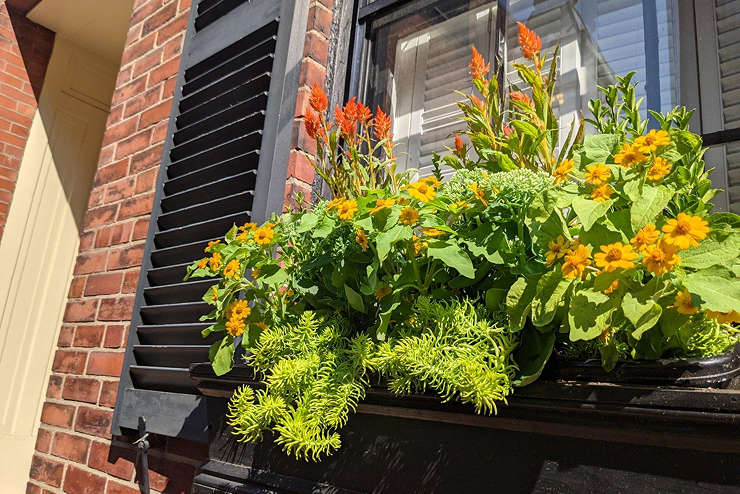
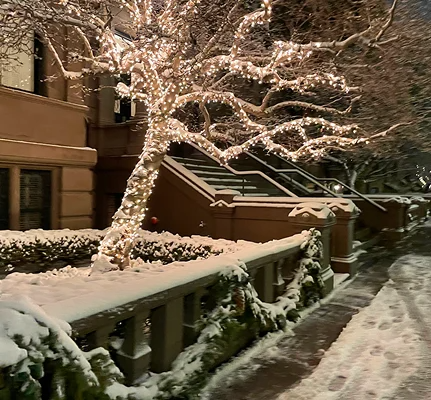
Most South End planting work starts at the front stoop or bowfront window box, because that’s the part of the property the South End Landmark District Commission actually reviews. Anything visible from the public way — window boxes, front dooryard planters, fencing that frames a planted bed — needs a plant and material palette that reads as appropriate to a brick bowfront rowhouse built in the 1860s or 70s. We plant accordingly: boxwood, ivy, and seasonal color in restrained combinations rather than anything that reads as suburban or oversized for the facade.
Behind the house, conditions flip entirely. South End alley gardens are long, narrow, and often walled in on three sides by other people’s brick, which means light arrives in a thin band for a few hours a day and shifts by season more dramatically than an open yard would. We plant in layers that tolerate that — understory shade plants near the house, sun-tolerant material where the light actually lands at midday — and we test soil in these spaces before committing to anything, because a century and a half of rowhouse construction leaves a lot of rubble, mortar, and compacted fill a few inches down.
Roof decks and rear terraces are common here too, especially on the parlor-floor and penthouse units that have gone in over the last two decades. Those installations get container systems built for wind exposure and weight limits, not ground-bed assumptions carried upstairs.
What we account for here
Landmark District review on street-facing plantings
Window boxes, dooryard beds, and any planting visible from Washington Street, Tremont Street, or the surrounding residential blocks fall under South End Landmark District jurisdiction. We build proposals — plant lists, box materials, mounting details — in the format the Commission expects, so approval doesn’t stall a season’s install. This is planning done up front, not paperwork chased after the fact.
Long, narrow alley gardens with limited light
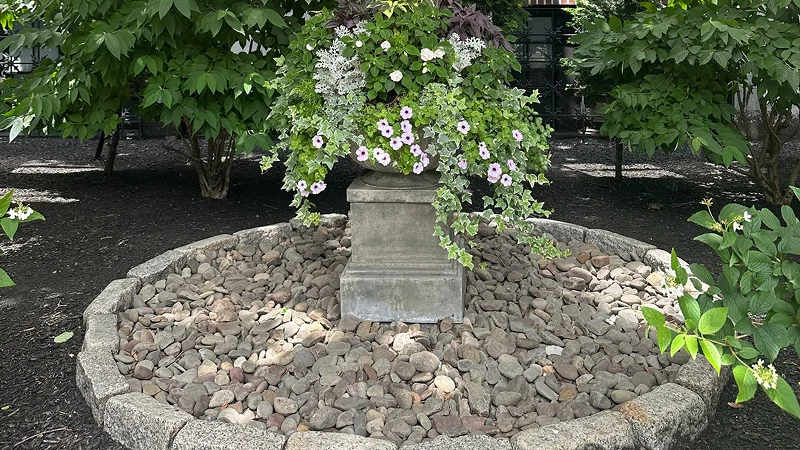
The typical South End rear garden is a corridor between brick party walls, often no more than fifteen feet wide, with sun access dictated entirely by the height of neighboring buildings. We map actual light hours before choosing plants, then design a layout that reads as full and intentional even where the usable planting depth is shallow.
Shared community garden plots and boundary etiquette
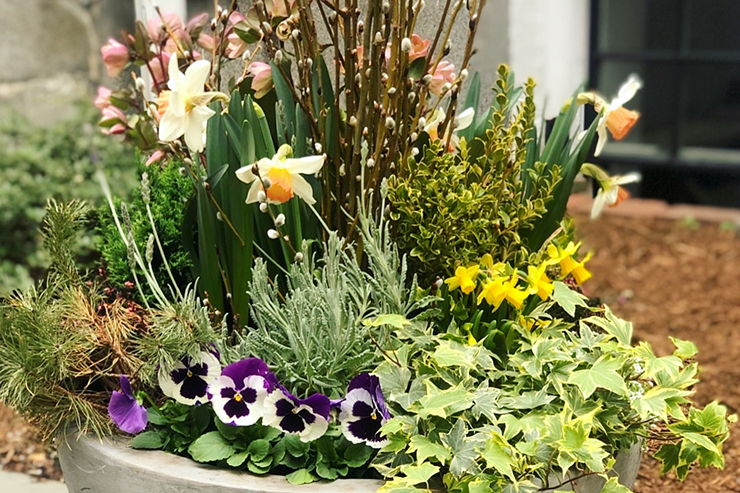
A number of South End residents also maintain plots in one of the neighborhood’s community gardens, which come with their own informal rules about height, spread, and what a neighboring plot holder will tolerate. When we’re asked to plant or maintain a community garden bed, we design within those unwritten boundaries as carefully as we would within a formal HOA agreement.
Compacted, rubble-heavy soil behind rowhouses
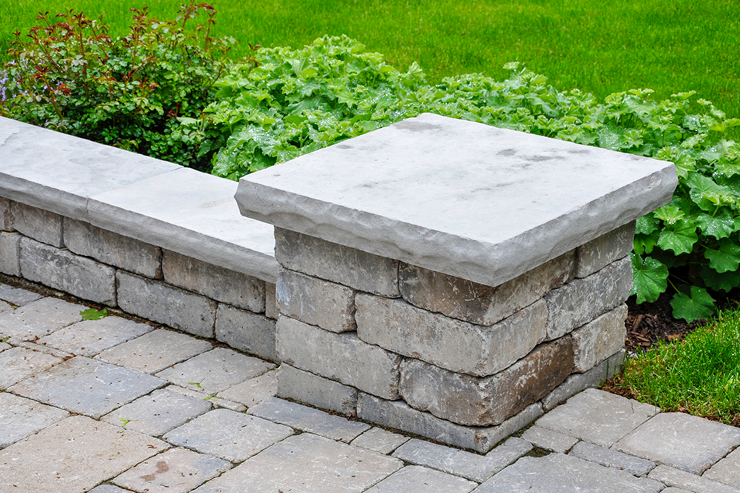
Backyard soil in the South End frequently carries construction debris from 19th-century rowhouse building and later renovations — brick fragments, mortar chunks, and heavily compacted fill. We test and amend before installation rather than assuming a bed will perform the way a nursery tag suggests, and we build drainage into beds that have historically held water against a party wall.
Recent South End work
Recent projects in the neighborhood have included seasonal window box rotations on a Union Park bowfront under Landmark review, a full alley garden redesign behind a Rutland Square rowhouse where light mapping drove the entire plant selection, and container planting for a roof terrace off Tremont Street built to handle direct wind exposure above the surrounding roofline. Details vary by client; the constraints above are the ones that shape almost every job we take on here.
Other services we provide in South End
Flower and plant installation is usually the first conversation, but most South End clients ask about related work in the same visit. We provide full garden design and installation for properties planning a larger renovation of front, rear, or roof spaces, along with ongoing fine gardening and maintenance to keep bowfront boxes and alley beds looking kept between visits. For rear courtyards and roof decks we install drip irrigation sized to container loads and low-voltage landscape lighting that highlights brick and planting without violating Landmark sightline requirements. Window box and container programs are a standing service for owners who want seasonal rotation without managing it themselves, and we handle roof deck and terrace planting as its own category given the structural and wind considerations involved.
Start with a consultation
Rouvalis Gardens is based at 5 Crescent St in South End, about 3.1 miles from the South End. A call gets you a site visit where we walk the front box, the alley or rear yard, and any roof or terrace space, take light and soil readings, and note anything that will need Landmark District review before we design around it. From there we send a proposal with plant lists, materials, and a schedule, so you know what’s happening and when before anything goes in the ground.
What Our Customers Say
Frequently Asked Questions
Do South End window boxes need Landmark District approval?
Yes, if they're visible from the public way, which covers most front-facing bowfront boxes. We prepare the plant list and materials in the format the South End Landmark District Commission expects and can advise on timing so a rejected proposal doesn't cost you a planting season.
Our rear garden barely gets direct sun. What actually grows there?
Most South End alley gardens get a narrow band of light for part of the day rather than none at all. We map actual sun hours on site and select a layered planting scheme — shade-tolerant understory plants paired with material suited to whatever direct light does reach the space — rather than guessing from a plant tag.
Can you plant or maintain a plot in one of the neighborhood's community gardens?
Yes. We design within the informal height and spread expectations that community garden plot holders generally observe, and we can handle ongoing maintenance so the plot stays presentable between your own visits.
Is the soil behind our rowhouse actually usable, or does it need to be replaced?
It depends on what's underneath it. South End backyards frequently have construction debris and compacted fill a few inches down from 19th-century building and later renovations. We test before installing and amend or rebuild the bed as needed rather than planting into soil that won't support root growth.
How far out do you book for South End installations, especially around Landmark review?
Timing depends on the season and whether Commission approval is required for the visible portions of the work. Call and we'll walk you through a realistic schedule for your specific property during the initial consultation.