- Serving Boston and the Greater Boston Area

- Home
- Services
- Garden Design Services
- Landscape Design
- Urban Garden Design
- Rooftop Garden Installation
- Roof Deck Planting
- Container Gardening Services
- Seasonal Container Planting
- Window Boxes
- Fine Gardening
- Garden Maintenance
- Planting Maintenance
- Flower & Plant Installation
- Drip Irrigation Installation
- Landscape Lighting
- Service Areas
Charlestown, MA
- Garden Services in Charlestown, MA
- Garden Design in Charlestown, MA
- Landscape Design in Charlestown, MA
- Urban Garden Design in Charlestown, MA
- Rooftop Garden Installation in Charlestown, MA
- Roof Deck Planting in Charlestown, MA
- Container Gardening in Charlestown, MA
- Seasonal Container Planting in Charlestown, MA
- Flower & Plant Installation in Charlestown, MA
- Window Boxes in Charlestown, MA
- Fine Gardening in Charlestown, MA
- Garden Maintenance in Charlestown, MA
- Planting & Maintenance in Charlestown, MA
- Drip Irrigation Installation in Charlestown, MA
- Landscape Lighting in Charlestown, MA
North End, MA
- Garden Services in north-end, MA
- Garden Design in north-end, MA
- Landscape Design in north-end, MA
- Urban Garden Design in north-end, MA
- Rooftop Garden Installation in north-end, MA
- Roof Deck Planting in north-end, MA
- Container Gardening in north-end, MA
- Seasonal Container Planting in north-end, MA
- Flower & Plant Installation in north-end, MA
- Window Boxes in north-end, MA
- Fine Gardening in north-end, MA
- Garden Maintenance in north-end, MA
- Planting & Maintenance in north-end, MA
- Drip Irrigation Installation in north-end, MA
- Landscape Lighting in north-end, MA
Downtown Boston, MA
- Garden Services in downtown boston, MA
- Garden Design in downtown boston, MA
- Landscape Design in downtown boston, MA
- Urban Garden Design in downtown boston, MA
- Rooftop Garden Installation in downtown boston, MA
- Roof Deck Planting in downtown boston, MA
- Container Gardening in downtown boston, MA
- Seasonal Container Planting in downtown boston, MA
- Flower & Plant Installation in downtown boston, MA
- Window Boxes in downtown boston, MA
- Fine Gardening in downtown boston, MA
- Garden Maintenance in downtown boston, MA
- Planting & Maintenance in downtown boston, MA
- Drip Irrigation Installation in downtown boston, MA
- Landscape Lighting in downtown boston, MA
Beacon Hill, MA
- Garden Services in beacon hill, MA
- Garden Design in beacon hill, MA
- Landscape Design in beacon hill, MA
- Urban Garden Design in beacon hill, MA
- Rooftop Garden Installation in beacon hill, MA
- Roof Deck Planting in beacon hill, MA
- Container Gardening in beacon hill, MA
- Seasonal Container Planting in beacon hill, MA
- Flower & Plant Installation in beacon hill, MA
- Window Boxes in beacon hill, MA
- Fine Gardening in beacon hill, MA
- Garden Maintenance in beacon hill, MA
- Planting & Maintenance in beacon hill, MA
- Drip Irrigation Installation in beacon hill, MA
- Landscape Lighting in beacon hill, MA
Boston, MA
- Garden Services in boston, MA
- Garden Design in boston, MA
- Landscape Design in boston, MA
- Urban Garden Design in boston, MA
- Rooftop Garden Installation in boston, MA
- Roof Deck Planting in boston, MA
- Container Gardening in boston, MA
- Seasonal Container Planting in boston, MA
- Flower & Plant Installation in boston, MA
- Window Boxes in boston, MA
- Fine Gardening in boston, MA
- Garden Maintenance in boston, MA
- Planting & Maintenance in boston, MA
- Drip Irrigation Installation in boston, MA
- Landscape Lighting in boston, MA
seaport, MA
- Garden Services in seaport, MA
- Garden Design in seaport, MA
- Landscape Design in seaport, MA
- Urban Garden Design in seaport, MA
- Rooftop Garden Installation in seaport, MA
- Roof Deck Planting in seaport, MA
- Container Gardening in seaport, MA
- Seasonal Container Planting in seaport, MA
- Flower & Plant Installation in seaport, MA
- Window Boxes in seaport, MA
- Fine Gardening in seaport, MA
- Garden Maintenance in seaport, MA
- Planting & Maintenance in seaport, MA
- Drip Irrigation Installation in seaport, MA
- Landscape Lighting in seaport, MA
back bay, MA
- Garden Services in back bay, MA
- Garden Design in back bay, MA
- Landscape Design in back bay, MA
- Urban Garden Design in back bay, MA
- Rooftop Garden Installation in back bay, MA
- Roof Deck Planting in back bay, MA
- Container Gardening in back bay, MA
- Seasonal Container Planting in back bay, MA
- Flower & Plant Installation in back bay, MA
- Window Boxes in back bay, MA
- Fine Gardening in back bay, MA
- Garden Maintenance in back bay, MA
- Planting & Maintenance in back bay, MA
- Drip Irrigation Installation in back bay, MA
- Landscape Lighting in back bay, MA
cambridge, MA
- Garden Services in cambridge, MA
- Garden Design in cambridge, MA
- Landscape Design in cambridge, MA
- Urban Garden Design in cambridge, MA
- Rooftop Garden Installation in cambridge, MA
- Roof Deck Planting in cambridge, MA
- Container Gardening in cambridge, MA
- Seasonal Container Planting in cambridge, MA
- Flower & Plant Installation in cambridge, MA
- Window Boxes in cambridge, MA
- Fine Gardening in cambridge, MA
- Garden Maintenance in cambridge, MA
- Planting & Maintenance in cambridge, MA
- Drip Irrigation Installation in cambridge, MA
- Landscape Lighting in cambridge, MA
south-end, MA
- Garden Services in south-end, MA
- Garden Design in south-end, MA
- Landscape Design in south-end, MA
- Urban Garden Design in south-end, MA
- Rooftop Garden Installation in south-end, MA
- Roof Deck Planting in south-end, MA
- Container Gardening in south-end, MA
- Seasonal Container Planting in south-end, MA
- Flower & Plant Installation in south-end, MA
- Window Boxes in south-end, MA
- Fine Gardening in south-end, MA
- Garden Maintenance in south-end, MA
- Planting & Maintenance in south-end, MA
- Drip Irrigation Installation in south-end, MA
- Landscape Lighting in south-end, MA
brookline, MA
- Garden Services in brookline, MA
- Garden Design in brookline, MA
- Landscape Design in brookline, MA
- Urban Garden Design in brookline, MA
- Rooftop Garden Installation in brookline, MA
- Roof Deck Planting in brookline, MA
- Container Gardening in brookline, MA
- Seasonal Container Planting in brookline, MA
- Flower & Plant Installation in brookline, MA
- Window Boxes in brookline, MA
- Fine Gardening in brookline, MA
- Garden Maintenance in brookline, MA
- Planting & Maintenance in brookline, MA
- Drip Irrigation Installation in brookline, MA
- Landscape Lighting in brookline, MA
winchester, MA
- Garden Services in winchester, MA
- Garden Design in winchester, MA
- Landscape Design in winchester, MA
- Urban Garden Design in winchester, MA
- Rooftop Garden Installation in winchester, MA
- Roof Deck Planting in winchester, MA
- Container Gardening in winchester, MA
- Seasonal Container Planting in winchester, MA
- Flower & Plant Installation in winchester, MA
- Window Boxes in winchester, MA
- Fine Gardening in winchester, MA
- Garden Maintenance in winchester, MA
- Planting & Maintenance in winchester, MA
- Drip Irrigation Installation in winchester, MA
- Landscape Lighting in winchester, MA
newton, MA
- Garden Services in newton, MA
- Garden Design in newton, MA
- Landscape Design in newton, MA
- Urban Garden Design in newton, MA
- Rooftop Garden Installation in newton, MA
- Roof Deck Planting in newton, MA
- Container Gardening in newton, MA
- Seasonal Container Planting in newton, MA
- Flower & Plant Installation in newton, MA
- Window Boxes in newton, MA
- Fine Gardening in newton, MA
- Garden Maintenance in newton, MA
- Planting & Maintenance in newton, MA
- Drip Irrigation Installation in newton, MA
- Landscape Lighting in newton, MA
lexington, MA
- Garden Services in lexington, MA
- Garden Design in lexington, MA
- Landscape Design in lexington, MA
- Urban Garden Design in lexington, MA
- Rooftop Garden Installation in lexington, MA
- Roof Deck Planting in lexington, MA
- Container Gardening in lexington, MA
- Seasonal Container Planting newton, MA
- Flower & Plant Installation in lexington, MA
- Window Boxes in lexington, MA
- Fine Gardening in lexington, MA
- Garden Maintenance in lexington, MA
- Planting & Maintenance in lexington, MA
- Drip Irrigation Installation in lexington, MA
- Landscape Lighting in lexington, MA
weston, MA
- Garden Services in weston, MA
- Garden Design in weston, MA
- Landscape Design in weston, MA
- Urban Garden Design in weston, MA
- Rooftop Garden Installation in weston, MA
- Roof Deck Planting in weston, MA
- Container Gardening in weston, MA
- Seasonal Container Planting weston, MA
- Flower & Plant Installation in weston, MA
- Window Boxes in weston, MA
- Fine Gardening in weston, MA
- Garden Maintenance in weston, MA
- Planting & Maintenance in weston, MA
- Drip Irrigation Installation in weston, MA
- Landscape Lighting in weston, MA
wellesley, MA
- Garden Services in wellesley, MA
- Garden Design in wellesley, MA
- Landscape Design in wellesley, MA
- Urban Garden Design in wellesley, MA
- Rooftop Garden Installation in wellesley, MA
- Roof Deck Planting in wellesley, MA
- Container Gardening in wellesley, MA
- Seasonal Container Planting wellesley, MA
- Flower & Plant Installation in wellesley, MA
- Window Boxes in wellesley, MA
- Fine Gardening in wellesley, MA
- Garden Maintenance in wellesley, MA
- Planting & Maintenance in wellesley, MA
- Drip Irrigation Installation in wellesley, MA
- Landscape Lighting in wellesley, MA
- Portfolio
- About us
- Blog
- Contact
- Flower Delivery
Flower & Plant Installation in Cambridge, MA
A window box or entry planting scheme in Cambridge has to solve for two things most other towns don’t hand you at once: deep shade from a mature street-tree canopy that predates the house, and a Historical Commission that may have opinions about what’s visible from the sidewalk. Add a triple-decker’s tight, layered porches or a Victorian’s period trim, and a planting plan that works needs to be decided before a single plant goes in the ground, not adjusted after.

What Flower & Plant Installation looks like in Cambridge
Most of the calls we get from Cambridge start with a homeowner or property manager standing in front of a shaded stoop, a set of granite steps, or a run of window boxes that never quite filled in the way the photos online suggested they would. The city’s tree canopy — old sugar maples, lindens, the occasional oak that’s been there longer than the house — throws dense, shifting shade across front-facing beds for most of the day in neighborhoods like Cambridgeport, Mid-Cambridge, and the Avon Hill area. Full-sun annuals simply fail here, and a lot of the disappointment we’re called in to fix traces back to a plant list built for a sunnier lot.
We start every Cambridge installation by walking the actual light pattern at the time of day the client is usually home to see it, not by assuming south-facing means sun. Triple-decker entries are often recessed under a second- or third-floor porch, which cuts available light further and funnels rain runoff in ways that either drown or starve containers depending on placement. Victorian facades bring their own layer: original wood trim, sometimes a documented paint history, and neighbors who notice quickly if a planting reads as out of period. We design around all of it — species selection for part-shade to full-shade performance, container materials and colors that sit quietly against period architecture, and an install schedule that respects narrow sidewalks and permit-only parking on the tighter residential streets near Harvard and Central Square.
What we account for here
What we account for here
Four constraints come up on nearly every Cambridge project. Here’s how we handle each one.
Cambridge Historical Commission districts
A large share of Cambridge’s residential streets sit inside a local historic district, and street-facing plantings, window boxes, and anything attached to a facade can draw scrutiny even without a formal permit trigger. We keep container styles, colors, and mounting hardware within the range the Commission typically waves through, and for street-visible work on documented properties we build in time for a design conversation before installation day rather than after a rejection.
Heavy shade from the street-tree canopy
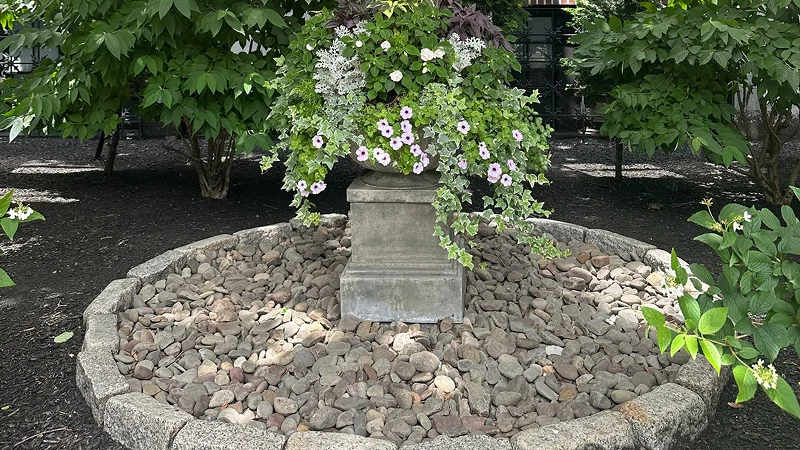
Cambridge’s public shade trees are a civic asset and a design constraint at once. We plant for the light that’s actually there — heucheras, hostas, ferns, and shade-tolerant annuals like begonias and impatiens for color that holds up under a maple canopy — instead of forcing sun-loving species into beds that get two hours of dappled light on a good day.
Triple-decker porch and entry geometry
Recessed porches, narrow front setbacks, and shared entries mean container placement has to account for foot traffic, mail delivery, and sometimes three households’ worth of opinions. We size and site window boxes and urns so they read well from the street without narrowing the walkway, and we confirm with property managers when a triple-decker has multiple stakeholders before finalizing a plan.
Compact yards and limited bed space
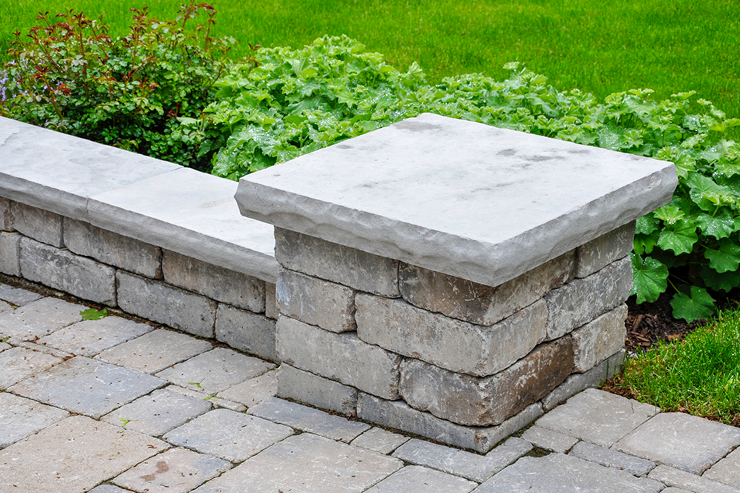
Many Cambridge lots — particularly in Cambridgeport and around Central Square — carry small or nonexistent front yards, pushing the real planting opportunity onto stoops, fire-escape-adjacent containers, and small side strips. We treat these tight footprints as intentional design zones rather than leftover space, using vertical layering and repeat containers to make a small area read as considered rather than cramped.
Recent Cambridge work
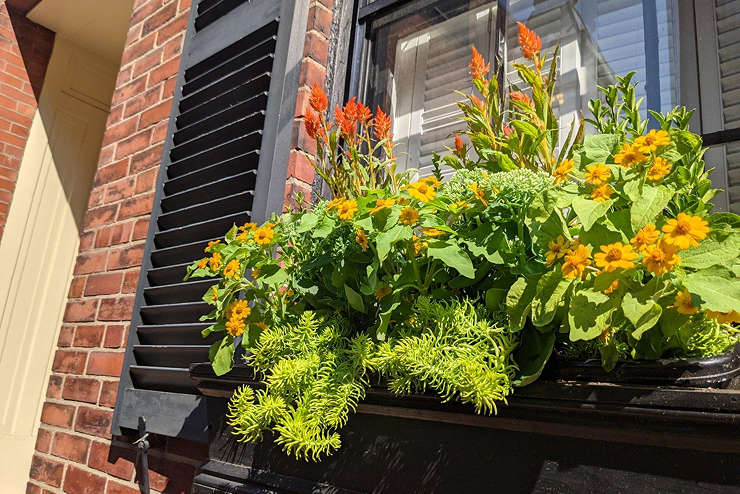
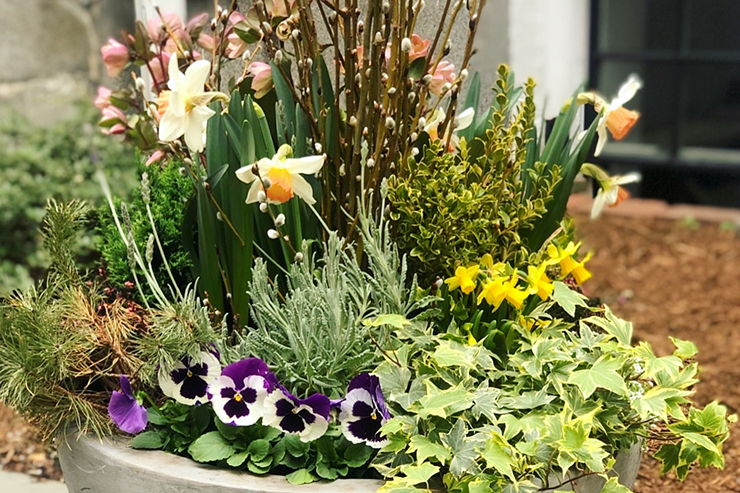
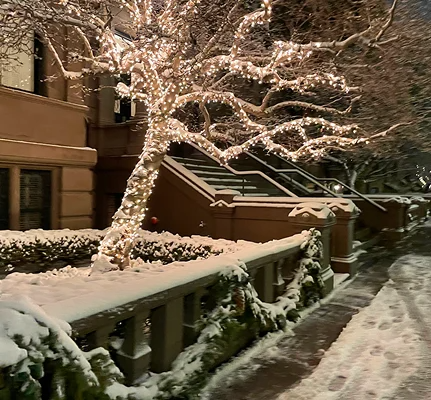
A recurring project type for us in Cambridge is the shaded triple-decker entry: three or four matched window boxes across stacked porches, planted for a part-shade palette that holds color from spring through the first frost, paired with a Historical Commission-appropriate container finish. We’ve also done seasonal changeouts for single-family Victorians near Avon Hill where the client wanted the front bed and a pair of entry urns rotated on a set schedule rather than left to fade between visits.
Other services we provide in Cambridge
Flower and plant installation is one piece of a broader garden services program in Cambridge. We also handle full garden design and installation for front and back beds, fine gardening and ongoing maintenance to keep those plantings looking deliberate through the season, custom containers and window boxes sized for triple-decker and Victorian facades, roof deck and terrace planting for the city’s growing number of rooftop outdoor rooms, drip irrigation runs that keep shaded and sun-exposed beds from being watered on the same schedule, and low-voltage landscape lighting that highlights entries and walkways without tripping Historical Commission concerns about visible fixtures.
Start with a consultation
Rouvalis Gardens is based at 5 Crescent St in Cambridge, about 2.8 miles from most Cambridge addresses — close enough that a first site visit can usually happen within the week. Call to set up a consultation. We’ll walk the space, talk through what the light and any Historical Commission requirements allow, and follow up with a plant and container plan before anything is installed. For comparison, see how this same service is handled in Boston and in South End and Back Bay.
What Our Customers Say
Frequently Asked Questions
Does street-facing planting in Cambridge need Historical Commission approval?
It depends on the district and whether the property is individually listed or contributing to a local historic district. Container plantings and window boxes are usually fine without a formal filing, but attached hardware or changes visible from the street on a designated property can require review. We flag this during the consultation and plan around it rather than after the fact.
What plants actually survive the shade under Cambridge's street trees?
Heucheras, hostas, ferns, astilbe, and shade-tolerant annuals like begonias and impatiens perform reliably under a mature maple or linden canopy. We assess the specific light pattern at each address before finalizing a plant list, since shade depth varies block to block.
Can you work with triple-decker properties that have multiple tenants or owners?
Yes. We coordinate with property managers or condo associations when a triple-decker has shared entry space, and we design container placement so it works for foot traffic and mail access across all units, not just the ground-floor unit.
Do you handle seasonal changeouts for Cambridge window boxes?
Yes, this is one of our most common requests here. We schedule spring, summer, and fall rotations so containers stay in bloom through the season instead of fading between one-time installs.
How far is Cambridge from your Cambridge location?
About 2.8 miles. Most Cambridge consultations and installations can be scheduled within the same week we're contacted.