- Serving Boston and the Greater Boston Area

- Home
- Services
- Garden Design Services
- Landscape Design
- Urban Garden Design
- Rooftop Garden Installation
- Roof Deck Planting
- Container Gardening Services
- Seasonal Container Planting
- Window Boxes
- Fine Gardening
- Garden Maintenance
- Planting Maintenance
- Flower & Plant Installation
- Drip Irrigation Installation
- Landscape Lighting
- Service Areas
Charlestown, MA
- Garden Services in Charlestown, MA
- Garden Design in Charlestown, MA
- Landscape Design in Charlestown, MA
- Urban Garden Design in Charlestown, MA
- Rooftop Garden Installation in Charlestown, MA
- Roof Deck Planting in Charlestown, MA
- Container Gardening in Charlestown, MA
- Seasonal Container Planting in Charlestown, MA
- Flower & Plant Installation in Charlestown, MA
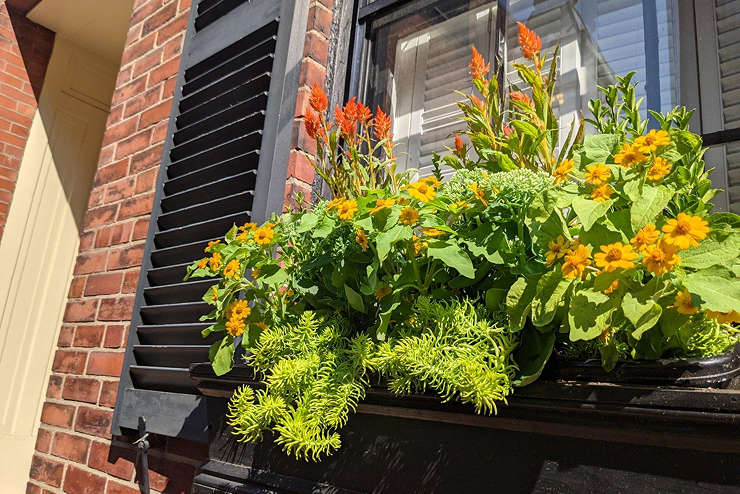
- Window Boxes in Charlestown, MA
- Fine Gardening in Charlestown, MA
- Garden Maintenance in Charlestown, MA
- Planting & Maintenance in Charlestown, MA
- Drip Irrigation Installation in Charlestown, MA
- Landscape Lighting in Charlestown, MA
North End, MA
- Garden Services in north-end, MA
- Garden Design in north-end, MA
- Landscape Design in north-end, MA
- Urban Garden Design in north-end, MA
- Rooftop Garden Installation in north-end, MA
- Roof Deck Planting in north-end, MA
- Container Gardening in north-end, MA
- Seasonal Container Planting in north-end, MA
- Flower & Plant Installation in north-end, MA
- Window Boxes in north-end, MA
- Fine Gardening in north-end, MA
- Garden Maintenance in north-end, MA
- Planting & Maintenance in north-end, MA
- Drip Irrigation Installation in north-end, MA
- Landscape Lighting in north-end, MA
Downtown Boston, MA
- Garden Services in downtown boston, MA
- Garden Design in downtown boston, MA
- Landscape Design in downtown boston, MA
- Urban Garden Design in downtown boston, MA
- Rooftop Garden Installation in downtown boston, MA
- Roof Deck Planting in downtown boston, MA
- Container Gardening in downtown boston, MA
- Seasonal Container Planting in downtown boston, MA
- Flower & Plant Installation in downtown boston, MA
- Window Boxes in downtown boston, MA
- Fine Gardening in downtown boston, MA
- Garden Maintenance in downtown boston, MA
- Planting & Maintenance in downtown boston, MA
- Drip Irrigation Installation in downtown boston, MA
- Landscape Lighting in downtown boston, MA
Beacon Hill, MA
- Garden Services in beacon hill, MA
- Garden Design in beacon hill, MA
- Landscape Design in beacon hill, MA
- Urban Garden Design in beacon hill, MA
- Rooftop Garden Installation in beacon hill, MA
- Roof Deck Planting in beacon hill, MA
- Container Gardening in beacon hill, MA
- Seasonal Container Planting in beacon hill, MA
- Flower & Plant Installation in beacon hill, MA
- Window Boxes in beacon hill, MA
- Fine Gardening in beacon hill, MA
- Garden Maintenance in beacon hill, MA
- Planting & Maintenance in beacon hill, MA
- Drip Irrigation Installation in beacon hill, MA
- Landscape Lighting in beacon hill, MA
Boston, MA
- Garden Services in boston, MA
- Garden Design in boston, MA
- Landscape Design in boston, MA
- Urban Garden Design in boston, MA
- Rooftop Garden Installation in boston, MA
- Roof Deck Planting in boston, MA
- Container Gardening in boston, MA
- Seasonal Container Planting in boston, MA
- Flower & Plant Installation in boston, MA
- Window Boxes in boston, MA
- Fine Gardening in boston, MA
- Garden Maintenance in boston, MA
- Planting & Maintenance in boston, MA
- Drip Irrigation Installation in boston, MA
- Landscape Lighting in boston, MA
seaport, MA
- Garden Services in seaport, MA
- Garden Design in seaport, MA
- Landscape Design in seaport, MA
- Urban Garden Design in seaport, MA
- Rooftop Garden Installation in seaport, MA
- Roof Deck Planting in seaport, MA
- Container Gardening in seaport, MA
- Seasonal Container Planting in seaport, MA
- Flower & Plant Installation in seaport, MA
- Window Boxes in seaport, MA
- Fine Gardening in seaport, MA
- Garden Maintenance in seaport, MA
- Planting & Maintenance in seaport, MA
- Drip Irrigation Installation in seaport, MA
- Landscape Lighting in seaport, MA
back bay, MA
- Garden Services in back bay, MA
- Garden Design in back bay, MA
- Landscape Design in back bay, MA
- Urban Garden Design in back bay, MA
- Rooftop Garden Installation in back bay, MA
- Roof Deck Planting in back bay, MA
- Container Gardening in back bay, MA
- Seasonal Container Planting in back bay, MA
- Flower & Plant Installation in back bay, MA
- Window Boxes in back bay, MA
- Fine Gardening in back bay, MA
- Garden Maintenance in back bay, MA
- Planting & Maintenance in back bay, MA
- Drip Irrigation Installation in back bay, MA
- Landscape Lighting in back bay, MA
cambridge, MA
- Garden Services in cambridge, MA
- Garden Design in cambridge, MA
- Landscape Design in cambridge, MA
- Urban Garden Design in cambridge, MA
- Rooftop Garden Installation in cambridge, MA
- Roof Deck Planting in cambridge, MA
- Container Gardening in cambridge, MA
- Seasonal Container Planting in cambridge, MA
- Flower & Plant Installation in cambridge, MA
- Window Boxes in cambridge, MA
- Fine Gardening in cambridge, MA
- Garden Maintenance in cambridge, MA
- Planting & Maintenance in cambridge, MA
- Drip Irrigation Installation in cambridge, MA
- Landscape Lighting in cambridge, MA
south-end, MA
- Garden Services in south-end, MA
- Garden Design in south-end, MA
- Landscape Design in south-end, MA
- Urban Garden Design in south-end, MA
- Rooftop Garden Installation in south-end, MA
- Roof Deck Planting in south-end, MA
- Container Gardening in south-end, MA
- Seasonal Container Planting in south-end, MA
- Flower & Plant Installation in south-end, MA
- Window Boxes in south-end, MA
- Fine Gardening in south-end, MA
- Garden Maintenance in south-end, MA
- Planting & Maintenance in south-end, MA
- Drip Irrigation Installation in south-end, MA
- Landscape Lighting in south-end, MA
brookline, MA
- Garden Services in brookline, MA
- Garden Design in brookline, MA
- Landscape Design in brookline, MA
- Urban Garden Design in brookline, MA
- Rooftop Garden Installation in brookline, MA
- Roof Deck Planting in brookline, MA
- Container Gardening in brookline, MA
- Seasonal Container Planting in brookline, MA
- Flower & Plant Installation in brookline, MA
- Window Boxes in brookline, MA
- Fine Gardening in brookline, MA
- Garden Maintenance in brookline, MA
- Planting & Maintenance in brookline, MA
- Drip Irrigation Installation in brookline, MA
- Landscape Lighting in brookline, MA
winchester, MA
- Garden Services in winchester, MA
- Garden Design in winchester, MA
- Landscape Design in winchester, MA
- Urban Garden Design in winchester, MA
- Rooftop Garden Installation in winchester, MA
- Roof Deck Planting in winchester, MA
- Container Gardening in winchester, MA
- Seasonal Container Planting in winchester, MA
- Flower & Plant Installation in winchester, MA
- Window Boxes in winchester, MA
- Fine Gardening in winchester, MA
- Garden Maintenance in winchester, MA
- Planting & Maintenance in winchester, MA
- Drip Irrigation Installation in winchester, MA
- Landscape Lighting in winchester, MA
newton, MA
- Garden Services in newton, MA
- Garden Design in newton, MA
- Landscape Design in newton, MA
- Urban Garden Design in newton, MA
- Rooftop Garden Installation in newton, MA
- Roof Deck Planting in newton, MA
- Container Gardening in newton, MA
- Seasonal Container Planting in newton, MA
- Flower & Plant Installation in newton, MA
- Window Boxes in newton, MA
- Fine Gardening in newton, MA
- Garden Maintenance in newton, MA
- Planting & Maintenance in newton, MA
- Drip Irrigation Installation in newton, MA
- Landscape Lighting in newton, MA
lexington, MA
- Garden Services in lexington, MA
- Garden Design in lexington, MA
- Landscape Design in lexington, MA
- Urban Garden Design in lexington, MA
- Rooftop Garden Installation in lexington, MA
- Roof Deck Planting in lexington, MA
- Container Gardening in lexington, MA
- Seasonal Container Planting newton, MA
- Flower & Plant Installation in lexington, MA
- Window Boxes in lexington, MA
- Fine Gardening in lexington, MA
- Garden Maintenance in lexington, MA
- Planting & Maintenance in lexington, MA
- Drip Irrigation Installation in lexington, MA
- Landscape Lighting in lexington, MA
weston, MA
- Garden Services in weston, MA
- Garden Design in weston, MA
- Landscape Design in weston, MA
- Urban Garden Design in weston, MA
- Rooftop Garden Installation in weston, MA
- Roof Deck Planting in weston, MA
- Container Gardening in weston, MA
- Seasonal Container Planting weston, MA
- Flower & Plant Installation in weston, MA
- Window Boxes in weston, MA
- Fine Gardening in weston, MA
- Garden Maintenance in weston, MA
- Planting & Maintenance in weston, MA
- Drip Irrigation Installation in weston, MA
- Landscape Lighting in weston, MA
wellesley, MA
- Garden Services in wellesley, MA
- Garden Design in wellesley, MA
- Landscape Design in wellesley, MA
- Urban Garden Design in wellesley, MA
- Rooftop Garden Installation in wellesley, MA
- Roof Deck Planting in wellesley, MA
- Container Gardening in wellesley, MA
- Seasonal Container Planting wellesley, MA
- Flower & Plant Installation in wellesley, MA
- Window Boxes in wellesley, MA
- Fine Gardening in wellesley, MA
- Garden Maintenance in wellesley, MA
- Planting & Maintenance in wellesley, MA
- Drip Irrigation Installation in wellesley, MA
- Landscape Lighting in wellesley, MA
- Portfolio
- About us
- Blog
- Contact
- Flower Delivery
Flower & Plant Installation in Downtown Boston, MA
If you are planning plant installation on a Downtown Boston terrace or high-rise balcony, the first calls are not to a nursery — they are to building management. Freight elevator reservations, loading dock windows, and certificates of insurance usually decide the installation date before a single plant is chosen. Above the twentieth floor, wind — not light exposure — is what kills a planting scheme, snapping stems and tipping containers that would sit perfectly still in a Beacon Hill garden six blocks away.

What Flower & Plant Installation looks like in Downtown Boston
Almost none of the planting we install Downtown starts on grade. It arrives by freight elevator, gets staged in a loading dock, and moves through a service corridor to a terrace, roof deck, or Juliet balcony that was never designed with a gardener in mind. Every building has its own rules — some limit deliveries to a two-hour morning window, some require a certificate of insurance on file weeks in advance, and nearly all require a building engineer to sign off on where weight can sit relative to the structural deck below.
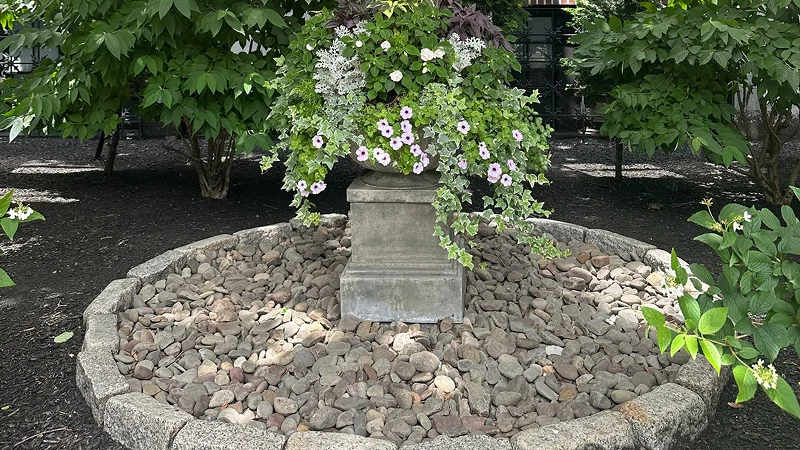
Light is rarely the limiting factor here. A south-facing terrace on the Rose Kennedy corridor or near International Place gets plenty of sun, sometimes reflected and intensified off adjacent glass towers, which changes watering frequency more than plant selection. The real design constraint is wind. Corner units and upper floors experience sustained gusts and downdrafts that most residential planting was never engineered to survive. Containers need enough ballast and a low enough center of gravity to stay put, and plant material needs to be chosen for flexibility in the stem rather than height or drama.
Soil is a non-issue because there isn’t any — every planting is a closed container system, which means drainage, irrigation, and winter protection all have to be built into the install rather than assumed from the ground up. We treat each terrace as its own microclimate: wind exposure, reflected heat, and load limits get mapped before we recommend a single species.
What we account for here
What we account for here
Downtown Boston installations succeed or fail on a small number of recurring conditions. These are the ones we plan around on every project in this part of the city.
Freight elevator and loading dock scheduling
Most towers Downtown allow deliveries only through a service entrance on a booked schedule, sometimes with a two-week lead time for a slot. We confirm the freight elevator reservation, the dock window, and any certificate of insurance the property manager requires before we quote an install date, so the day itself isn’t the first time anyone finds out the elevator was double-booked.
Building management approval and structural load limits
Roof decks and terraces have posted or engineered load limits, and property managers increasingly ask for a plan showing where weight will sit relative to structural beams below the waterproofing membrane. We work from lightweight, high-density soil mixes and self-watering containers designed to hit design specs without excess dead weight, and we provide the documentation building management asks for.
Wind load on containers and plant material
Height above the street multiplies wind speed, and corner exposures see turbulence that interior units never feel. We select containers with a low center of gravity and enough mass to resist tipping, anchor larger pieces where the deck allows it, and choose plant material — ornamental grasses, boxwood, compact hydrangea, trailing vines with flexible stems — that flexes instead of snapping in a gust.
Closed-container irrigation and drainage
With no ground to drain into, every container needs a real drainage plan and, in most cases, a drip irrigation line tied to a timer, since hand-watering forty floors up is not something most owners or building staff want on their weekly list. We size reservoirs and drip runs to the specific wind and sun exposure of that terrace, not a generic formula.
Recent Downtown Boston work
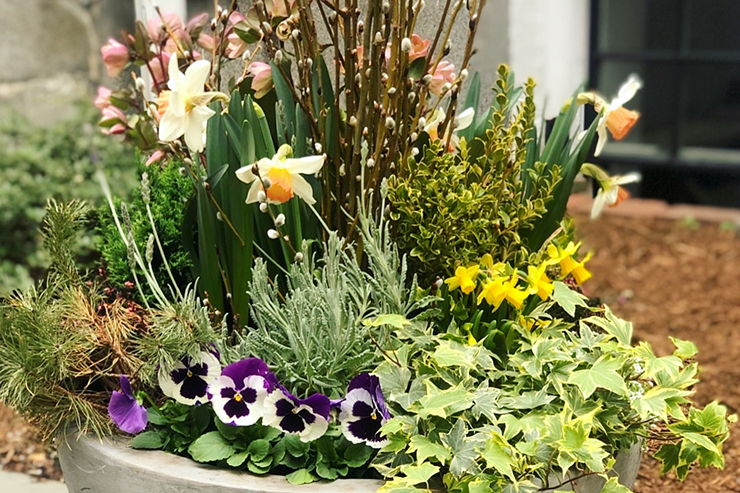
A recurring project type in this neighborhood is the full seasonal turnover on a high-floor corner terrace — swapping spring bulbs and pansies for heat-tolerant summer material, then again for fall grasses and evergreens before winter, all coordinated around a single building’s freight elevator schedule and completed in one access window per visit. We’ve also handled roof deck installations for property managers overseeing several units in the same tower, standardizing containers and irrigation across balconies so maintenance visits can move floor to floor efficiently rather than treating each terrace as a separate logistical event.
Other services we provide in Downtown Boston
Plant installation is usually the starting point, not the whole engagement. Many Downtown clients move into ongoing garden maintenance once a terrace is planted, since container plantings at this height need more consistent attention than a ground-level garden. We also design and install containers and window boxes for street-facing units where a historic facade or condo association has opinions about what’s visible from the sidewalk, and we run drip irrigation lines into nearly every terrace project so watering doesn’t depend on staff availability. For evening use, low-voltage landscape lighting on a roof deck or terrace extends the space well past sunset without tripping a building’s electrical load limits. If you’re weighing options across the wider service area, our Boston plant installation page covers the citywide picture, and we install under the same conditions — freight elevators, wind, board approvals — in Beacon Hill and the North End.
Start with a consultation
The first conversation is about access and constraints, not plant lists: which building, which floor, what the freight elevator schedule looks like, and whether property management has load or insurance requirements on file. From there we schedule a site visit, confirm the delivery window with your building, and give you a plan and quote before anything is ordered. Rouvalis Gardens is based 1.6 miles away in Downtown Boston, close enough to manage Downtown Boston’s tight elevator windows and turn projects around without the delays a farther-out crew runs into. Call to set up a consultation for your terrace, balcony, or roof deck.
Working around Downtown Boston's constraints
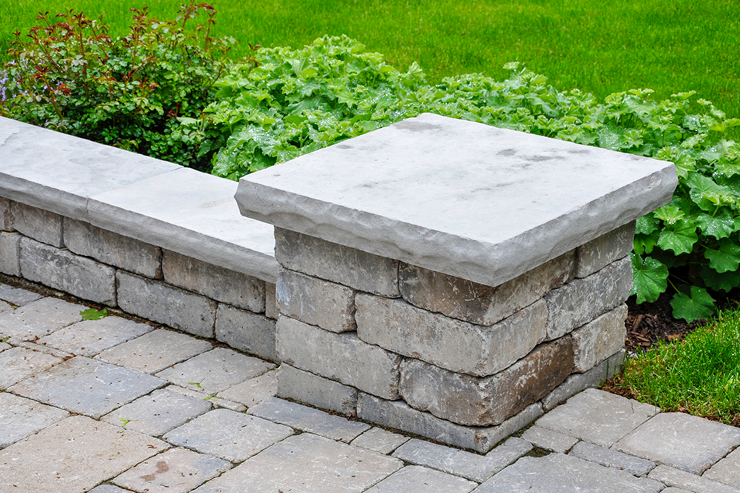
Downtown Boston properties rarely offer easy planting conditions. Building entrances often face heavy foot traffic and limited sidewalk clearance, while upper-floor terraces deal with strong wind exposure and restricted access for equipment. Plantings need to hold up between maintenance visits and still look sharp against granite, brick, and glass facades.
- Compact, high-impact container arrangements for tight entryways
- Wind-tolerant selections for exposed terraces and rooftops
- Scheduling built around building access and business hours
Rounding out your Downtown Boston property
Flower and plant installation is rarely a standalone job for high-rise lobbies, plazas, and office entries in Downtown Boston. Most clients pair it with fine gardening and maintenance to keep plantings sharp through heavy foot traffic, containers and planter design suited to hardscape and building materials, and seasonal color rotation that keeps entries looking current year-round.
For elevated properties, we also offer:
- Rooftop terrace and plaza planting built for wind and weight-load limits
- Drip irrigation for containers and raised beds exposed to sun and wind
- Low-voltage lighting for entries, courtyards, and pedestrian walkways
- Spring and fall cleanup for common areas and streetscapes
Not sure what your property needs? A short consultation lets us scope the right combination on site.
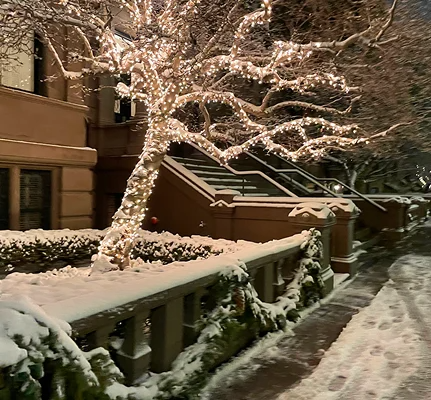
Bringing color to Downtown Boston's storefronts and lobbies
Downtown Boston’s mix of office towers, retail entries, and high-rise lobbies calls for flower and plant installations that read well from the sidewalk and hold up under constant foot traffic. We design with seasonal color, structured planters, and durable greenery suited to shaded entryways and reflected heat off glass and stone alike.
- Lobby and entrance plantings
- Seasonal rotations for retail frontage
- Container arrangements sized for tight sidewalks
What Our Customers Say
Frequently Asked Questions
Do you handle freight elevator scheduling and building insurance requirements?
Yes. We confirm the freight elevator reservation, loading dock window, and any certificate of insurance your building management requires before we set an install date, so access logistics are settled ahead of time rather than discovered on the day of the install.
Why does wind matter more than sunlight for a Downtown Boston terrace?
Height above the street multiplies wind speed, and corner units see turbulence that ground-level gardens never face. Most Downtown terraces get ample sun, but containers and plant material chosen without wind in mind tip over or shred within a season, so we design around wind exposure first.
Can you work within my building's structural load limits?
Yes. We use lightweight, high-density soil mixes and self-watering containers engineered to minimize dead weight, and we can provide documentation showing planned weight placement relative to structural beams if your property manager requires it.
Do container plantings need irrigation if there's no in-ground water source?
Almost always. Since there's no ground to retain moisture, we typically install a drip line on a timer for terrace and roof deck containers, sized to that specific exposure, so watering doesn't rely on hand-watering forty floors up.
How far are you from Downtown Boston?
Our base in Downtown Boston is about 1.6 miles from Downtown Boston, close enough that we can work within tight freight elevator and loading dock windows without long travel delays.