- Serving Boston and the Greater Boston Area

Flower & Plant Installation in Boston, MA
Flower and plant installation is the physical work of getting a planting plan into the ground or into containers — soil preparation, plant sourcing, placement, and the first watering-in — done by a crew rather than a homeowner with a trunk full of nursery flats. In Boston, where usable soil is often absent and most planting happens in containers on brick, stone, or a roof membrane, this is closer to a construction task than a weekend project. It suits owners of historic townhouses, roof decks, and terraces who have a planting plan already, or want one built, and would rather hand off the sourcing, the labor, and the watering schedule than do it themselves. Most projects run from a single afternoon for a set of window boxes to several days for a full terrace.

What's included
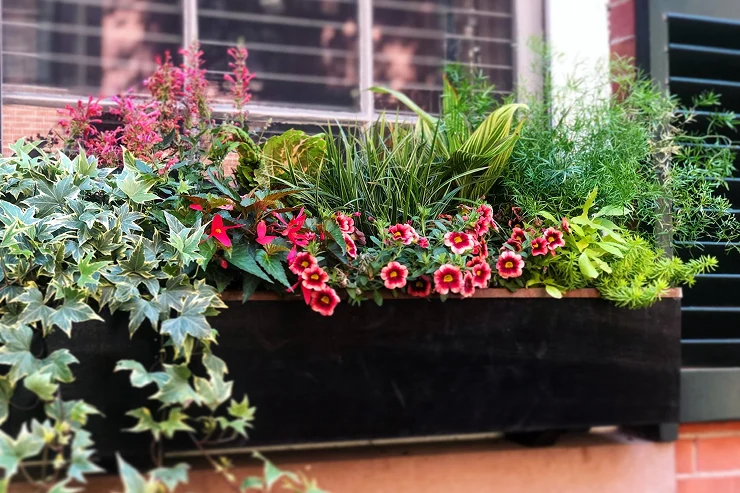
Site and soil assessment
Plant sourcing and staging
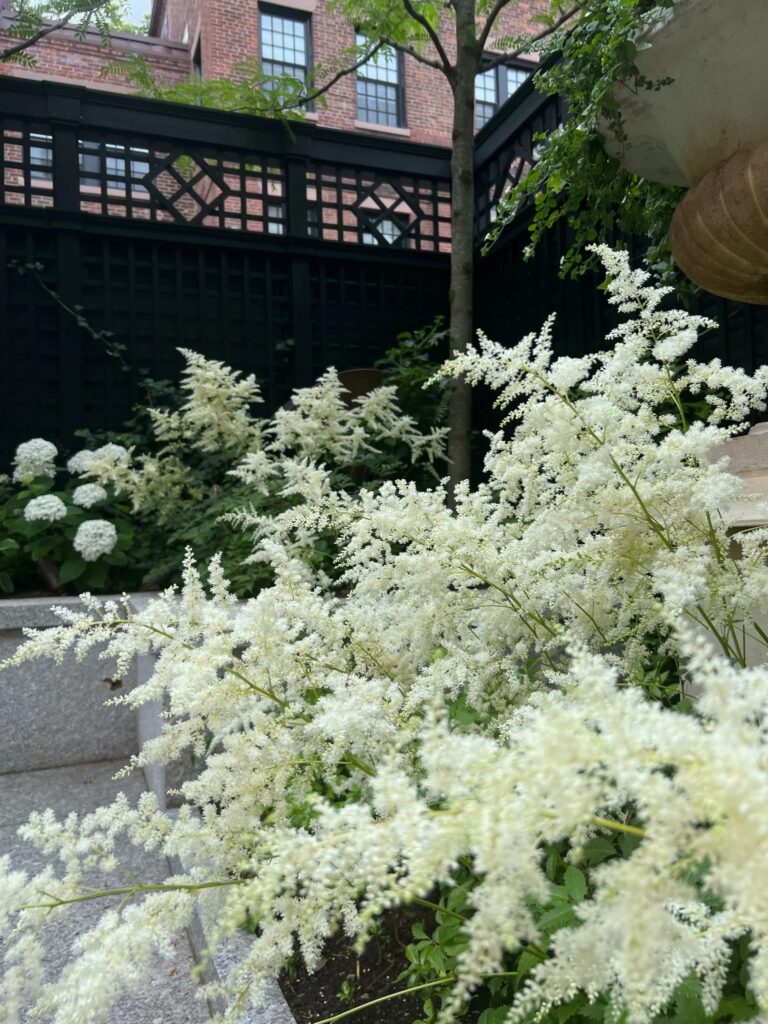
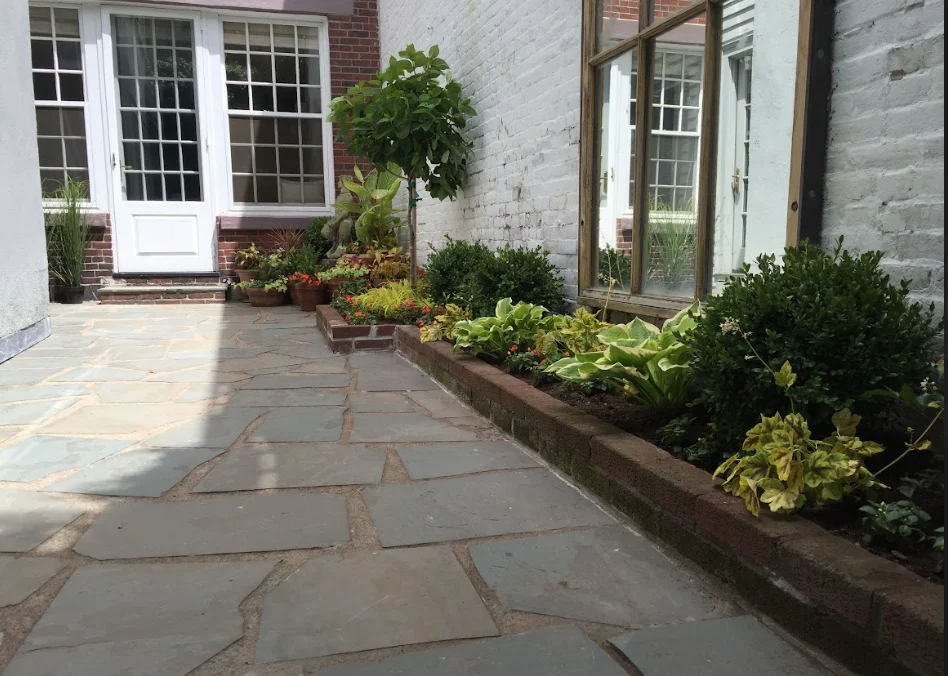
Soil preparation and amendment
Planting and placement
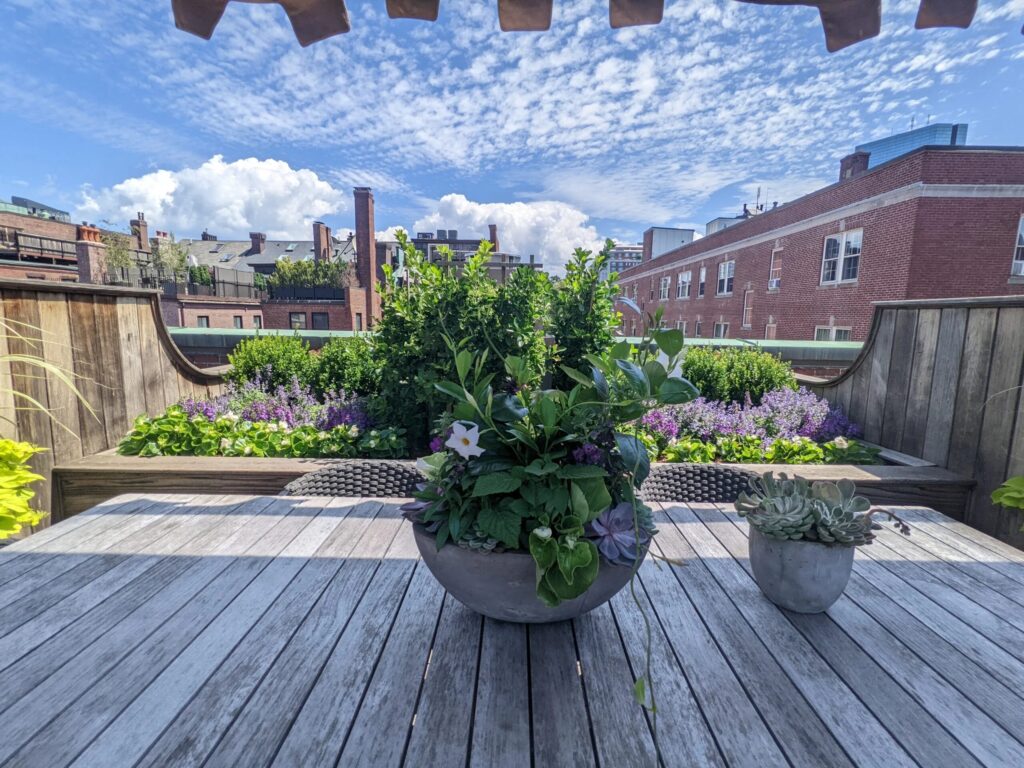
Watering-in and first-season care instructions
Cleanup and disposal
Why Flower & Plant Installation matters in Boston specifically
A planting plan that would work in most of the country runs into four problems here.
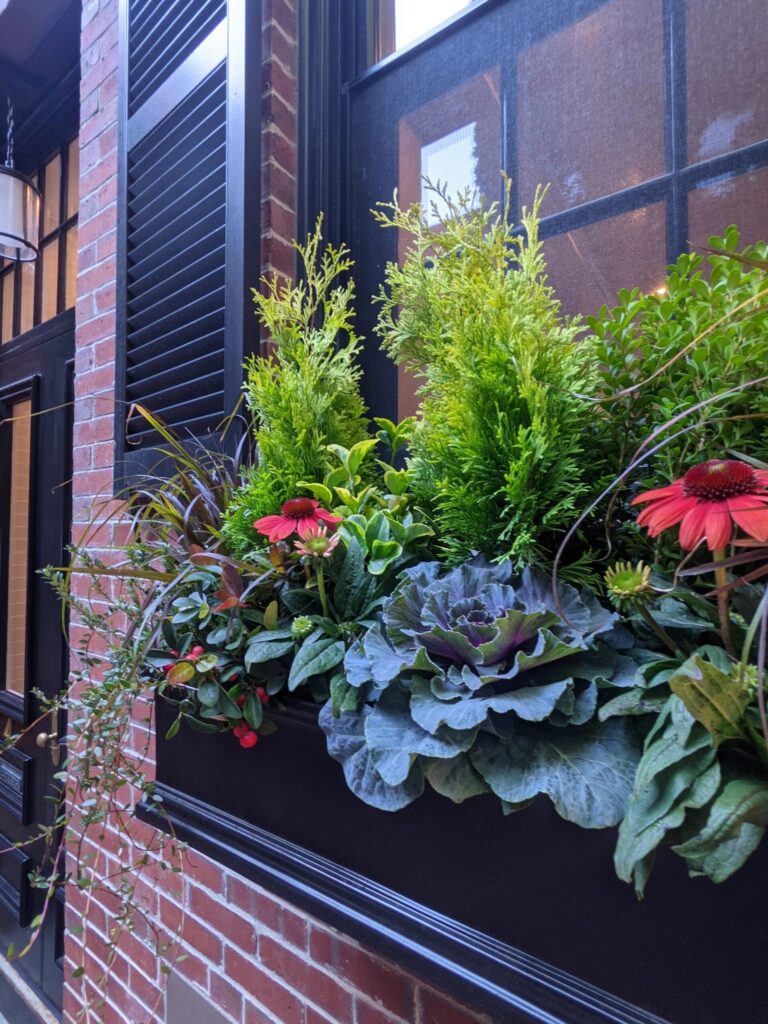
There is almost no ground-level soil to plant into in the North End and on Beacon Hill. Most lots were built out to the property line generations ago, and what soil exists is often compacted fill under a layer of brick, not a bed a shovel goes into easily. Installation in these neighbourhoods is usually container-based by necessity, not by choice, and the container sizing, drainage, and soil mix have to do the work that native ground soil would otherwise do.
South-facing brick absorbs and re-radiates heat through the afternoon and evening, and by mid-July a container against a south wall can run 15 to 20 degrees hotter at the root zone than the ambient air temperature. Plants selected for full sun on a spec sheet can still scorch in this microclimate, and containers dry out fast enough that a missed watering day shows by the next morning. Plant selection and container sizing for these walls has to account for the wall, not just the compass direction.
Wind scour becomes a real design constraint on any terrace above the fourth floor. Wind at height strips moisture from foliage and soil faster than it does at street level, snaps soft new growth, and can desiccate a plant that would be perfectly hardy for the zone at ground level. Terrace and roof deck planting above that height generally needs wind-tolerant species, staking or anchoring for taller elements, and a watering schedule adjusted upward from what the same plant would need on the ground.
And the frost window here runs from roughly mid-October to mid-May, which is a longer dormant stretch than most of the plant tags account for and shorter than most Southern suppliers expect. Fall installation has to be timed to give roots time to establish before hard frost, and any tender material — tropicals in containers, for instance — needs a firm pull-and-store date well before the first freeze rather than a wait-and-see approach.
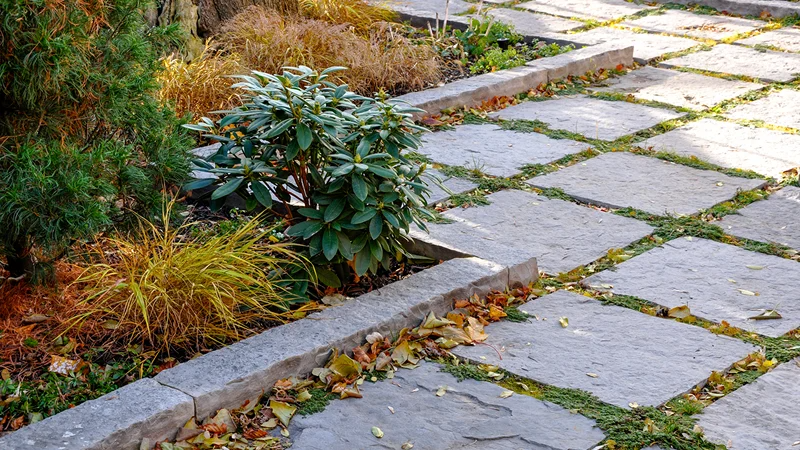
Taken together, these four conditions mean a plant list that’s correct for USDA zone 6b or 7a in the abstract can still fail on a specific Boston site, because the zone rating assumes in-ground planting at street level with typical wind exposure. A container on a ninth-floor terrace, a bed against a south-facing brick wall, and a tree pit in sidewalk pavers are each, functionally, a different climate, and the plant list has to be built for the site rather than the map.
Our process
- Consultation and site visit. We walk the site — garden bed, terrace, or roof deck — and confirm sun exposure, soil or container conditions, access, and any historic-commission or building-management constraints. Deliverable: a written scope and a plant list appropriate to the site.
- Design and plant selection. We finalize placement, quantities, and cultivars, with substitutions noted for anything that may not be available at planting time. Deliverable: a planting plan you approve before anything is ordered.
- Sourcing and scheduling. We order from regional growers and set an installation date that accounts for the plant material’s availability and the season’s frost dates. Deliverable: a confirmed installation date.
- Installation. The crew preps soil or containers, plants to the approved design, waters in, and clears the site. Deliverable: a completed installation and a same-day site walkthrough with you or your property manager.
- Handoff and care instructions. You receive a written watering and care schedule specific to your site’s exposure and container types, along with the option to move directly into ongoing maintenance if you’d rather not manage it yourself. Deliverable: a care plan in hand before the crew leaves.
Most projects move from the first call to a completed installation in two to five weeks, depending on plant availability and the season — a straightforward container refresh in spring can move faster, while a fall terrace installation with specimen material or historic-commission review built into the timeline runs longer. We’ll give you a realistic date range on the first call rather than a generic estimate.
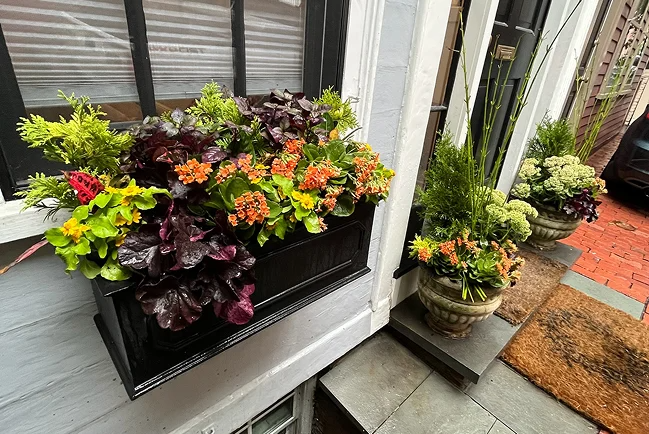
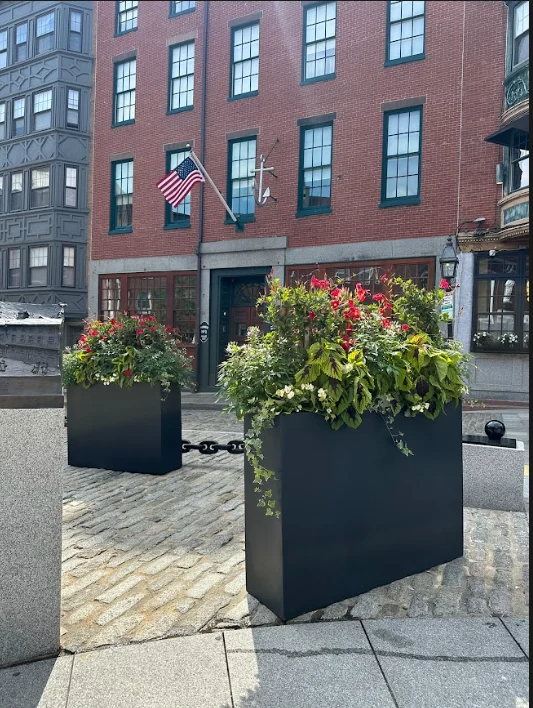
Container Gardens & Window Box Installations
Where we do this work
We work regularly in Beacon Hill, Back Bay, the South End, the North End, Charlestown, the Seaport, Cambridge, Brookline, Newton, Wellesley, Weston, Lincoln, Concord, Dover, and Chestnut Hill, and each neighbourhood below links to what the work typically involves there.
- Beacon Hill
- Back Bay
- South End
- North End
- Charlestown
- Seaport
- Cambridge
- Brookline
- Newton
- Wellesley
- Weston
- Lincoln
- Concord
- Dover
- Chestnut Hill
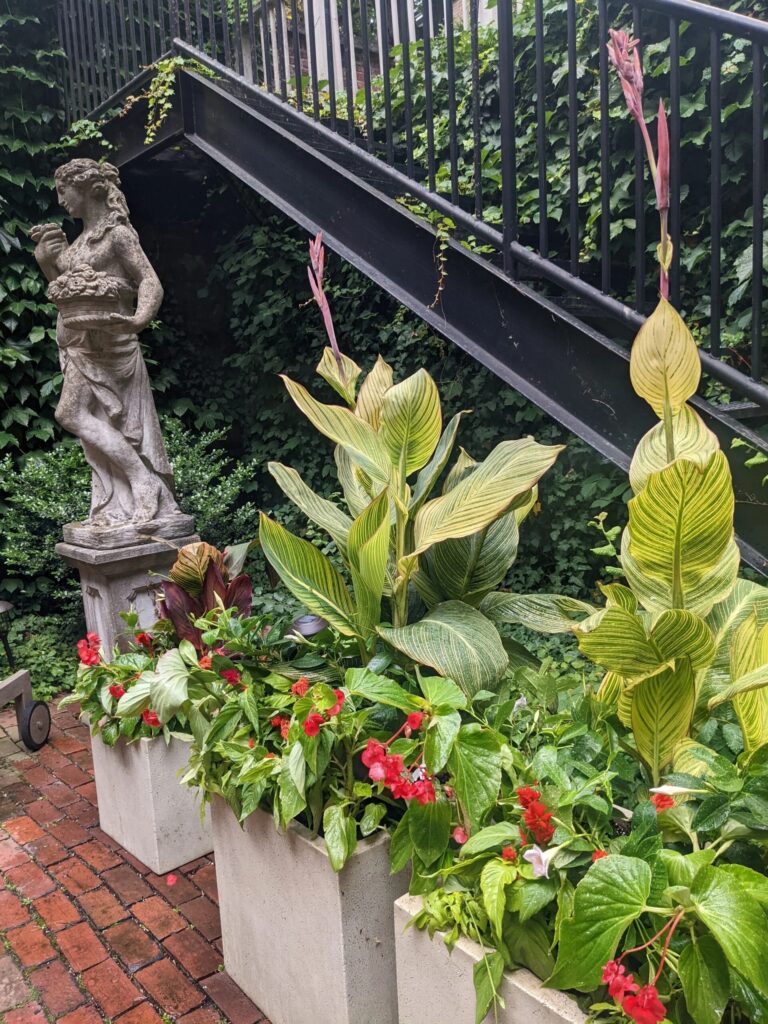
Related services
Flower and plant installation is usually one piece of a larger planting relationship. Related pages worth a look:
- Garden Design — for sites that need a plan before anything goes in the ground
- Fine Gardening & Maintenance — ongoing care once the installation is in
- Containers & Window Boxes — for container-only projects and seasonal rotations
- Roof Deck & Terrace Planting — for the specific constraints of planting at height
- Drip Irrigation — for sites where hand-watering isn’t practical
- Landscape Lighting — often installed alongside a new planting
Ready to move forward
Call (617) 555-0199 to set up a site visit. We’ll confirm exposure, soil or container conditions, and a plant list on that visit, give you a firm quote, and schedule installation around your building’s access and the season’s planting window.