
How to Transform Your Beacon Hill Outdoor Space Into a Beautiful Urban Garden
If you live in Beacon Hill, you already know your neighborhood is one of Boston’s most charming and historic areas. The cobblestone streets, brick rowhouses, and classic lantern-lit sidewalks create a setting that feels timeless and unique within the city. Outdoor spaces in Beacon Hill often reflect the same character and attention to detail found throughout the neighborhood.
Whether you have a compact courtyard, a private patio, a rooftop deck, or a collection of window boxes, every outdoor space has the potential to feel inviting and functional. With the right approach to garden design in Beacon Hill, MA, homeowners can create landscapes that complement the area’s historic appeal while adding greenery, texture, and seasonal beauty to urban living.
Designing a successful garden in Beacon Hill also involves understanding the challenges that come with city spaces, including limited square footage, varying sunlight conditions, and the need for low-maintenance plant selections. In this blog, we are sharing everything you need to know about planning and creating a beautiful Beacon Hill garden that feels balanced, practical, and connected to the neighborhood’s historic charm.
Why Beacon Hill Gardens Are Uniquely Challenging (and Rewarding)
Beacon Hill is not your average Boston suburb. The architecture is historic, the lots are compact, and the conditions can be demanding. You might be working with:
- A narrow rear garden shaded by brick walls on three sides
- A rooftop or roof deck exposed to full sun and wind
- Window boxes that need to look polished year-round
- A shared courtyard with limited soil depth
- Strict neighborhood aesthetics to maintain
These constraints are real, but they are also what make Beacon Hill gardens so rewarding when done right. A well-designed space in this neighborhood does not just look good. It feels like a natural extension of one of Boston’s most iconic streetscapes.
The key is working with a team that understands the neighborhood’s character and knows how to design around its challenges.
What Is Urban Garden Design and Why Does It Matter Here?
Urban garden design is not simply about placing plants in pots. It is a thoughtful process that considers your architecture, the available light, the microclimate, how you use the space, and what you want to feel when you step outside.
In Beacon Hill specifically, urban garden design Beacon Hill, MA requires an extra layer of care. Every design decision, from the plant palette to the container materials to the lighting, needs to feel appropriate for a neighborhood that has looked more or less the same for 200 years. The goal is to create something that feels fresh and living, without looking out of place.
At Rouvalis Gardens, our approach to urban garden design balances beauty with practicality. We think about:
- How the garden will look in January, not just June
- What plants will thrive in your specific light conditions
- How to keep maintenance manageable and efficient
- What materials will hold up through New England’s freeze-thaw cycles
- How the design integrates with your home’s existing architecture
Step 1: Start With a Real Assessment of Your Space
Before you plant anything, you need to understand your space honestly. Walk outside at different times of day. Notice where the sun hits and where it does not. Check if there are drainage issues after it rains. Think about how much time you realistically want to spend on upkeep.
For most Beacon Hill properties, the biggest factors are:
Light. Many rear gardens in this neighborhood receive partial shade due to surrounding buildings. Choosing the wrong plants for your light conditions is one of the most common and costly mistakes homeowners make.
Wind. Rooftop and roof deck spaces on Beacon Hill can experience significant wind exposure. Plants that look beautiful at street level may struggle three stories up without the right selection and support.
Soil and weight. If you are working with containers or raised beds, the quality and weight of your growing medium matters enormously, especially on roof decks where structural load is a real consideration.
Access. How will plants, soil, containers, and tools get to space? This affects everything from container sizing to what plants are even feasible.
Taking stock of these realities before designing saves you time, money, and frustration later.
Step 2: Choose a Design Direction That Fits the Neighborhood
Beacon Hill rewards restraint. The most beautiful gardens in this neighborhood tend to share a few qualities: clean lines, a limited color palette, quality materials, and plants that look intentional rather than accidental.
A few design directions that work especially well here:
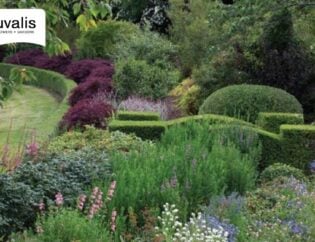
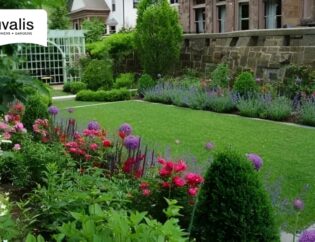
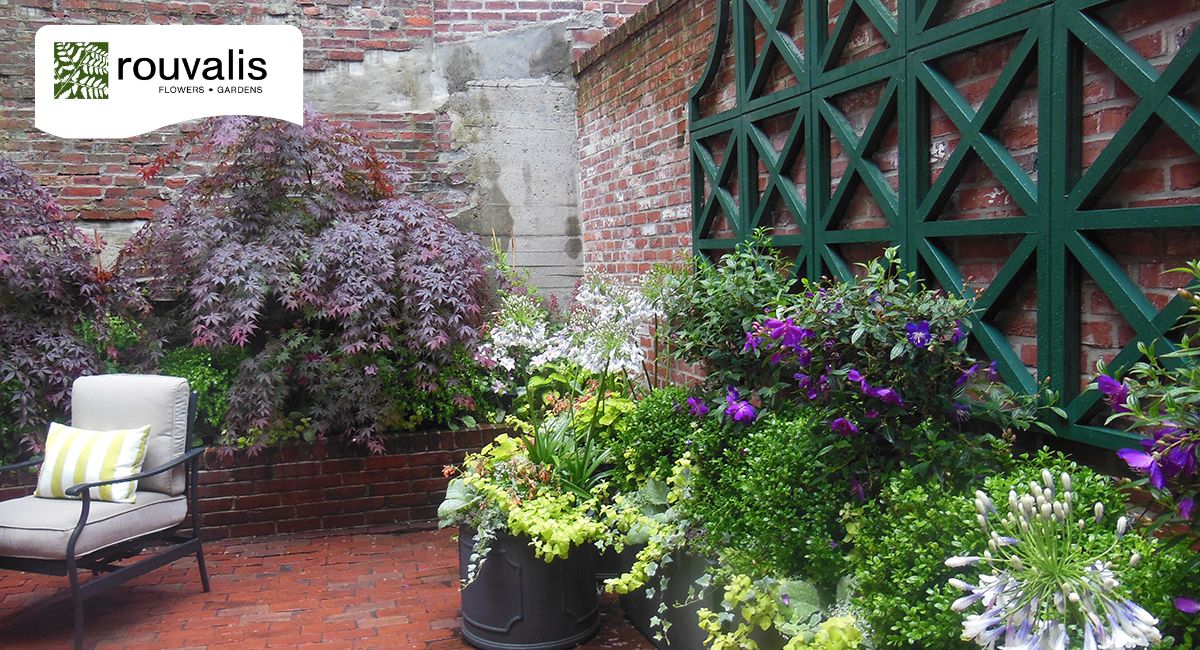
Classic Boston Courtyard Garden Boxwood hedges, climbing hydrangeas, shade-tolerant ferns, and a simple stone or brick pathway. This style honors the neighborhood’s architectural heritage while providing real seasonal interest.
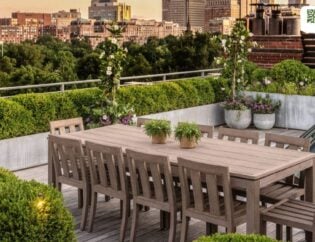
Modern Minimalist Container Garden Sleek, frost-resistant containers planted with ornamental grasses, evergreen shrubs, and seasonal color. This works beautifully on patios and roof decks where a clutter-free look is important.
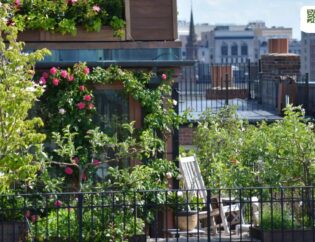
English Cottage Garden (Refined) Soft perennials like lavender, salvia, and catmint mixed with climbing roses and structured evergreens. This approach adds romance and texture while still feeling polished.
Rooftop Kitchen Garden For homeowners who want more than beauty, a kitchen garden with raised planters for herbs, tomatoes, and edible greens can be both productive and stunning, especially with good design holding it all together.
Whatever direction you choose, the best Beacon Hill gardens feel deliberate. Every plant, pot, and pathway has a reason to be there.
Step 3: Select Plants That Will Actually Thrive
Plant selection is where many DIY garden projects fall apart. People buy beautiful plants at the nursery and then watch them struggle, or worse, fail, because the conditions were not right.
Here are some plants that consistently perform well in Beacon Hill’s urban conditions:
For Shady Spots: Hostas (bold foliage, extremely reliable), astilbe (feathery blooms in summer), hellebores (elegant and early-blooming), and Japanese forest grass (adds movement and texture).
For Partial Sun Areas: Hydrangeas, catmint, salvia, and ornamental sedges all thrive with a few hours of sun per day and give you long-season interest.
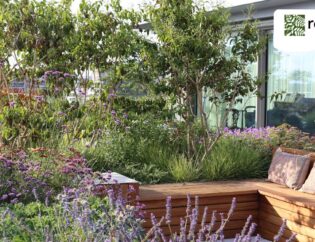
For Rooftops and Full Sun Exposures: Lavender, ornamental grasses, sedum, and drought-tolerant perennials handle wind and sun without constant watering. Pair with a drip irrigation system and they practically take care of themselves.
For Containers and Window Boxes: Seasonal rotation is the secret here. Spring bulbs and pansies give way to summer geraniums, begonias, and trailing sweet potato vine, which then transition into fall mums, ornamental kale, and evergreen branches for winter. A well-planned container rotation keeps your home looking polished year-round.
For Evergreen Structure: Boxwood, inkberry holly, and dwarf conifers provide the backbone of the garden, greenery that holds the design together even in February when everything else has faded.
Step 4: Think About Maintenance From Day One
One of the biggest mistakes people make when designing a garden is not thinking about ongoing care until after everything is installed. Then reality hits: the beautiful garden you imagined requires far more time than you have.
At Rouvalis Gardens, we design with maintenance in mind from the very beginning. That means:
Choosing the right plant-to-care ratio for your schedule. A garden that needs weekly attention is beautiful in theory but stressful in practice for most busy homeowners.
Installing drip irrigation where it makes sense. A well-designed drip system keeps plants consistently watered without daily effort. It is one of the highest-value investments you can make in a Beacon Hill garden, especially for containers and rooftop plantings that dry out quickly.
Scheduling seasonal updates. Seasonal container planting visits, typically three to four times per year, keep your entrance and outdoor spaces looking intentional through every season without requiring any effort on your part.
Building in easy-care structure. Evergreen plants, quality mulch, and well-chosen perennials reduce the amount of intervention needed between professional maintenance visits.
The goal is a garden that looks cared for even on the days between maintenance visits.
Step 5: Do Not Forget the Details
In a neighborhood like Beacon Hill, the details are everything. A beautiful garden with poor lighting, cheap containers, or mismatched materials will always look unfinished. Here is what to pay attention to:
Containers and Planters use frost-resistant materials, fiberglass, powder-coated metal, or high-fired terracotta, that can handle New England winters without cracking. The container style should complement your home’s architecture. Classic urn shapes often look at home on traditional rowhouses; clean rectangular planters suit more contemporary renovations.
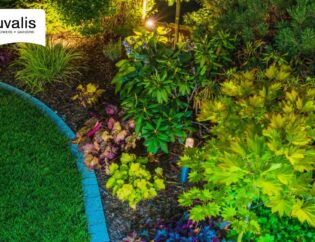
Landscape Lighting Low-voltage landscape lighting extends the beauty of your garden into the evening hours and adds a warm, welcoming glow to your entrance. In a neighborhood as atmospheric as Beacon Hill, good garden lighting can be genuinely transformative.
Window Boxes Few things make a Beacon Hill home look more polished than beautifully planted window boxes. The key is seasonal rotation and appropriate plant selection for the exposure, south-facing boxes need sun-lovers while north-facing ones need shade-tolerant varieties.
Edging and Pathways Even small details like clean garden edging and a clearly defined pathway make a garden feel intentional and designed. In tight Beacon Hill spaces, these structural elements are especially important.
Rouvalis Gardens: Beacon Hill’s Local Garden Design Team
Rouvalis Gardens has deep roots in Boston’s urban neighborhoods. Based in Charlestown and serving Beacon Hill, Back Bay, the South End, Seaport, and the Greater Boston Area, we specialize in the kind of thoughtful, refined garden design that Boston’s historic neighborhoods demand.
Our services for Beacon Hill homeowners include:
- Custom garden design and installation
- Urban and rooftop garden design
- Seasonal container planting and rotation
- Window box design and maintenance
- Drip irrigation installation and maintenance
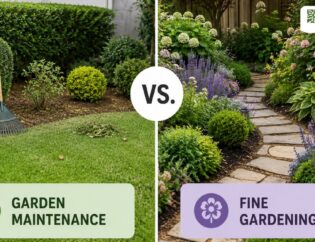
- Fine gardening and ongoing maintenance programs
- Low-voltage landscape lighting
We work from concept through completion, and we offer ongoing maintenance plans so your garden always looks its best, without you having to think about it.
Ready to transform your Beacon Hill outdoor space? Contact Rouvalis Gardens at (617) 720-2266 or visit rouvalisgardens.com to schedule a consultation.
Conclusion
Beacon Hill is one of Boston’s most treasured neighborhoods, and your outdoor space should reflect that. Whether you are starting from scratch with a bare rooftop deck, refreshing neglected window boxes, or redesigning a rear courtyard that has never quite reached its potential, the right garden design makes all the difference.
The most important thing is to start with a clear vision, honest assessment of your conditions, and a team that understands what Beacon Hill gardens require. At Rouvalis Gardens, we bring all of that, along with genuine care for your space and deep experience in Boston’s urban neighborhoods.
Your garden should be something you are proud of every time you step outside. Let us help you get there.
Frequently Asked Questions (FAQ)
Do you offer garden design specifically for Beacon Hill properties?
Yes. Rouvalis Gardens regularly designs and maintains gardens in Beacon Hill. We understand the neighborhood’s unique conditions, compact lots, shaded rear gardens, rooftop exposures, and the aesthetic standards that go along with one of Boston’s most historic neighborhoods.
My rear garden is very shaded. Can you still create something beautiful?
Absolutely. Shaded gardens are a specialty of ours. Many of Boston’s most beautiful gardens are primarily shaded. The key is selecting the right plants, hostas, hellebores, ferns, climbing hydrangeas, that truly thrive in low light rather than simply survive.
What does seasonal container planting include?
We design, source, and install seasonal plantings for your containers, window boxes, and entry areas, typically three to four times per year. Each rotation is tailored to your space and the season, so your home always looks intentionally maintained.
How much does garden design in Beacon Hill cost?
Cost varies based on the size and scope of the project, existing conditions, and what services are included. We offer personalized consultations to understand your goals and provide a detailed proposal. Contact us to schedule yours.
Can you take over maintenance of a garden you did not install?
Yes. We regularly take over care of existing gardens, evaluate what is working, refine the planting over time, and bring the space up to a level of refinement that reflects the quality Beacon Hill homes deserve.
Do rooftop and roof deck gardens require special planning?
They do. Weight loads, drainage, wind exposure, and access all need to be carefully considered before installation. Our team has extensive experience with Boston rooftop gardens and handles all of this planning as part of the design process.
Do you install drip irrigation for Beacon Hill gardens?
Yes. We design and install custom drip irrigation systems for gardens, containers, and roof decks. A properly installed system keeps plants consistently watered, reduces water waste, and takes the guesswork out of watering, especially important during Boston’s hot, dry summers.