
Develop Your Outdoor Space with Professional Roof Deck Planting in Downtown Boston, MA
Living in Downtown Boston means embracing historic charm while adapting to modern urban living. Your roof deck represents valuable square footage that can become a thriving green sanctuary high above the city streets. Roof deck planting in Downtown Boston, MA offers a unique opportunity to create a personal oasis that reflects the neighborhood's timeless elegance while providing a peaceful retreat from busy city life.

What Our Customers Say
Professional Roof Deck Planting Services in
Downtown Boston, MA
Successful Rooftop Gardens: Professional Planning & Care
Rooftop gardening needs more than pots on a deck—it requires proper weight distribution, drainage, climate-appropriate plants, and regular maintenance. Our Downtown Boston, MA roof deck planting services handle everything from design to seasonal upkeep.
Our Process:
- We start by assessing your roof's structural capacity and Boston's building codes, especially important for historic Downtown Boston properties. Each project balances building integrity with maximum planting potential.
- During design, we focus on your goals: seasonal flowers, kitchen herbs and vegetables, or low-maintenance evergreens. Your vision shapes our plant selection and layout.
- Installation includes selecting proper containers, premium soil, irrigation systems, and strategic placement. We source locally-grown plants already adapted to New England's climate, improving survival rates and reducing adjustment time.
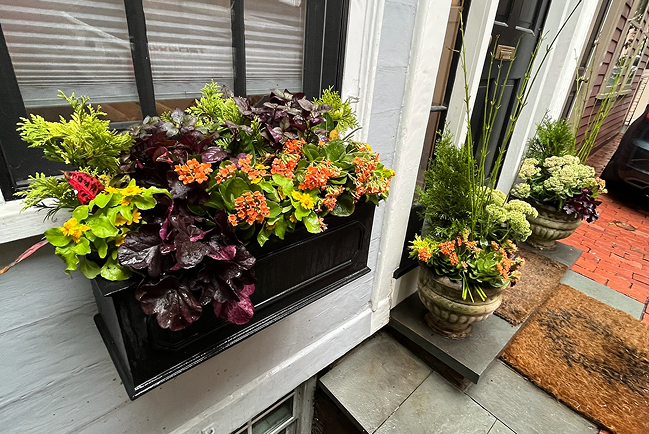
Advantages of Roof Deck Planting
The benefits of rooftop gardens extend far beyond aesthetic appeal. Plants on your Downtown Boston roof deck create multiple layers of value that improve both your immediate environment and the broader urban ecosystem.
Living plants naturally cool the surrounding air through evapotranspiration. During Boston's hot summer months, a planted roof deck can be several degrees cooler than one with only hardscaping. This cooling effect extends into your home, potentially reducing air conditioning costs while creating more comfortable outdoor living conditions.
Plants filter particulates from the air and absorb carbon dioxide while releasing oxygen. In an urban setting where air quality can suffer from vehicle emissions and industrial activity, your rooftop garden becomes a small but meaningful contributor to cleaner air. Certain plant species are particularly effective at capturing airborne pollutants.
Boston faces increasing challenges with stormwater runoff during heavy rain events. Plants and growing media absorb significant amounts of rainfall, reducing the volume of water that enters the city's drainage system. This absorption happens gradually, preventing the surges that can overwhelm infrastructure during storms.
The combination of plant material and growing media acts as a sound buffer, absorbing and deflecting noise from traffic, construction, and other urban sources. Downtown Boston residents often notice that their planted roof decks feel quieter and more secluded than bare surfaces.
Strategic placement of taller plants and trellised vines creates natural privacy barriers without the institutional feel of solid panels. As plants mature, they provide increasingly effective screening while maintaining the organic, living character that makes rooftop gardens special.
Access to green space has documented positive effects on stress levels, mood, and overall wellbeing. Having your own rooftop garden means you can step into nature without leaving home. The simple act of tending plants provides mindful activity that many people find therapeutic.
A well-designed and maintained roof deck planting scheme adds tangible value to your property. Potential buyers or renters in Downtown Boston recognize the rarity and appeal of functional outdoor space, particularly when it includes thoughtful landscaping.
Your rooftop garden can attract pollinators, birds, and beneficial insects, contributing to urban biodiversity. Even a modest collection of flowering plants provides nectar sources for bees and butterflies, while certain shrubs produce berries that feed migrating birds.
Creating Four-Season Interest on Your Downtown Boston Roof Deck
Boston's distinct seasons present both challenges and opportunities for roof deck planting in Downtown Boston, MA, where thoughtfully planned rooftop gardens provide year-round beauty rather than looking vibrant only during summer months. Spring arrives with early bulbs planted in fall—crocuses, daffodils, and tulips that signal winter's end—while cool-season pansies and violas add color when most perennials are just emerging, and flowering shrubs like rhododendrons and azaleas thrive in large containers with spectacular displays that transform exposed rooftops into seasonal showcases.
Plant Selection for Downtown Boston Rooftop Conditions
Choosing plants for roof deck planting in Downtown Boston, MA requires understanding the specific challenges of elevated gardens, where rooftop conditions differ dramatically from ground-level environments in ways that critically affect plant survival and performance. Wind exposure intensifies on roof decks as buildings no longer provide the ground-level protection that shelters traditional gardens, forcing plants to withstand gusty conditions that rapidly dry foliage and snap weak stems. Successful rooftop gardeners select species with flexible stems, compact leaves, or naturally low-growing habits—characteristics that help plants bend rather than break in wind, retain moisture more effectively, and maintain their structure despite constant air movement that would quickly damage large-leaved or tall, spindly varieties.
Container and Soil Considerations for Rooftop Success
The containers and growing media you select are fundamental to your garden's success, directly affecting plant health, growth rates, and how much maintenance you'll need to provide. Quality pots with proper drainage, appropriate size, and durable materials paired with well-formulated growing media that balances water retention, aeration, and nutrition create the foundation for vigorous root development and healthy plants. Cutting corners on these basics often leads to struggling plants plagued by poor drainage, compacted roots, or nutrient deficiencies, while investing in proper containers and quality growing media sets up your garden to thrive with less intervention and better results.
Irrigation Systems for Downtown Boston Roof Decks
Consistent moisture stands as the primary challenge in rooftop container gardening, where plants dry out far more rapidly than their ground-level counterparts due to increased sun exposure, wind, and limited soil volume. During hot weather, these elevated gardens often demand daily watering—a commitment that proves impractical for most homeowners juggling busy schedules, making automated irrigation systems or drought-tolerant plant selections essential for long-term success.
Seasonal Maintenance for Roof Deck Gardens
Roof deck planting in Downtown Boston, MA requires different maintenance approaches across Boston's four distinct seasons. Understanding these seasonal needs helps keep your rooftop garden healthy and attractive throughout the year.
As temperatures warm, we remove winter protection materials and clean up any plant debris. Early spring is ideal for dividing overcrowded perennials, refreshing container soil, and applying slow-release fertilizer. We inspect irrigation systems and restart them for the growing season. Spring pruning shapes shrubs and removes any winter damage. New seasonal color gets planted once frost danger passes.
During hot months, monitoring moisture levels becomes critical. Even with irrigation systems, we verify that water reaches all containers adequately and adjust settings as needed. Deadheading spent flowers encourages continued blooming. Fertilization continues on an appropriate schedule for container plants. We watch for pest issues and address them promptly using appropriate control methods.
As growth slows, we reduce watering frequency and stop fertilizing to let plants harden off before winter. Fall is perfect for planting spring bulbs and adding cool-season annuals like pansies. We may add evergreen boughs or other winter interest elements. Final irrigation system inspection happens before shutdown and winterization.
Container plants need protection from Boston's harsh winters. We may wrap containers with insulation or move them to sheltered locations. Sensitive plants might need burlap screens against wind and sun. Evergreens benefit from anti-desiccant sprays that reduce moisture loss. We monitor for snow load issues and address ice dam concerns around planted areas.
Get Started with Your Downtown Boston Roof Deck Garden Today
Transform your Downtown Boston roof deck into a flourishing garden sanctuary
Let's discuss your vision for rooftop plantings that reflect your style while thriving in Boston's urban environment. Schedule your consultation to explore the possibilities.
Sustainable Practices in Rooftop Gardening
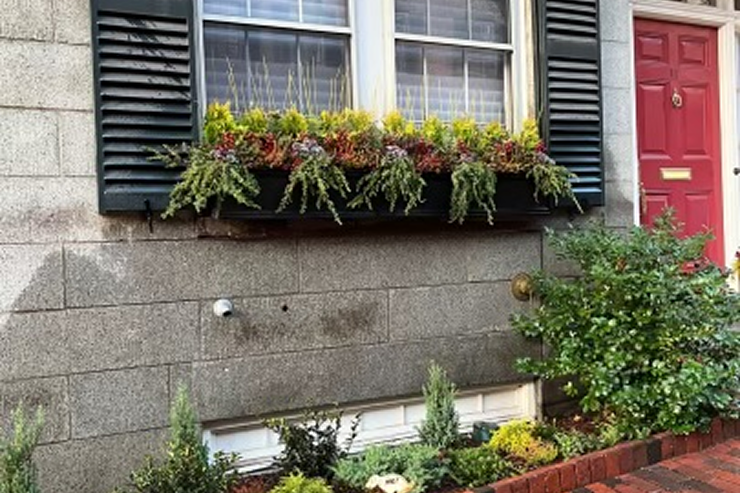
Environmental responsibility guides our approach to roof deck planting in Downtown Boston, MA, where rooftop gardens naturally provide ecological benefits that we amplify through sustainable practices. We prioritize native plant species that support local pollinators and wildlife while requiring minimal water and maintenance, use organic growing media and natural fertilizers to protect urban water quality, and implement efficient irrigation systems that capture and reuse rainwater. Our designs incorporate recycled and locally sourced materials whenever possible, and we select plants that enhance air quality, reduce the urban heat island effect, and provide natural insulation to decrease building energy consumption. By combining these eco-conscious methods with beautiful design, we create rooftop gardens that serve as productive green spaces contributing positively to Downtown Boston's urban ecosystem while offering residents a sustainable outdoor retreat.
Addressing Common Challenges in Roof Deck Planting
Even well-designed rooftop gardens face occasional challenges. Recognizing and addressing these issues quickly prevents minor problems from becoming major setbacks.
Wind Damage
Strong winds can topple containers, break plant stems, and dry out foliage. Securing containers with adhesive pads or brackets prevents tipping. Staking tall plants provides support. Creating windbreaks with strategic plant placement or screens protects vulnerable specimens.
Extreme Temperatures
Summer heat and winter cold both stress rooftop plants. Adequate container size provides root insulation. Light-colored containers reduce heat absorption. Moving containers to sheltered areas during extreme weather offers protection. Proper plant selection for your specific exposure patterns prevents many temperature-related issues.
Drainage Problems
Water must drain freely from containers and off your deck surface. We ensure containers have adequate holes and use fast-draining growing media. Deck drainage systems need regular inspection to prevent clogs that could cause standing water or ice dams.
Pest Infiltration
Aphids, spider mites, and other pests occasionally attack rooftop plants. Regular monitoring catches infestations early when they're easier to control. Strong, healthy plants resist pests better than stressed specimens. Beneficial insects can help control problem populations naturally.
Plant Failure
Sometimes plants don't survive despite good care. Container culture is more challenging than ground planting, and losses happen. We identify why plants failed and adjust our approach—perhaps choosing more cold-hardy varieties, improving drainage, or adjusting irrigation schedules. Failed plants get replaced to maintain your garden's appearance.
Why Choose Our Roof Deck Planting Services in Downtown Boston
Understanding Downtown Boston's unique character—from its historic designation and distinctive architectural styles to its specific microclimate patterns—is what separates adequate rooftop gardening from truly successful installations that thrive in this neighborhood's particular conditions. The district's protected status, exposure to Boston Harbor winds, shadowing from surrounding brick townhouses, and strict aesthetic guidelines all influence which plants flourish and which design approaches work best on your roof deck.
Frequently Asked Questions About Roof Deck Planting in Downtown Boston, MA
Weight capacity varies by building age, construction method, and existing conditions. Historic Downtown Boston buildings may have different capacities than newer construction. A structural engineer can evaluate your specific roof deck if you're uncertain. Generally, we design planting plans that distribute weight evenly and stay well within safe limits by using lightweight containers and specialized growing media.
Many plants thrive on roof decks through Boston winters when properly selected and protected. Hardy evergreens, cold-tolerant ornamental grasses, certain shrubs rated for Zone 5 or colder, and spring bulbs all work well. Container culture requires choosing plants rated one zone hardier than ground-level recommendations since containers freeze more thoroughly than the earth.
Watering frequency depends on plant selection, container size, sun exposure, wind conditions, and season. During hot summer weeks, some containers may need daily watering. Automated irrigation systems solve this challenge by delivering consistent moisture on appropriate schedules. Drought-tolerant plant choices reduce watering demands significantly.
Absolutely! Roof decks often provide excellent conditions for edible gardening, with full sun and good air circulation. Tomatoes, peppers, lettuce, herbs, and many other crops thrive in containers. We can design productive kitchen gardens that combine edible plants with ornamental varieties for beauty and function.
Properly installed rooftop gardens shouldn't damage your building or affect insurance coverage. We take precautions to protect existing surfaces and ensure proper drainage. Many Downtown Boston property owners successfully maintain rooftop gardens without issues. You may want to inform your insurance company about significant installations, but roof deck planting rarely causes coverage concerns when done correctly.
Maintenance levels vary based on your plant selections and desired appearance. Low-maintenance designs using drought-tolerant plants and automated irrigation require minimal attention—perhaps a few hours monthly during the growing season. More intensive designs with seasonal color rotations and high-maintenance plants need weekly care. We can design gardens matching your available time and interest level.
Spring and fall are ideal for installations, offering moderate temperatures that help plants establish. Spring installations give plants a full growing season to settle before winter. Fall planting works well for hardy perennials, shrubs, and spring bulbs. We can install rooftop gardens during summer or winter if needed, though plants may face more stress during these seasons.
Container plants need regular fertilization since nutrients leach out with watering. We typically apply slow-release fertilizers during planting that feed plants for several months. Supplemental liquid fertilizers can be added during the growing season. The irrigation system can deliver diluted fertilizer automatically if desired. Our maintenance programs include appropriate fertilization schedules for your specific plants.
Definitely! We integrate plantings around existing furniture, dining areas, or lounging spaces. Container placement can define different zones on your roof deck—dining areas, quiet retreats, circulation paths. Trellises, lighting, and other hardscape features can complement the planting design. Our goal is creating cohesive outdoor rooms that combine functional spaces with beautiful landscaping.
Yes, we offer comprehensive maintenance programs that keep your rooftop garden healthy and attractive year-round. Services include seasonal cleanups, pruning, fertilization, irrigation management, plant replacement, and winter protection. You can choose full-service maintenance where we handle everything or partial programs focusing on specific tasks. Many clients start with full maintenance and transition to managing some tasks themselves as they become comfortable with their rooftop garden.