
Common Issues with Container Gardening in Winchester, MA and How to Fix Them
You’ve seen them while walking down Church Street or admiring the historic homes near Wedge Pond, those perfectly manicured planters that seem to thrive regardless of the New England weather. But back at your own home, your container garden might look a little less “magazine-ready” and a little more “struggling to survive.” If your petunias are wilting by noon or your boxwoods are looking suspiciously yellow, you aren’t alone. Container gardening in Winchester, MA, presents a unique set of challenges, from the coastal humidity to the wind tunnels created by our beautiful Victorian architecture.
In this guide, we’re going to sit down and troubleshoot the most common issues Winchester residents face with their pots and window boxes. We’ll cover everything from drainage disasters to the “rooftop wind factor,” and I’ll share the professional secrets we use at Rouvalis Gardens to keep local displays looking lush from the first frost of spring to the final harvest of autumn.
The Secret to Winchester Container Success
Most container failures in Winchester stem from improper drainage, using the wrong soil for our humid climate, and failing to account for high-wind microclimates. To fix this, always use high-quality potting mix (never garden soil), ensure your pots have unobstructed drainage holes, and choose plants that match your specific neighborhood’s light and wind exposure.
1. The Drainage Dilemma: Why Your Plants are “Drowning”
It’s a common sight in Winchester after a heavy spring rainstorm: containers sitting in a pool of water, with plants looking limp and yellow. You might think they need more water, but they’re actually suffocating. Because Winchester experiences significant rainfall and high humidity, drainage is the single most important factor in container gardening Winchester, MA.
The “Perched Water Table” Problem
In a container, water doesn’t just flow out; it often sits in a saturated layer at the bottom of the pot. If you’ve followed the old advice of putting gravel at the bottom of your pots, you’ve actually made the problem worse. This creates a “perched water table,” raising the level of saturated soil closer to your plant’s roots. In Winchester’s humid summers, this leads to root rot almost instantly.
The Fix: Elevation and Aeration
First, ditch the gravel. Use a high-quality, peat-based or coco-coir-based potting mix that allows for air pockets. Second, make sure your containers are “feet up.” Using pot feet or even small bricks to lift your containers off the ground allows water to exit the drainage hole freely and prevents the pot from sealing against a flat patio surface. If you’re struggling with larger installations, professional flower & plant installation Winchester, MA can ensure your heavy planters are properly leveled and drained from day one.
2. The Wind Tunnel Effect on Rooftops and Balconies
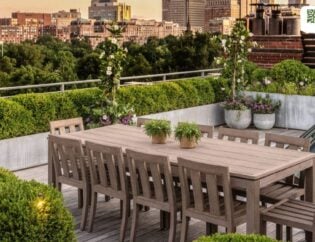
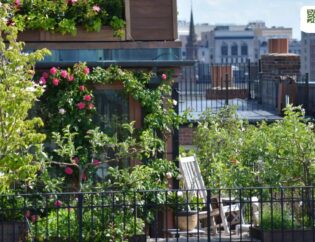
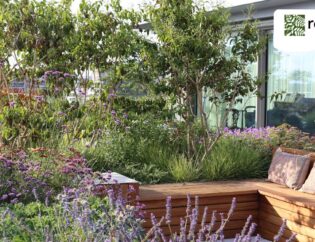
Many Winchester residents are making the most of limited outdoor space by installing rooftop gardens. However, the wind speeds atop a three-story home near the town center are significantly higher than at ground level. This wind acts like a giant hair dryer, sucking moisture out of leaves faster than the roots can replace it.
Recognizing Wind Stress
If your plants have “crispy” edges on their leaves or if your tall plants are constantly tipping over, you’re dealing with wind stress. This is a primary concern we address during rooftop garden installation Winchester, MA. Wind doesn’t just dry plants out; it can physically damage the cellular structure of delicate flowers.
The Fix: Heavy Pots and Wind-Resistant Varieties
For windy spots, weight is your friend. Avoid lightweight plastic pots that will act like sails. Instead, opt for heavy ceramics, stone, or lead-weighted fiberglass. Plant-wise, look for “flexible” species. Instead of stiff, brittle plants, choose ornamental grasses or woody shrubs like dwarf conifers that can bend with the gusts. If you’re determined to have flowers, go for low-profile options like lantana or scaevola rather than tall, top-heavy delphiniums.
3. Soil Exhaustion and the Nutrient Gap
Unlike plants in the ground, container plants have a very limited “pantry” to draw from. In Winchester, where we love our high-impact, lush floral displays, those plants are heavy feeders. By mid-July, most of the nutrients that came in your potting mix have been washed away by daily watering.
The “Mid-Summer Slump”
Have you noticed your million bells or surfinias looking pale and spindly by August? That’s not just the heat; it’s hunger. In a container environment, every time you water until it runs out the bottom, you’re leaching out nitrogen and potassium. Without a consistent feeding schedule, your seasonal container planting Winchester, MA will lose its luster long before the season is over.
The Fix: The Two-Pronged Feeding Approach
At Rouvalis, we recommend a “slow and fast” strategy. When planting, mix a slow-release granular fertilizer into the top few inches of soil. This provides a baseline of nutrition for 2-3 months. Then, starting in late June, supplement with a water-soluble “bloom booster” fertilizer every two weeks. This gives the plants the immediate energy they need to keep producing flowers during the hottest Winchester weeks.
4. Light Miscalculations in Historic Neighborhoods
Winchester is famous for its beautiful, mature tree canopy. While this makes for lovely, shaded streets, it can be a nightmare for container gardeners. A common mistake is buying “Full Sun” plants at a garden center and placing them on a porch that only gets two hours of direct light because of a massive 100-year-old oak tree next door.
The “Leggy” Look
If your plants are stretching toward the street or looking “leggy” with more stem than flower, they aren’t getting enough light. Conversely, if your shade-loving hostas have bleached, white patches on their leaves, they’re getting “sunscald” from the intense afternoon sun reflecting off a white-painted Winchester colonial.
The Fix: Map Your Microclimate
Before you buy your plants, spend a Saturday tracking the sun. “Full Sun” means 6+ hours of direct light. “Part Shade” is 4-6 hours. If you’re in a deep-shade area, lean into foliage. Caladiums, Rex Begonias, and various ferns offer incredible color and texture without needing a single ray of direct hot sun. If you’re unsure, a professional garden design Winchester, MA consultation can help identify the exact light levels of your property.
5. Failing to Transition with the Seasons
Winchester experiences sharp seasonal shifts. Many gardeners keep their summer annuals in far too long, or they put spring plants out too early. Our “last frost” date is usually in early May, but New England weather is notoriously fickle. Putting your tropical hibiscus out on May 1st is a gamble that rarely pays off.
The “Frozen Pot” Risk
Another issue is the winter transition. Many people leave their ceramic or terracotta pots filled with wet soil over the winter. When that soil freezes, it expands, and your expensive Italian terra cotta will crack. This is a costly mistake that is easily avoided with proper seasonal care.
The Fix: A Seasonal Rotation Schedule
To keep your home looking its best year-round, think in three phases for seasonal container planting Winchester, MA:
- Spring (April – May): Focus on cold-tolerant beauties like pansies, ranunculus, and hellebores.
- Summer (June – August): This is the time for heat-lovers like mandevilla, zinnias, and sweet potato vines.
- Fall (September – November): Transition to hardy mums, ornamental peppers, and kale.
For winter, we recommend emptying delicate pots or moving them into a garage. Alternatively, fill your permanent, frost-proof containers with evergreen boughs, birch poles, and winterberries for a classic Winchester winter aesthetic.
Key Takeaways for Winchester Gardeners
- Prioritize Drainage: Elevate your pots and avoid “drainage rocks” at the bottom.
- Know Your Wind: Use heavy containers and flexible plants for rooftops and balconies.
- Feed Regularly: Use both slow-release and liquid fertilizers to avoid the mid-summer slump.
- Respect the Shade: Match your plant choices to the actual light levels of your historic Winchester lot.
- Plan for Seasons: Don’t expect one planting to last from April to October; rotate your plants to match the temperature.
Conclusion
Container gardening in Winchester doesn’t have to be a struggle of trial and error. By understanding the specific environmental pressures of our town from the shade of our old-growth trees to the winds of our rooftop terraces you can create a container garden that thrives. The key is to stop treating your pots like an afterthought and start treating them like the specialized ecosystems they are.
If you’re ready to elevate your home’s curb appeal but don’t have the time to manage the trial and error yourself, let the experts help. From custom garden design Winchester, MA to full-service flower & plant installation Winchester, MA, Rouvalis Gardens can bring your vision to life. Check out our services or stop by to see what’s in season for your next project.
FAQs -(Frequently Asked Questions)
Q1. What are the best plants for containers in Winchester, MA?
For sun-drenched spots, Geraniums, Lantana, and Petunias thrive in our summer humidity. For the many shaded historic porches in Winchester, we recommend Tuberous Begonias, New Guinea Impatiens, and various types of Coleus for vibrant color without the sun.
Q2. How often should I water my containers in a Winchester summer?
During a typical Winchester July, most containers need water once a day. However, small pots or those in high-wind areas (like rooftops) may need watering twice once in the morning and once in the late afternoon. Always check the soil moisture with your finger; if the top inch is dry, it’s time to water.
Q3. Can I leave my ceramic pots outside during a Winchester winter?
Generally, no. Standard ceramic and terracotta pots are porous and will absorb moisture. When this moisture freezes, the pot will crack. It is best to empty them and store them in a shed or garage. If you want year-round displays, invest in “frost-proof” containers made of thick stone, lead, or high-quality composite materials.
Q4. Why are the leaves on my container plants turning yellow?
Yellow leaves in Winchester containers are usually caused by one of two things: overwatering (leading to root rot in our humid climate) or a lack of nitrogen. If the soil is soggy, cut back on watering and check your drainage holes. If the soil feels fine, it’s likely time to apply a water-soluble fertilizer.