
Best Urban Garden Design Trends Transforming Charlestown, MA Homes in 2026
You’re standing on your small Charlestown balcony on a spring morning, and all you see is concrete. The rooftop across the street, the narrow strip beside your brownstone, the shared courtyard no one really uses, they’re all begging for life. If this sounds familiar, you’re not alone. More Charlestown residents than ever are discovering that urban garden design Charlestown, MA isn’t just a trend; it’s a quiet revolution transforming how we live in tight urban spaces.
Charlestown has always been about character and history. But in 2026, homeowners are adding another layer: green spaces that don’t require acres of land. Whether you’re working with a 4×4-foot balcony or a modest backyard tucked between historic row houses, urban garden design is making it possible to grow food, create beauty, and find peace without leaving the neighborhood.
Let me walk you through the trends reshaping Charlestown gardens this year and how you can transform your space, no matter how small.
Vertical Gardening: Growing Up, Not Out
The most practical trend taking over urban garden design in Charlestown, MA is simple: go vertical. Charlestown homes don’t have sprawling yards, but they do have walls. Lots of walls.
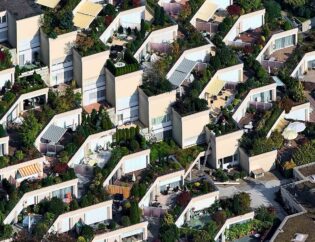
Living walls, trellises, and wall mounted planters are no longer experimental. They’re the default for anyone serious about landscape design Charlestown, MA. A single south-facing brick wall can support 20+ plantsherbs, trailing succulents, even lightweight vegetables like peas and beans. This approach solves the space problem while creating stunning visual impact.
Beauty is practical too. Vertical gardens reduce pest problems (slugs climb slower), improve air circulation around your plants, and make harvesting easier. For landscape design in dense neighborhoods like Charlestown, where land is premium real estate, vertical solutions feel less like compromise and more like genius.
Pollinator-Friendly Native Plantings
Charlestown’s historical streets might feel far from nature, but they’re not. Bees, butterflies, and hummingbirds are navigating this neighborhood, and smart gardeners are rolling out the welcome mat.
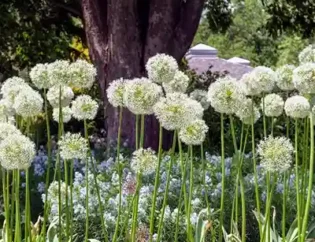
Native plant selections/coneflowers, black-eyed Susans, and serviceberries are becoming central to urban garden design. These plants require less water, less maintenance, and zero fertilizers compared to exotic alternatives. They’ve evolved to thrive in our New England climate, which means your landscape design Charlestown, MA efforts work with nature rather than against it.
What excites me most is the community effect. When five homes on the same block plant native species, you create a corridor for pollinators. Suddenly, your small balcony garden is part of something bigger. That’s the human element of urban garden design Charlestown, MAit connects us to each other and to the ecosystems we share.
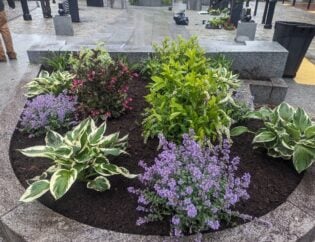
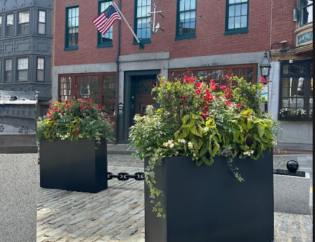
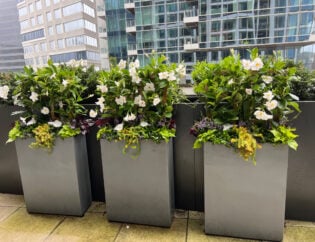
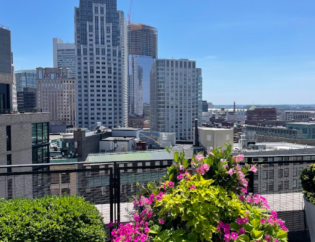
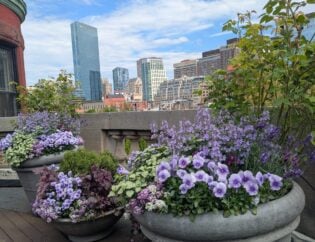
Micro-Spaces and Container Gardening Reimagined
Not every Charlestown home has yard space. But nearly every home has some horizontal surface: a fire escape, a narrow landing, a corner of a sidewalk if regulations permit.
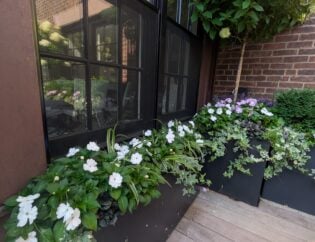
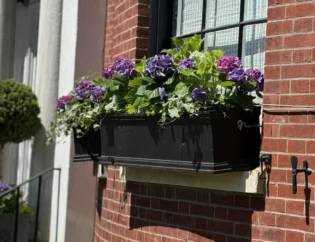
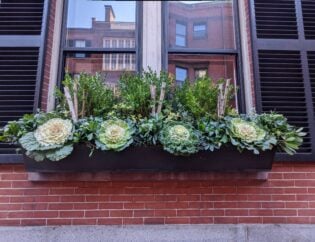
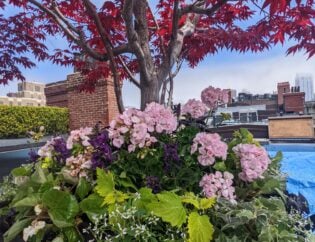
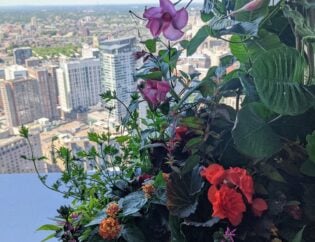
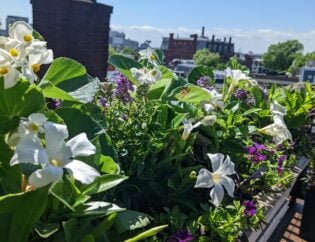
Container gardening has evolved beyond terracotta pots on windowsills. Modern urban garden design uses integrated planter systems, self-watering containers, and tiered arrangements that maximize yield in minimal footprint. One homeowner I spoke with grows lettuce, tomatoes, basil, and kale in just 12 square feet of balcony space.
This democratizes landscape design Charlestown, MA because you don’t need a contractor or permanent installation. You just need curiosity and a few quality containers. It’s gardening for renters, new homeowners, and anyone hesitant to commit.
Water-Smart Design with Harvesting Systems
Charlestown’s weather can swing wildly through wet springs, dry summers. Urban garden design is responding with practical hydration strategies.
Rain barrel systems, mulched beds that retain moisture, and drip irrigation hidden in container designs are now baseline expectations. Rather than hand-watering daily, you’re creating mini-ecosystems that moderate their own moisture. This matters emotionally tooif your plants survive your busy July schedule, you’re more likely to stick with gardening.
Landscape design Charlestown, MA that incorporates water harvesting also reduces stormwater runoff, a real environmental concern in older neighborhoods with aging infrastructure. Your garden becomes part of the city’s climate adaptation.
Edible Landscaping That Actually Looks Beautiful
The line between ornamental and productive is blurring in urban garden design Charlestown, MA right now.
Instead of hiding vegetables behind a fence, homeowners are featuring them. Blueberry bushes double as foundation plantings. Climbing beans create living screens. Fennel, with its feathery foliage, adds texture while producing seeds and pollen for beneficial insects. This trend serves the human need for beauty while addressing food security concerns.
Landscape design in Charlestown homes increasingly assumes that your plants should feed you, look good doing it, and support local ecosystems. That’s not multi-tasking; that’s just good design.
Hardscaping That Complements Green Space
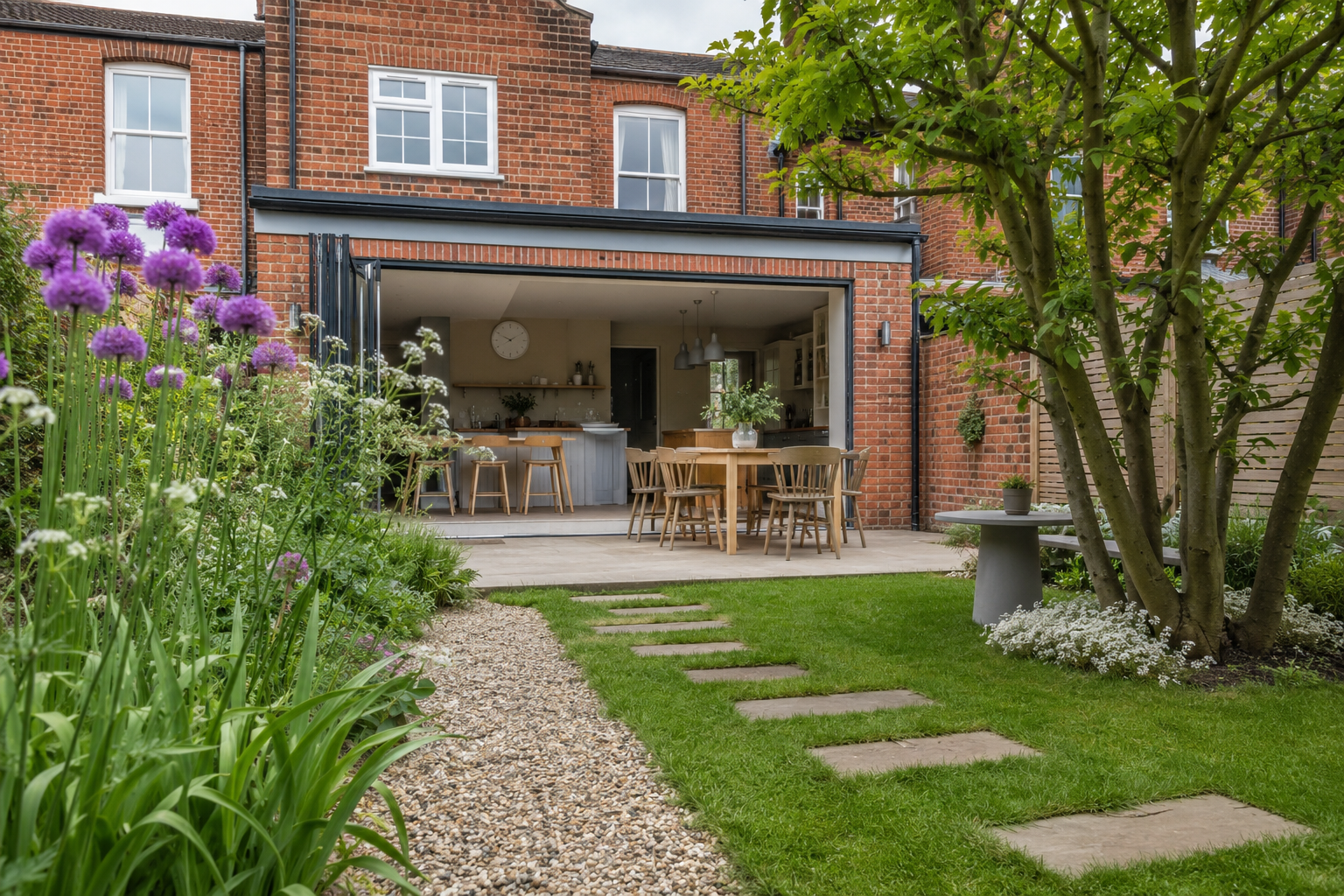
You can’t garden on pure concrete. Well, you can use containers, but thoughtful urban garden design pairs plantings with intentional hardscaping: permeable pavers that let water through, reclaimed brick pathways, or repurposed materials that honor Charlestown’s historic character.
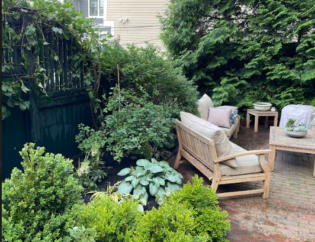
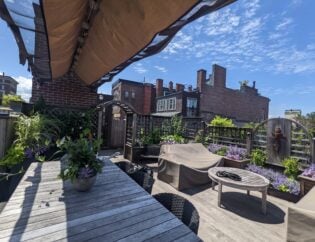
Landscape design Charlestown, MA balances green and built elements so neither overwhelms. A small patio with stone borders, a seating area surrounded by raised beds, a narrow brick path flanked by trellises; these feel intentional, not cramped.
Sensory Design: Touch, Smell, Sound
Modern urban garden design isn’t just visual anymore. Homeowners are designing for all senses.
Fragrant plants (jasmine, lavender, sweet peas) become focal points. Rustling ornamental grasses add movement and sound. Textured foliage, fuzzy lamb’s ears, spiky sedums, soft ferns invite you to touch. This matters more than it sounds. If your garden feels like a place to experience, not just look at, you’ll actually spend time there. That’s where the mental health benefits kick in.
In dense neighborhoods like Charlestown, where city sounds are constant, a well-designed urban garden design becomes a sensory reset. That’s powerful.
Community Gardens and Shared Spaces
Charlestown’s tight-knit character has always been social. Urban garden design Charlestown, MA is extending that ethos to shared growing spaces.
More homeowners are opening tiny portions of their yards to neighbors, or volunteering at community garden projects. Vertical gardens shared across properties, herb swaps between friends, collective troubleshooting of pest problems create connection.
This is the human trend underneath all the design trends. Landscape design in 2026 isn’t solitary; it’s communal.
The Bottom Line
Charlestown is changing. The brownstones aren’t going anywhere, but the spaces around them are coming alive with green. Whether you’re drawn to urban garden design Charlestown, MA for fresh herbs, mental health benefits, or the simple joy of growing things, the barriers are lower than they’ve ever been.
Start small. A few containers on a fire escape. Native perennials in a raised bed. A trellis covered in flowering vines. Landscape design Charlestown, MA doesn’t demand perfection; it rewards intention.
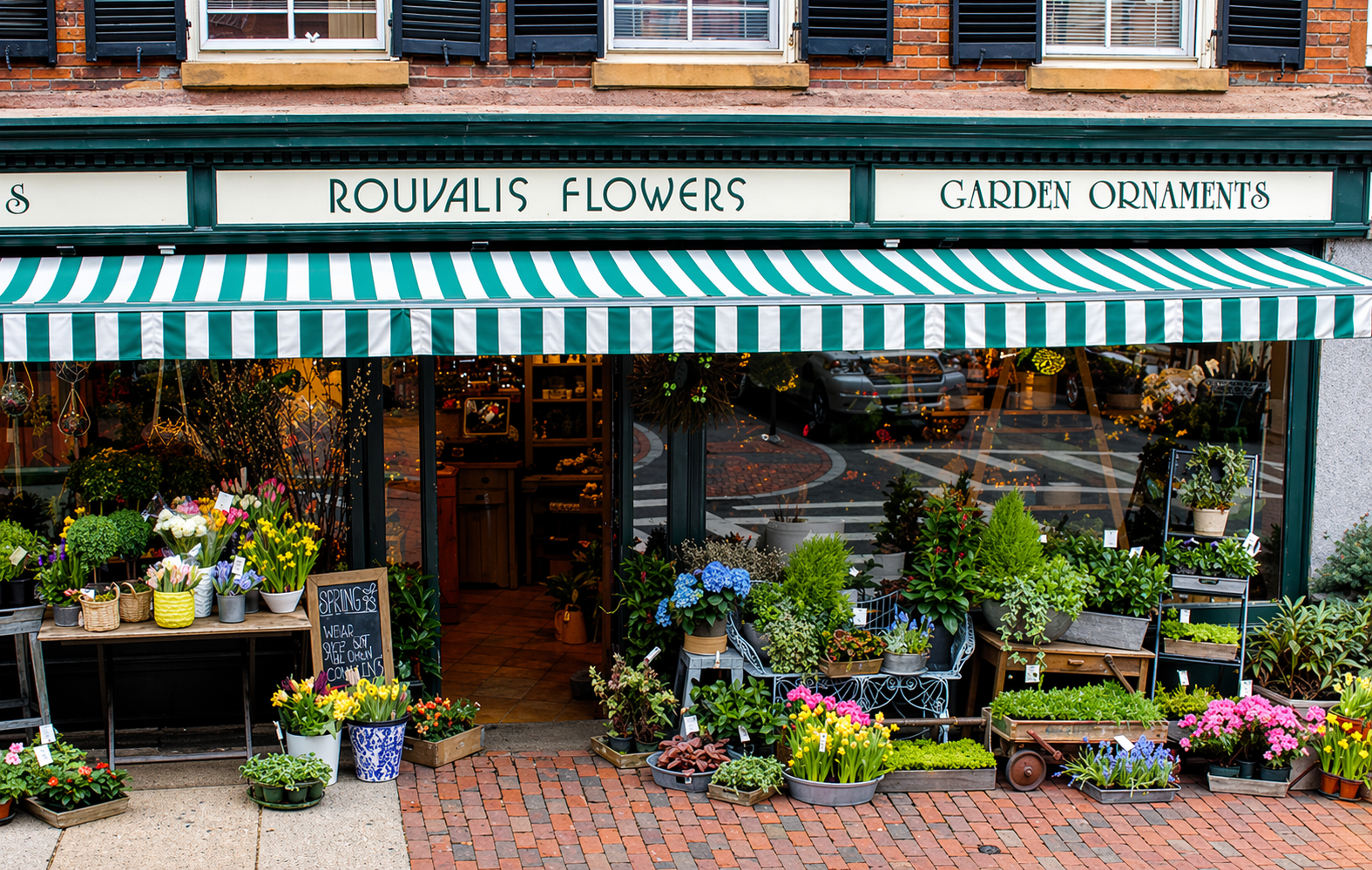
And if you’re looking to design something more ambitious, a complete backyard transformation, integrated hardscaping, or professional installation of raised beds and irrigation, that’s where expertise matters. Companies like Rouvalis Garden specialize in turning tight urban spaces into thriving gardens that reflect your neighborhood’s character while meeting your practical needs.
Your Charlestown garden is waiting. This is the year to start.
FAQs – (Frequently Asked Questions)
Q1: Can I start an urban garden if I rent?
Absolutely. Container gardens require no permanent changes, and most landlords are supportive. Start with herbs and leafy greens on a balconyzero commitment, maximum freshness.
Q2: How much sunlight do I need for productive urban garden design in Charlestown, MA?
Most vegetables want 6-8 hours of direct sun, but many herbs, leafy greens, and shade-tolerant plants thrive within 3-4 hours. North-facing walls work if you’re smart about plant selection.
Q3: What’s the cheapest way to start with landscape design Charlestown, MA?
Seeds cost pennies compared to plants, and container gardening requires minimal investment. Salvaged pots, upcycled lumber for raised beds, and free compost from community sources reduce costs dramatically.
Q4: Will my urban garden design attract pests or rodents?
Container gardens and vertical gardens significantly reduce pest pressure because they’re elevated and isolated. Proper garden hygiene removing dead plant material, avoiding food scraps keeps rodents away.
Q5: How do I maintain urban garden design if I travel for work?
Drip irrigation on timers, self-watering containers, and drought-tolerant native plants reduce maintenance. Many gardeners also trade plant-sitting duties with neighbors.